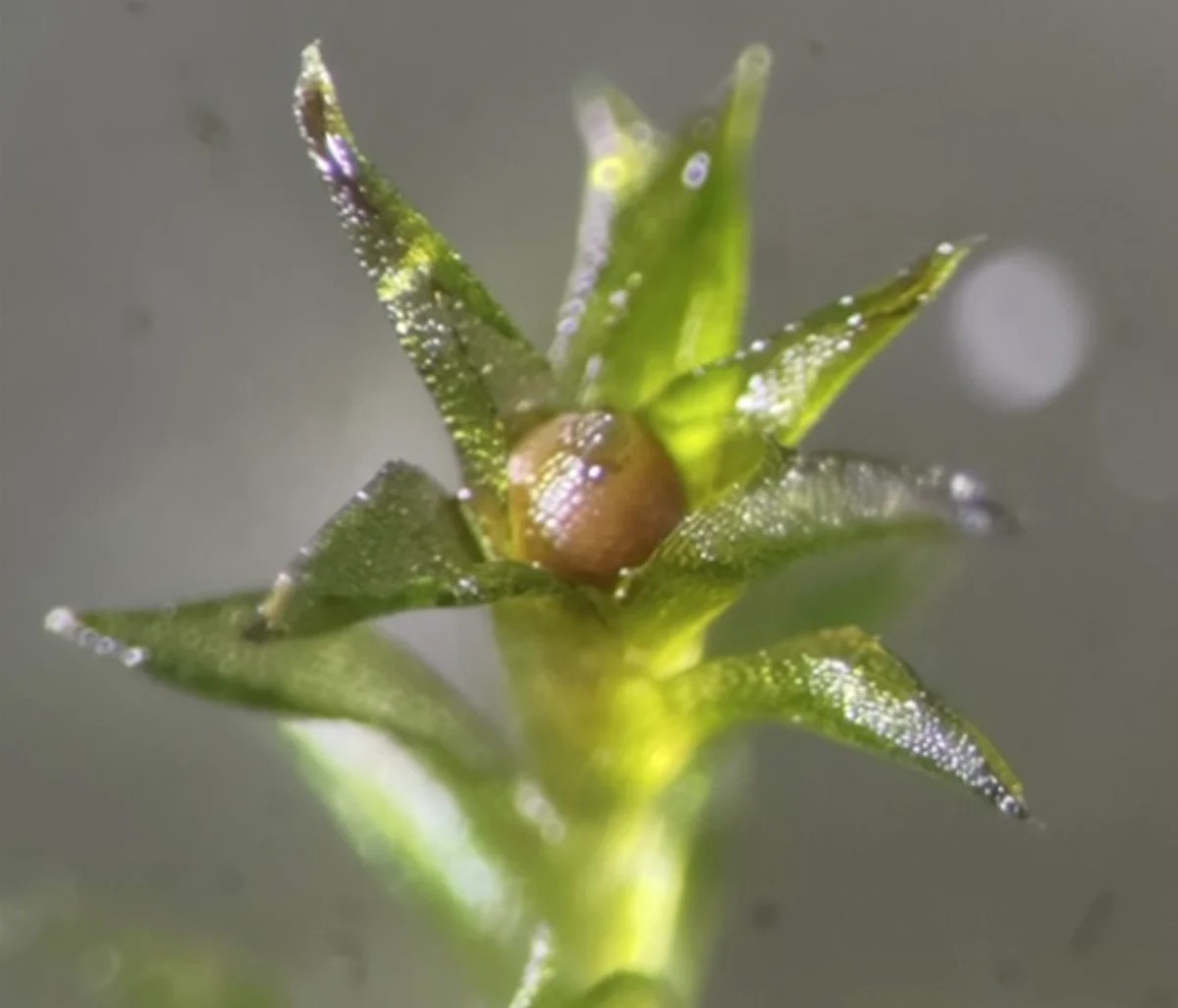
Recent research confirms that certain life forms, including a specific type of moss, can endure the harsh conditions of outer space. This discovery expands our understanding of life’s resilience and raises intriguing questions about the potential for sustaining life beyond Earth.
The Unexpected Resilience of Moss
Scientists at Hokkaido University in Japan, in collaboration with international colleagues, published findings in iScience detailing the survival of Physcomitrium patens moss in simulated and actual space environments. This moss, commonly found in temperate regions across Europe, North America, and East Asia, exhibits remarkable tolerance to extreme temperatures, UV radiation, and vacuum conditions – all of which pose significant threats to terrestrial life.
The study compared the resilience of three moss life stages: protonemata (juvenile stage), brood cells (stress-response cells), and reproductive spores. Spores consistently demonstrated the highest survival rate, exceeding expectations in both laboratory simulations and a real-world experiment aboard the International Space Station (ISS).
Space Survival Test: ISS Exposure
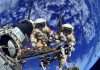
From March to December 2022, moss spores were placed on an external platform of the ISS, exposed to the full spectrum of space’s harsh conditions. Upon return to Earth, over 80% of the spores successfully germinated when cultivated in a petri dish, confirming their ability to withstand prolonged exposure to space.
While the germination rate was high, the study noted a slight delay in growth compared to Earth-based controls, suggesting that space conditions still impact biological processes. The underlying mechanism behind this survival remains unknown.
Why Does This Matter?
The ability of moss spores – and other organisms like tardigrades and certain flowering plants – to survive in space isn’t just a scientific curiosity. It challenges assumptions about the limits of life and provides insights into potential strategies for sustaining biological systems in extraterrestrial environments.
The researchers are now investigating the genetic factors contributing to this resilience, particularly the role of UV radiation resistance and DNA repair mechanisms. If we can understand how life adapts to these extremes, it could unlock possibilities for expanding human habitats beyond Earth.
The discovery reinforces that terrestrial life may not be bound to Earth, opening doors to future space exploration and potential colonization.