Population growth is simple enough to define: it is the increase in the number of people living in a specific area. But don’t let the simplicity fool you. The ripple effects of adding millions of people to a city or country are complex. Deep. Complicated.
This topic dominates global discussions for good reason. It touches everything from your local grocery store prices to national climate policies. We have broken down the drivers behind this surge and looked at both the benefits and the heavy costs.
Defining the Surge
At its core, population growth measures how a region’s human population expands over time. It is not just about babies being born. It involves people moving into an area. It involves people staying alive longer.
When we talk about population growth, we are talking about pressure. Pressure on resources. Pressure on infrastructure. Pressure on social systems.
The Drivers Behind the Numbers
Why is the population going up? It is not a single event. It is a combination of factors.
Higher birth rates in developing regions still play a major role. In some cultures, larger families are the norm. Access to education and contraception varies wildly across the globe. Where these services are lacking, families tend to be larger.
Lower death rates are another huge factor. Medical advances have extended life expectancy. People are living longer. This means the population accumulates faster, even if birth rates drop.
Migration also shifts numbers. People move from rural areas to cities. They move from poorer countries to wealthier ones. This redistributes the population, causing growth in some places and decline in others.
The Good, The Bad, and The Ugly
Is population growth inherently bad? No. It is not inherently good either. It is a force. Like any force, it depends on how you manage it.
The Positives
More people mean more workers. This can drive economic growth. A larger workforce means more consumers. More demand for goods and services. This stimulates business.
Innovation often comes from density. When smart people cluster together, they solve problems faster. More minds working on the same challenge. More diversity of thought.
The Negatives
Then there is the strain. More people need more food. More water. More energy. If resources are not managed well, scarcity sets in.
Housing becomes expensive. Cities swell beyond their capacity. Traffic jams. Pollution. Waste management becomes a nightmare.
Social services stretch thin. Schools are overcrowded. Hospitals are at capacity. The quality of life can drop if growth outpaces development.
Looking Ahead
Understanding population growth is not just about memorizing statistics. It is about understanding the future. How will your city handle ten million more people? How will your country fund schools for a growing youth population?
The answers are not simple. But they are necessary.
The Environmental Toll of Population Growth
The math is simple but brutal. When births outpace deaths, numbers climb. Take a region where 20 people are born for every 1,000 residents, but only 10 die. That is a net gain. The population swells by 10 per thousand. It sounds small. It adds up fast.
Over the last century, the world has seen roughly two billion more people arrive. That surge in birth rates has pushed population growth to the center of every major policy debate. We are not just talking about headlines. We are talking about the ground beneath our feet.
Rapid expansion eats resources. Fast. Forests fall. Water tables drop. The environment takes the first hit when numbers climb without a plan.
How Population Growth Affects Local Resources
This isn’t abstract theory. It happens in kitchens, farms, and cities.
When more people need food, water, and energy, the strain on natural resources becomes immediate. In some places, this pressure creates opportunities. A larger workforce can drive economic growth. Innovation spikes. But in resource-scarce regions, the opposite happens. The system buckles.
The social ripple effects are just as heavy.
* Unemployment rises as jobs can’t keep pace with new workers.
* Poverty mitigation programs strain under the weight of increased demand.
* Schools and hospitals face capacity limits that stretch services to the breaking point.
Education suffers first. You can’t teach everyone if the classrooms are full and the teachers are burned out. Healthcare follows closely behind. Wait times grow. Quality drops.
Where the Impact Hits Hardest
The consequences vary wildly by location. A country with abundant land and strong infrastructure might absorb the influx. They might even thrive. Another nation, already running on empty, faces a crisis.
The key difference lies in preparation. Those who plan for density fare better than those who ignore it. But ignoring it is easy until the taps run dry or the job market collapses.
We see this globally. Some regions turn growth into an engine. Others watch it stall their progress entirely. The difference is rarely about the people themselves. It is about the capacity to support them.
Why do some places adapt while others break? Look at the data on resource management and social safety nets. The answers are there. They are just hard to implement.
The cycle continues. More people. More demand. More pressure. The question isn’t if the strain will increase. It is how long we can delay the reckoning.
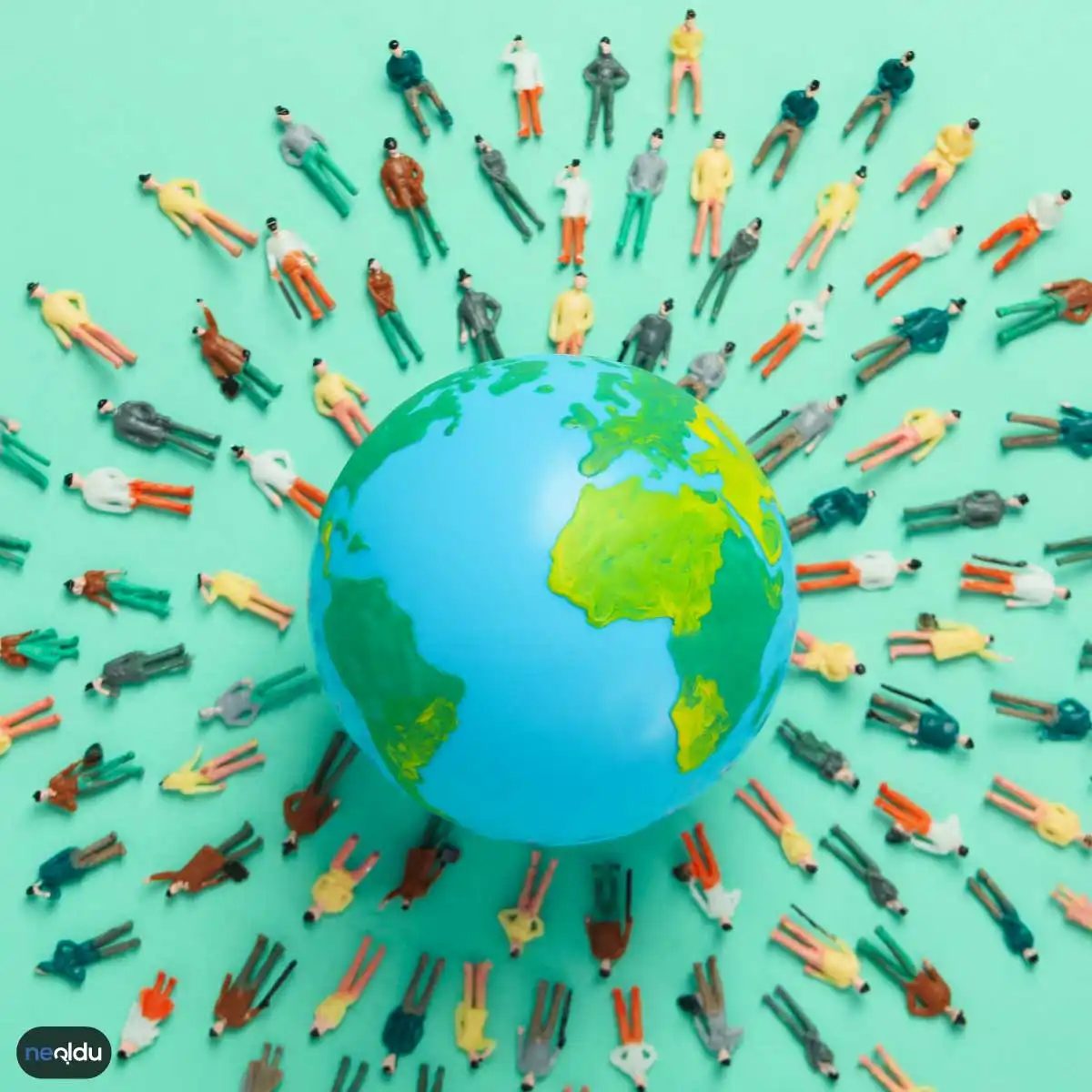
Su kaynakları tükeniyor. Ormanlar yok oluyor. Fosil yakıtlar bitiyor.
Bu sadece bir tahmin değil. Gerçek. Ve arkasında yatan ana etken açık: nüfus artışı çevre üzerindeki baskıyı artırıyor.
Dünya nüfusu hızla büyürken, doğanın geri kazanım kapasitesi geride kalıyor. Kaynaklar sınırlı. İhtiyaçlar ise sınırsız gibi.
Su Kıtlığı ve Nüfus Artışı Arasındaki İlişki
Su, hayatın kaynağıdır. Ama suyu tüketen sayı arttıkça, her damla daha değerli hale geliyor.
Nüfustaki artış, suya olan talebi doğrudan artırır. Daha fazla insan, daha fazla gıda, daha fazla temiz su demek. Sonuç? Su kaynaklarının hızla azalması.
Su kıtlığı, nüfus artışının en net ve tehlikeli etkilerinden biridir. Çölleşen topraklar, kuruyan nehirler… Bunlar sadece görsel birer tablo değil. Yaşam alanlarımızın daraldığı bir gerçek.
Ormanların Yıkılması: Yerleşim ve Tarım İçin
Neden ormanlar yok oluyor?
Cevap basit: Yere ihtiyacımız var.
Nüfus artışı, tarım arazisi ve konut ihtiyaçlarını tetikler. Ormanlar, bu genişleme sırasında en büyük kayıptır. Ağaçlar kesilir. Toprak düzleşir. Ekim yapılır veya bina temel atılır.
Ormanlar dünya ekosistemi için hayati. Karbonu emerler. Biyoçeşitliliği korurlar. Onların yok oluşu, çevre için ciddi bir tehdittir. Nüfus baskısı altında ormanlık alanlar erir gider.
Enerji Krizi ve Fosil Yakıtların Tüketimi
Her yeni insan, enerji tüketir.
Isınır. Işık yakar. Araba kullanır. Cihazlarını şarj eder.
Fosil yakıtlar, enerji kaynaklarının en önemlisi olmaya devam ediyor. Ancak nüfus artışı, enerji talebini gökyüzüne vuruyor. Petrol, kömür, gaz… Hepsi daha hızlı tükeniyor.
Bu durum, dünya enerji kaynakları üzerinde ciddi bir baskı oluşturuyor. Tükenme hızı, keşif ve üretim hızından öteye geçmiş durumda.
Sürdürülebilirlik Zorunluluğu
Bu noktada sadece şikayet etmek yetmez. Politika değiştirmek gerekir.
Nüfus artışı enerji kaynaklarının sürdürülebilir kullanılmasını zorunlu kılar. Çünkü mevcut model işlemiyor. Fosil yakıtlara bağımlılık, hem kaynak bitişini hem de çevre kirliliğini hızlandırıyor.
Yenilenebilir enerjiye geçiş, enerji verimliliği ve kaynak yönetimi artık bir tercih değil, bir hayatta kalma strate
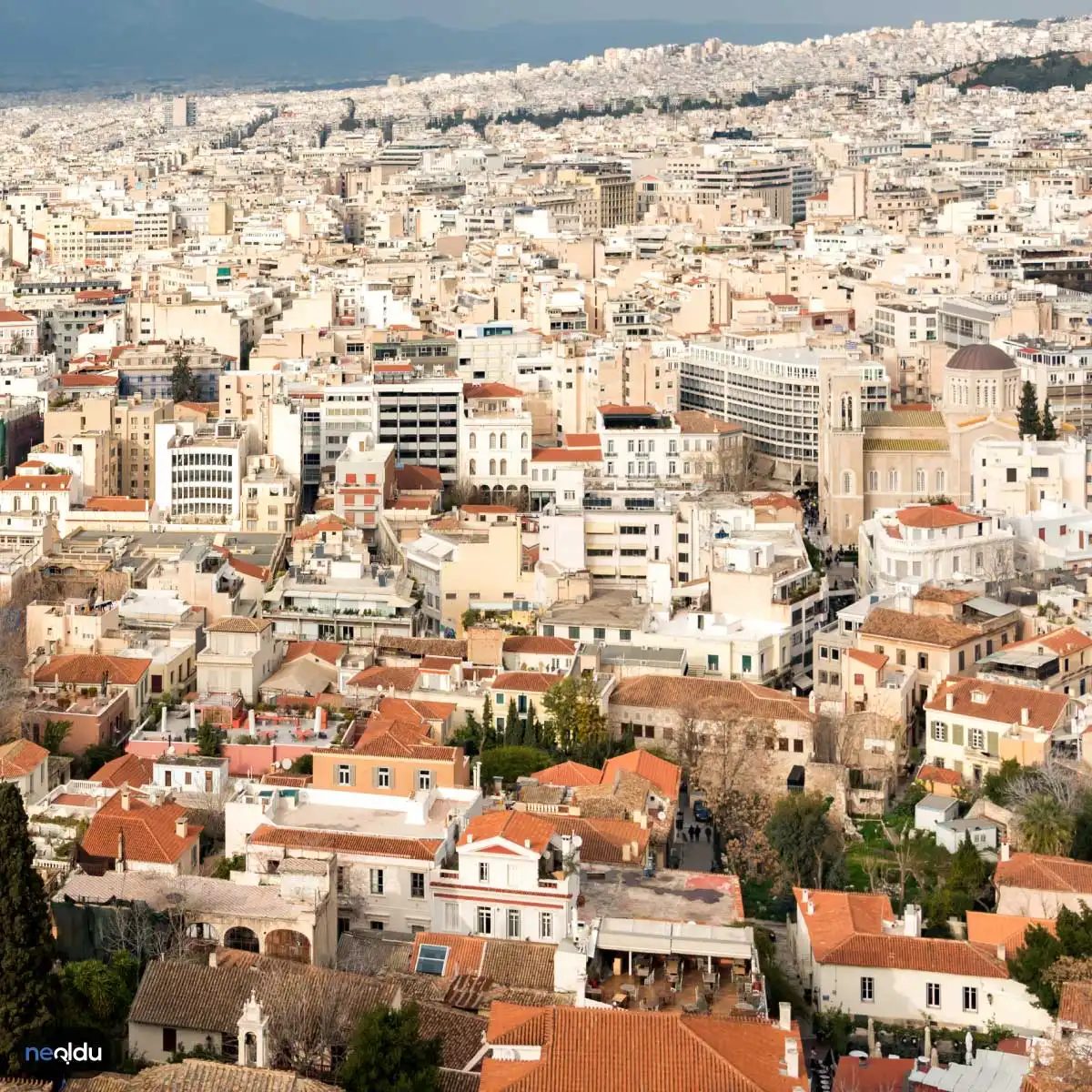
We looked at the bright side of rising numbers before. But let’s be honest. More people doesn’t automatically mean more prosperity. In fact, unchecked growth can strain a country’s resources until they snap. Here is what happens when the demographic curve spikes too high.
The Economic Squeeze
When you add bodies to a system faster than you add jobs or infrastructure, the math gets ugly.
- GDP per capita drops. The national pie gets bigger, sure. But everyone’s slice gets smaller. You work harder for less individual wealth.
- Jobs vanish. Finding employment becomes a nightmare. The labor market floods. Wages stagnate because there’s always another applicant willing to work for less.
- Consumption spikes. People need to eat. They need clothes. They need energy. Demand outstrips supply. Prices rise.
- Basic needs become luxury items. Food security erodes. Clean water becomes scarce. Survival takes precedence over quality of life.
- Development stalls. A country can’t build schools or hospitals if it’s just trying to keep the current population alive. Innovation slows down.
Environmental and Social Fallout
It’s not just about money. It’s about the ground you walk on and the air you breathe.
“When people move without planning, chaos follows.”
- Pollution explodes. Consciousness lags behind population. Waste management fails. Air quality plummets.
- Savings disappear. When you’re struggling to put food on the table, you don’t save. You survive. National capital accumulation grinds to a halt.
- Migration becomes inevitable. People leave. They head to cities or across borders. Brain drain accelerates.
- City services break. Water, electricity, and waste collection can’t keep up. Municipalities collapse under the weight of density.
- Exports shrink. If you’re producing everything just to feed your own people, you have nothing left to sell abroad. Trade balances worsen.
- Investment costs soar. Governments spend billions on basic needs rather than growth. Every new person requires a new school, a new road, a new power line.
- Housing crises hit. Shantytowns rise. Slums expand. Real estate prices become unaffordable for the average worker.
- Farmland is destroyed. Cities sprawl into fertile fields. Food production capacity decreases as land is paved over for concrete housing.
The Bottom Line
Growth sounds good on paper. In reality, it requires management. Without it, you get congestion, poverty, and decay.
Countries know this. That’s why they take steps. Some try to limit family sizes. Others try to control migration.
Turkey tried “Family Planning” in the past. It wasn’t just about population control for the sake of control. It was economic survival. The goal was to stabilize growth so the economy wouldn’t collapse under its own weight.
The Upside of Having More People
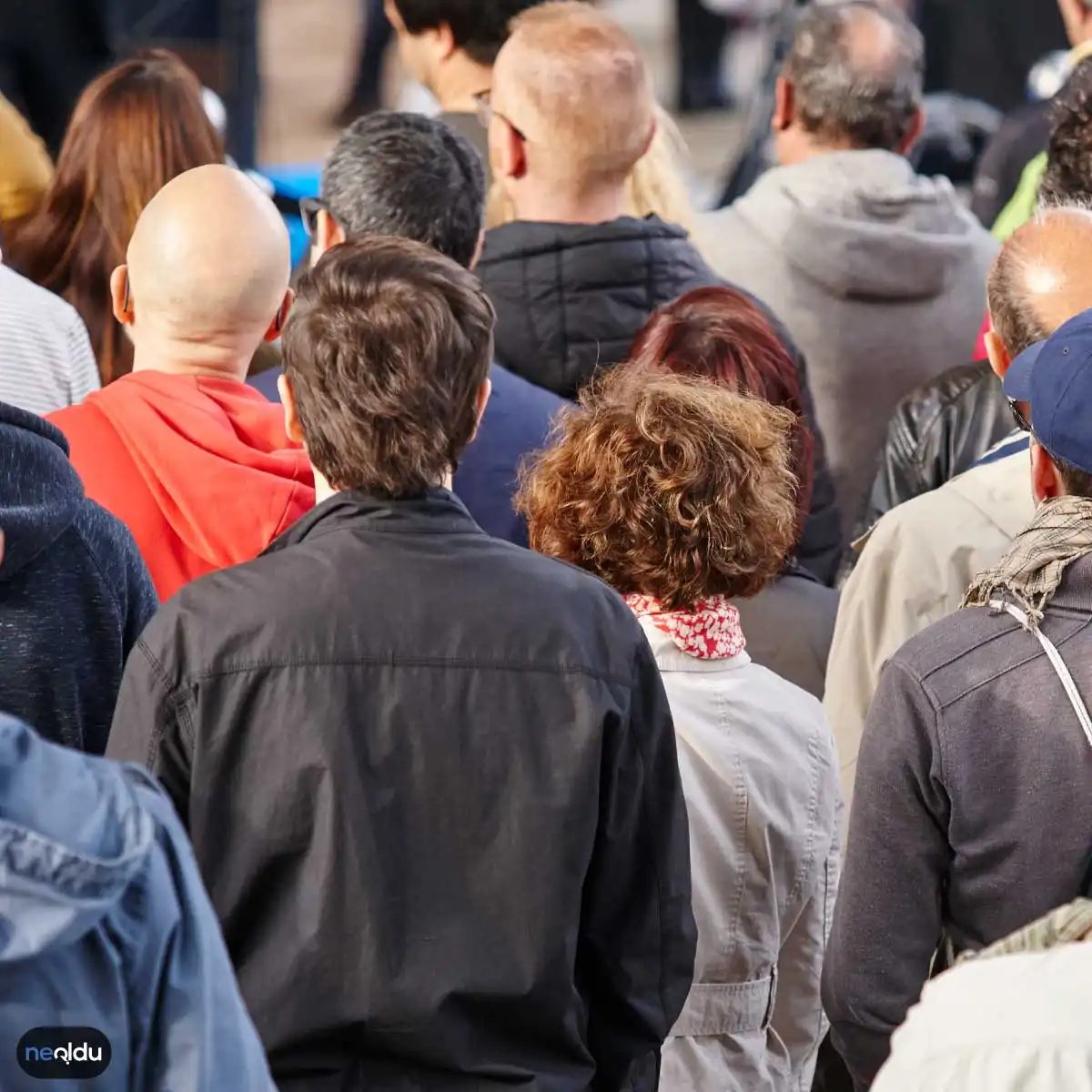
Ekonomik büyüme tetiği
Daha fazla insan demektir. Bu basit formül, üretim ve hizmet sektörleri için talebi aniden yükseltir. Talebin artması, ekonomik büyümeyi doğrudan teşvik eden bir dinamo görevi görür. Piyasalar daha hareketli hale gelir. Döngü dönmeye devam eder.
İnovasyon ve teknolojik gelişim
Kalabalık bir ortam, yeni fikirlerin ortaya çıkmasına zemin hazırlar. İnsanlar bir araya geldiğinde fikir alışverişi hızlanır. Bu da teknolojik gelişimi hızlandırır. Yeni iş fırsatları doğar. Daha fazla beyin daha fazla çözüm üretir.
İşgücü piyasası ve istihdam
Nüfus artışı, iş gücüne olan talebi artırır. Daha fazla işçi demek, işsizlik oranlarını düşürebilir. Bu durum, bireylerin gelir düzeylerini yükseltmeye yardımcı olur. Para daha geniş kitlelere ulaşır. Alım gücü artar.
Kültürel zenginlik ve çeşitlilik
Daha fazla insan, daha fazla kültür anlamına gelir. Farklı etnik gruplar, diller ve gelenekler bir arada yaşar. Bu durum, insanların birbirleriyle etkileşimde bulunma ve birbirlerini daha iyi anlama şansı yaratır. Toplumsal dokusu zenginleşir.
Yaşlı nüfusa destek
Sosyal güvenlik sistemleri, yaşlı nüfusun artmasıyla ciddi bir tehdit altında kalabilir. Burada nüfus artışı kurtarıcı olabilir. Çalışma yaşındaki insanların sayısı arttıkça, yaşlı nüfusa bakım için gerekli kaynaklar sağlanabilir. Denge kurulur.
Sosyal gelişme ve hizmetler
İnsan sayısı arttıkça, eğitim ve sağlık hizmetlerine olan talep da artar. Bu talep, sosyal gelişmeyi teşvik eder. Daha iyi hizmetler, daha yüksek yaşam kalitesi demektir. Altyapı güçlenir.
İLGİNİZİ ÇEKEBİLİR
* Ekosistem Nedir?
* Küresel Isınma Nedir?
Nüfus artışının etkileri nelerdir?
Nüfus artışı sadece pozitif yönlerle sınırlı değildir. Doğal kaynakların tükenmesi, gıda ve su kaynaklarına olan talebin artması, çevre kirliliği ve iklim değişikliği gibi olumsuz etkilere de neden olabilir. Ayrıca, ekonomik büyümeyi artırabilir veya azaltabilir. Sosyal yapıyı kökten değiştirebilir. Dengeli bir bakış açısı şarttır.
Nüfus artışı, çevre üzerinde ne gibi etkilere sahiptir?
Daha fazla insan, daha fazla su, enerji, gıda ve diğer kaynaklara ihtiyaç duyar. Bu durum, doğal kaynakların tükenmesine yol açabilir. Çevre kirliliğini artırabilir. Baskı artar.
Nüfus artışı, ekonomik büyümeyi nasıl etkiler?
İş gücündeki artış, ekonomik büyümeyi artırabilir. Ancak, nüfusun yaşlanması, ekonomik büyümeyi azaltabilir. Ayrıca, tüketicilerin talep ettiği mal ve hizmetlerin miktarını artırarak, ekonomik büyümeyi de etkileyebilir. Karmaşık bir ilişki.
Nüfus artışı, gıda kaynaklarına olan talebi nasıl etkiler?
Daha fazla insan, daha fazla gıdaya ihtiyaç duyar. Bu durum, gıda kaynaklarının tükenmesine neden olabilir. Gıda fiyatlarının yükselmesine yol açabilir. Stres artar.
Nüfus artışı, sağlık hizmetleri üzerinde nasıl bir etkiye sahiptir?
Daha fazla insan, daha fazla sağlık hizmetine ihtiyaç duyar. Talebin artması, sağlık hizmetlerinin kalitesine olan talebi de artırır. Sistem üzerinde baskı yaratır.