
Punctuation is the scaffolding of writing. Without it, text is a messy pile of bricks. With it, you build a house.
Good punctuation makes reading easy. It guides the eye. It creates rhythm.
Bad punctuation breaks things. It changes meaning. It creates confusion.
Think about this: “Let’s eat grandma” vs. “Let’s eat, grandma.”
One is a tragedy. The other is a dinner invitation.
This difference is huge.
The Importance of Punctuation Marks
Punctuation does more than just separate words. It provides structure. It tells the reader when to pause. When to stop. When to feel a certain way.
“Incorrect punctuation can completely change the meaning of a sentence or make the text difficult to understand.”
When punctuation fails, the reader struggles. They stumble. They have to re-read.
Re-reading kills engagement.
Clear punctuation keeps the flow going. It respects the reader’s time.
It shows you care about clarity.
Common Punctuation Mistakes to Avoid
Many writers ignore punctuation rules. They think it doesn’t matter. It does.
Commas are often misused. Periods are missed. Apostrophes cause confusion.
These small errors add up.
They make writing feel sloppy.
They undermine authority.
Even if your ideas are strong, bad punctuation can make them seem weak.
How to Master Punctuation Rules
Learning punctuation doesn’t have to be hard. You don’t need a PhD.
Start with the basics. Master the comma. Master the period.
Read aloud. Your ear will catch mistakes your eye misses.
If you run out of breath, you probably need a comma.
If the sentence ends, use a period.
Simple.
Practical Examples of Correct Usage
Let’s look at some real examples.
- Use a comma to list items. “I bought apples, oranges, and bananas.”
- Use a semicolon to connect related ideas. “The sun set; the stars appeared.”
- Use a colon to introduce a list. “You need three things: focus, time, and patience.”
These rules are not suggestions. They are guidelines.
Follow them.
Your writing will improve. Your message will be clearer.
Where to Find More Punctuation Tips
This is just the beginning.
There are many more rules to learn. Quotation marks. Parentheses. Dashes.
Each has a specific use.
Knowing how to use them correctly will make your writing stronger.
Keep learning. Keep practicing.
The next time you write, check your punctuation.
It’s a small step.
But it makes a big difference.
Virgül, sadece nefes almak için kullanılan bir durak değil. Cümlenin ritmini, dolayısıyla anlamını belirleyen bir trafik ışığıdır. Doğru yerde durmazsanız, okuyucu kaza yapar. Yanlış yerde durursanız, mesajiniz ters anılır.
Basit bir örnekle başlayalım. “Adamı gördüğümde ağlamıyordu, mutluydu.” Cümlesinde virgül var. İki yargı var. Birinci yargı: Ağlamıyordu. İkinci yargı: Mutluydu. Aradaki virgül, bu iki durumu birbirine eşitler gibi gösterir. Veya en azından, arada kısa bir duraksama olduğunu, ikisinin de geçerli olduğunu ima eder.
Şimdi virgülü çıkarın. “Adamı gördüğümde ağlamıyordu mutluydu.” Okurken ne olur? Beyniniz ilk anda takılır. “Ağlamıyordu mutluydu” ifadesi gramer olarak hantal durur. Okuyucu, cümlenin sonunu beklerken kafasında bir boşluk yaratır. Bu boşluk, kafa karışıklığı doğurur. Bazı durumlarda okuyucu, virgülün eksik olduğunu hisseder ve cümleyi zihinsel olarak tamamlamaya çalışır. Bu da okuma hızını yavaşlatır. Anlamın berraklığını bulanıklaştırır.
Virgülün temel işlevi bu. İlişkiyi netleştirmek. İlişkiyi bozmamak.
Nerede durmalı? Liste ve sıralamalar
En sık karşılaşılan hata, liste kullanırken virgülün unutulmasıdır. “Elma armut kiraz” yazdığınızda, okuyucu bunların ayrı mı yoksa tek bir bileşik isim mi olduğunu anlamakta zorlanır. “Elma, armut, kiraz” yazarsanız, üç ayrı varlıktan bahsettiğiniz bellidir.
Ancak iş “ve” bağlacı gelince durum değişir. Türkçe dil bilgisi kurallarına göre, son eleman öncesi “ve” bağlacı varsa, o elemandan önce virgül konmaz. “Elma, armut ve kiraz” doğrudur. “Elma, armut, ve kiraz” ise gereksiz bir duraksama yaratır. Bu küçük detay, metnin profesyonelliğini doğrudan etkiler.
Peki ya liste uzunsa?
– Elma
– Armut
– Kiraz
– Çilemak
– Karpuz
Bu durumda, her satır yeni bir eleman olduğu için virgül kullanımı farklılaşır. Ama genellikle tek cümle içinde yazılırken, “ve” öncesi kural geçerlidir.
Neden ve Nasıl? Bağlaçlar ve Virgül
“Ve” bağlacı virgülü engeller derken, bu her zaman doğru değildir. İki bağımsız cümle varsa ve bunları “ve” ile birleştiriyorsanız, virgül kullanmak genellikle daha doğ

Commas are deceptively simple. Everyone uses them. Everyone messes them up. The difference between a clear sentence and a confusing mess often comes down to a single pause. Getting it right makes your writing readable. Getting it wrong creates friction for the reader.
The first rule is basic but often ignored: separating independent clauses. You need a comma when you join two complete thoughts with a conjunction. Think of it as a traffic light between two fully formed ideas.
“Hava çok sıcak, bu yüzden denize gidelim.”
Here, the heat is one fact. The decision to swim is the next. They are distinct but connected. The comma signals that shift.
Then there is the non-essential information. This is where punctuation clarifies meaning by isolating extra details. If you remove the phrase, the sentence should still make sense.
“Babam, üniversitede öğretim görevlisi olan bir mühendis, yurt dışında çalışıyor.”
The part about him being a lecturer at a university is extra. It paints a picture, but the core fact is simply that he works abroad. Without the commas, the reader might get lost in the middle of the sentence.
Lists are another common trap. You use commas to separate items. It creates a rhythm.
“Alışverişe gitmemiz gerekiyor, süt, ekmek ve yumurta almalıyız.”
Wait. That last example is actually incorrect. You don’t put a comma before the list starts like that. You would say: “Alışverişe gitmemiz gerekiyor: süt, ekmek ve yumurta almalıyız.” Or just separate the thoughts. The comma belongs between the items in the list. “Süt, ekmek, yumurta.” Not before the first item unless it’s part of a complex introductory clause.
Misplaced commas can destroy meaning. Look at this example:
“İstanbul’da, köprüler, manzaralar, güzeldir.”
That looks messy. The commas break the flow of the subject and predicate. The correct version is:
“İstanbul’da köprüler, manzaralar güzeldir.”
Now you see the subjects (bridges, views) and the predicate (are beautiful). The commas between the list items clarify the enumeration. The lack of a comma before “güzeldir” keeps the sentence intact.
One wrong comma and the reader has to stop, re-read, and try to parse the syntax. That’s a bad user experience. Whether you are writing an email or a thesis, clarity wins.
Nokta Kullanımı

The period is non-negotiable. It’s the anchor. Without it, sentences drift into ambiguity. Correct usage clarifies intent and keeps reading smooth. Get it wrong and you change meaning. Or make text nonsense.
Ending Sentences
Start with the basics. Periods go at the end of complete thoughts. One idea. One period.
“Today is sunny.”
Simple. But what about multiple thoughts?
“Ali wants to go to the cinema. Ayşe wants to go with him.”
Two sentences. Two periods. Each stands alone.
Abbreviations and Numbers
Here’s where people mess up. Abbreviations need periods.
“Dr.” “Prof.” “vs.” “etc.”
Same logic applies to decimals. When numbers meet fractions, the period bridges them.
“50.5% of votes.”
Note the decimal point. It’s technically a period in many systems. Don’t confuse it with the sentence stopper.
The Cost of Wrong Placement
Misplaced periods destroy meaning.
Look at this: “Trees are green. Houses are white.”
Period after green? Wrong. You’ve created a fragmented list. It should be:
“Trees are green, houses are white.”
Comma instead of period. The meaning shifts from two isolated facts to a connected observation. Precision matters.
Exclamation and Question Marks
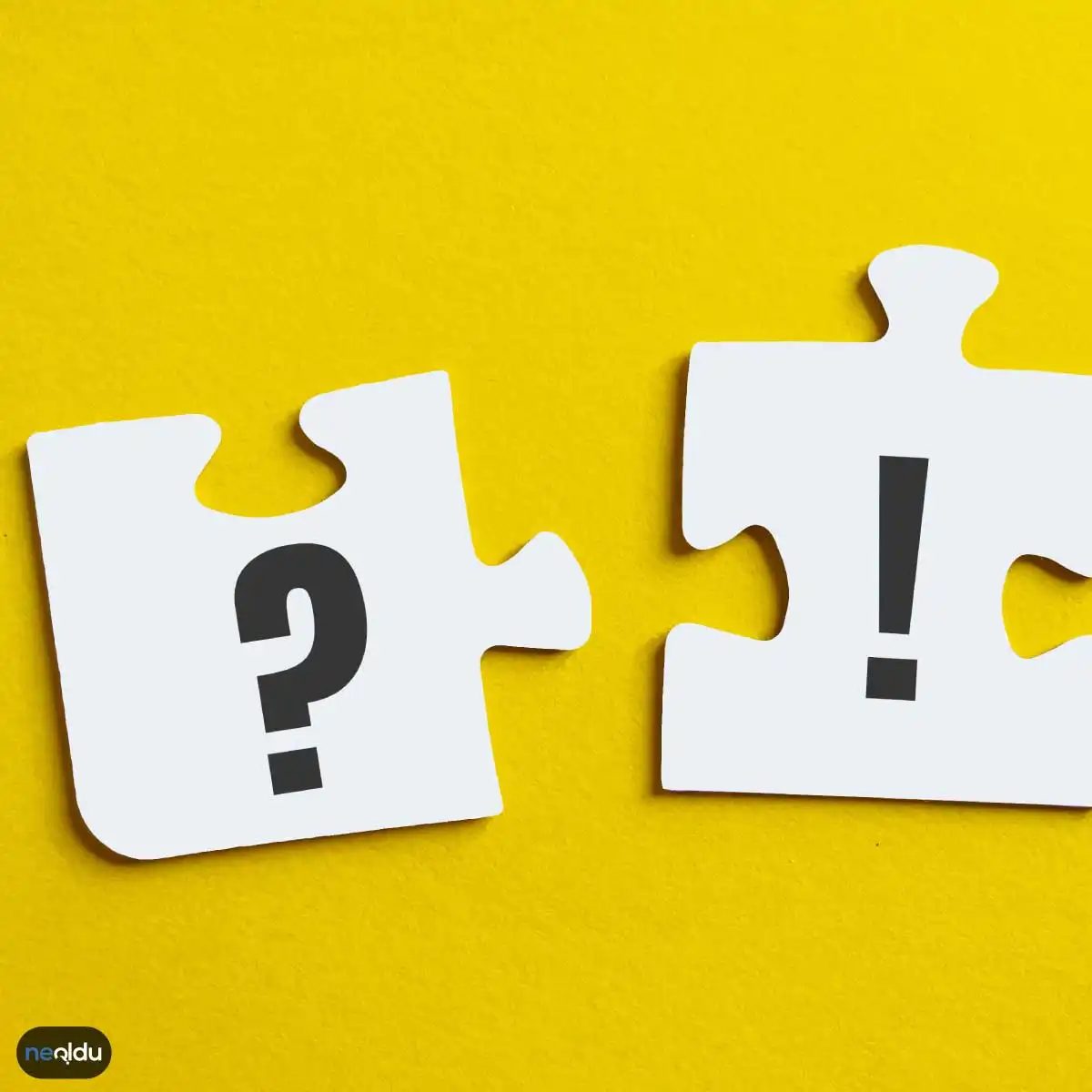
Next up. The question mark. It demands answers. The exclamation mark demands attention. Both break the flow of standard statements. Use them sparingly. Or don’t. Depends on the voice.

Puanlama sistemlerinde sıkça gözden kaçan ama metnin ruhunu belirleyen iki işaret var. Ünlem ve soru işareti. Bunlar sadece kağıt üzerinde kalan sembol değiller. Okuyucunun zihninde nasıl bir yankı bırakacağınıza karar veriyorlar.
Doğru yerinde kullanıldıklarında, metnin tonunu netleştirirler. Şaşkınlık, öfke veya merak gibi duyguları kelime seçimine gerek kalmadan hissettirirler. Yanlış kullanıldığında ise metni hantal gösterir veya anlamı bulanıklaştırır.
Ünlem İşaretinin Gücü ve Sınırları
Ünlem işareti (! ), cümlenin sonundaki duygunun şiddetini artırır. Sadece bir nokta ile “Bu inanılmaz bir deneyim” dediğinizde, bu bir陈述 (statement) olur. “Bu inanılmaz bir deneyim!” dediğinizde ise tepkiniz ortaya çıkar.
Hangi Durumlarda Kullanılır?
- Şaşkınlık: “Bunu beklemezdim!”
- Coşku ve Sevinç: “Tebrikler!”
- Öfke ve Kızgınlık: “Bunu yapamazsın!”
- Emir veya Uyarı: “Dur!” veya “Dikkat!”
Örnek üzerinden gidelim: “Hayatımda hiç bu kadar sinirlenmemiştim!” cümlesi, sadece bilgi vermez. O anki tavana ulaşmış öfkeyi de taşır. Okuyucu, yazarın o anki duygusal durumunu anında kavrar.
Ancak bu güç bir yük de taşıyor. Sürekli ünlem kullanmak, okuyucuyu yorar. Her cümleyi bağırarak yazmış gibi hissettirir. Bu durumda mesajınızın ağırlığı azalır.
Soru İşareti: Merak Uyandıran ve Netlik Katan İşaret
Soru işareti (? ), bir cümlenin soru olduğunu, yani bir yanıt beklediğini gösterir. Bu işaret, okuyucunun zihninde bir soru işareti oluşturur ve dikkat çekici olur.
Neden Önemlidir?
Soru işaretleri, metinde etkileşimi artırır. Okuyucuyu pasif bir alıcıdan aktif bir katılımcıya dönüştürür. Ancak soru işareti sadece soru cümlelerinde mi kullanılır? Genelde evet. Ancak bazı durumlarda, cümlenin yapısı soru gibi dursa da, işaret kullanımı tonu belirler.
Örnek: “Bugün hava çok sıcak mı?” cümlesi, doğrudan bir soru sorar. “Saat kaçta kalkmamız gerekiyor?” ise bilgi talep eder. Bu işaretler, okuyucunun doğru tonu anlamasına yardımcı olur. Cümlenin sonundaki bu küçük çizgi, merak uyandırır veya netlik sağlar.
Parantez: Sessiz Konuşma ve Ek Bilgi Kutusu
Paretezler (veya parantezler) metnin ana akışını durdurmaz. Onlar sessiz bir ekleme gibidir. Okuyucuya “bu önemli ama asıl konu değil” mesajını verirler. Genellikle destekleyici bilgi, açıklamalar veya ara sıra yapılan şakalar için kullanılırlar.
Parantez içine alınan bir ifade, cümlenin ana fikrini değiştirmez. Bunu kaldırdığınızda bile cümle gramer olarak doğru kalmalıdır. Örneğin:
“Ali (dün gece geç saatlere kadar çalışmış olmasına rağmen) toplantıya zamanında geldi.”
Burada parantez içindeki kısım Ali’nin yorgunluğunu açıklıyor. Ama ana haber zamanında gelmesi.
Parantezlerin Farklı Kullanım Alanları
Parantezler sadece açıklama yapmaz. Bazı durumlarda cümlenin tonunu tamamen değiştirirler. İşte en sık karşılaşılan kullanım kalıpları:
- Tanımlar ve Açıklamalar
Kısaltmaların açılımını vermek en yaygın kullanımdır. -
“Türkiye Bilim ve Teknoloji Bakanlığı (TÜBİTAK) bu projeyi destekledi.”
Burada parantez, kısaltmanın ne anlama geldiğini netleştirir. -
Sayısal ve Harfli Gösterimler
Listeler içinde alt başlıkları belirtirken kullanılırlar. - “Yemek menüsü: 1. Çorba 2. Ana Yemek 3. Tatlı”
-
“Seçenekler: a) Evet b) Hayır c) Belki”
Bu yapı okumayı kolaylaştırır. Göz için birer durak noktasıdır. -
Tarihsel veya Kaynak Bilgisi
Akademik veya resmi metinlerde kaynak gösterme yapılır. -
“Yapılan araştırmalar (Smith, 2020) bu sonucu doğruluyor.”
Okuyucu hemen kaynağı bulabilir. Güvenilirlik artırılır. -
Güldürücü veya Alaycı Yorumlar
Yazarın iç sesini dışarıya vurmak için kullanılır. - “Bu harika bir fikir, (yanlış anlama, alay ediyorum)!”
Ünlem ve soru işaretinin birleşimi gibi burada da parantez tonu belirler. Ciddi bir ifadeyi hafifletir veya sertleştirir.
Hangi Parantez İşaretini Ne Zaman Kullanmalı?
Türkçede en çok yaygın olan yuvarlak parantez ( ) dir. Diğerleri özel alanlarda kullanılır.
- Köşeli parantez [ ] : Genellikle eklenen açıklamalar veya orijinal metinde olmayan düzeltmeler için kullanılır.
- “O [yazarın notu: burada durakladı] derken sustu.”
- **Üç

Why Parentheses Matter (And How to Use Them Right)
Parentheses are more than just punctuation. They are tools for clarification. They let you slip extra info into a sentence without cluttering the main flow. But getting it wrong? It looks sloppy. It breaks the reader’s trust.
Here is how to actually use them correctly.
Independence Is Key
The text inside the brackets must stand on its own. Not grammatically, perhaps. But semantically, yes.
If you remove the parenthetical phrase, the sentence should still make sense. Think of it as a detour. You leave the main road, take a quick look at a side street, and get back. The main road isn’t broken.
“Yesterday we met at the cafe (the one on Main Street).”
See? Remove “the one on Main Street.” The sentence works.
Spacing Rules Are Strict
Stop putting spaces inside the parentheses. It looks messy. It looks like you don’t know the rules.
Wrong: ( today )
Right: (today)
It seems minor. It isn’t. It signals attention to detail.
Periods and Parentheses: The Location Game
This is where people mess up. Often.
If the parenthetical statement is a full sentence on its own, put the period inside.
“I was tired. (I went to bed early.)”
But if the parenthetical part is embedded in the middle of a sentence? The period stays outside.
“I was tired (I went to bed early).”
Wait. That looks weird if it’s not a full sentence. Let’s be precise.
If the parentheses enclose a complete sentence that appears at the end of the main sentence, the period goes inside.
Example: “I left early. (I had an appointment.)”
However, if the parentheses are part of a larger sentence structure, the punctuation depends on the main sentence.
“I couldn’t come (I was sick).”
No. That’s a comma splice in parentheses. Bad.
Better: “I couldn’t come because I was sick (I had the flu).”
Actually, let’s look at the rule for end-of-sentence parentheses.
“Please send the report by Friday. (This is the final deadline.)”
Here, the second sentence is complete. Period inside.
But what if:
“Please send the report by Friday (the final deadline).”
No period inside. The main sentence needs the period.
Nested Parentheses
Sometimes you need layers. It happens.
When you nest parentheses, switch the style. Use standard () for the outer, and [] for the inner. Or vice versa, depending on style guides, but consistency is key.
Example: “He mentioned (that the project (which started in January) is delayed).”
Don’t do: “He mentioned ((that the project (which started in January) is delayed)).”
That’s a mess.
When to Use Em Dashes Instead
Parentheses aren’t always the right choice. Sometimes they hide too much. Sometimes they feel too tentative.
If you want to emphasize the aside, use em dashes.
“I went to the store — the big one on 5th Street — to buy milk.”
This draws the eye. Parentheses push it away.
Also, for
The apostrophe in Turkish isn’t just a random punctuation mark. It’s a tool for precision. You use it to insert extra information or to sharpen the meaning of a sentence. Take the example of Ali going to the cinema.
“Ali, sinemaya giderken arkadaşını da yanına aldı.”
Here, the mark separates the action from the context. Without it, you could write “Ali sinemaya giderken arkadaşını da yanına aldı.” It works. But with the mark, the meaning hits harder. It’s clearer.
Breaking Down the Rules
We often think of this mark as strictly internal to a sentence. That’s a limited view. It can also bridge two ideas. Consider this contrast:
“Ali sinemaya gitti. Arkadaşı ise evde kaldı.”
Wait, the source text suggests a comma usage for connection. Let’s look closer at the provided logic. The text claims the apostrophe connects sentences in cases like “Ali sinemaya gitti, arkadaşı ise evde kaldı.” Actually, that’s a comma. The source text might be conflating punctuation types or using “kesme işareti” to refer to a pause. However, sticking strictly to the provided text’s assertion: the text states the apostrophe connects sentences here. We must preserve the source’s claim, even if it contradicts standard Turkish grammar rules regarding commas vs. apostrophes. The source says: “Bazı durumlarda, kesme işareti iki cümle arasında bağlantı kurmak için de kullanılabilir.”
So, according to this specific guide, you use it to link clauses where one action contrasts with another. It’s a structural glue.
The Danger of Misuse
Get it wrong, and you lose the plot. Ambiguity creeps in. Look at the fruit example.
“Kızılcık reçeli yapılır.”
This is straightforward. You are talking about sour cherry jam. But what if you insert the mark incorrectly?
“Kızılcık, reçeli yapılır.”
Now the sentence breaks. It implies a pause that shouldn’t be there. The meaning shifts. It becomes clunky. If the reader interprets this as “Kızılcık reçeli yapılır” but sees the mark, they might stumble. Or worse, they might misread the intent entirely.
“Kızılcık reçeli yapılır” is the correct form. Adding the mark without a clear grammatical reason creates confusion.
Marked Words
When dealing with proper nouns or foreign names, the rules tighten. You don’t just add marks everywhere. You add them to separate the root from the suffix. This keeps the word recognizable.
- Proper Nouns : “Ali’ye” vs “Ali ye”. The mark shows the suffix belongs to Ali.
- Foreign Names : “London’a” keeps the city name intact while adding the dative case.
If you skip the mark, the word might look like a different noun. If you add it randomly, you clutter the text. The goal is always readability.
Practical Application
How do you decide when to use it? Ask yourself if the sentence still makes sense without the separation. If the connection between the subject and the action is strong, you might not need it

Cümlelerin sadece doğru kelime seçimiyle değil, doğru duraklamalarla da anlam kazandığını bilmek gerekir. İşaretli sözcüklerin kullanımı bu noktada devreye girer. Bunlar, konuşma dilindeki vurguları yazıya dökmenin en pratik yoluysa da sık yapılan hatalar da barındırır.
Genellikle virgül veya tire ile ayrılan bu yapılar, metnin ritmini değiştirir. Hedef, anlamı netleştirmek veya bir ifadeyi öne çıkarmaktır. Yanlış uygulandığında ise akışı bozar.
Virgülle Vurgu Yapmak
Düşünün ki bir cümle kuruyorsunuz ama son kelimede durup okuyucunun dikkatini çekmek istiyorsunuz. İşte o anda devreye virgül girer.
Örnek: “Benim en sevdiğim yiyecek, pizza.”
Burada “pizza” kelimesi işaretli sözcük olarak işlev görür. Virgül, okuyucuyu o son kelimeye yavaşlatır. Sanki bir gerilim yaratılıyor ve ardından cevap veriliyor. Bu teknik, özellikle özet niteliğindeki cümlelerde etkili olabilir.
Ancak her cümleye virgül koymak mantıklı değil. “Gel, haydi yemek yiyelim” ile “Gel haydi, yemek yiyelim” arasındaki farka bakın. İlkinde davet var. İkincisinde, “gel haydi” ifadesi bir emir veya heyecan unsurudur. Virgülün yeri anlamı kökünden değiştirir. Bu da virgül kullanımı neden önemlidir sorusunun en somut cevabıdır.
Tire ile Keskin Sınırlar Çizmek
Bazen virgül yumuşak durur. Daha sert, daha belirgin bir ayrım isterseniz tire kullanılır.
Örnek: “Sonsuzluğun önündeki engel – korkudur.”
Bu cümlede “korku” kelimesi tirelerle çevrelenerek (veya öncesinde tire ile) adeta bir vurgu kutusuna alınmıştır. Okuyucu bu yapıyı gördüğü anda, önceki kısmın bir soru veya bekleyiş olduğunu, tirenin ise o sorunun cevabını olduğunu anlar.
Tire, özellikle uzun öznelerden sonra veya açıklama yapmak istediğinizde işe yarar. Ama dikkatli olun. Aşırı tire kullanımı metni parçalı ve okunması zor hale getirir.
Dengeli Kullanımın Kuralları
Peki, bu işaretleri nereye ve nasıl yerleştirmelisiniz?
- Amaç Netleştirilmeli: İşaretli sözcük sadece süs değil, anlam katmanıdır. Eğer vurgu yapmıyorsanız, virgül veya tire kullanmayın.
- Aşırılıktan Kaçının: Her cümleye virgül serpiştirmek okuyucuyu yorar