



Питер Цоллер сравнивает гонку за первым промышленным квантовым компьютером с современным восхождением на Эверест. Это одержимость. Поистине пугающая. Когда вы поднимаетесь вверх, вы видите лишь того, кто идет впереди вас. А достигнув вершины? Вы задаетесь вопросом, зачем вообще это было нужно.
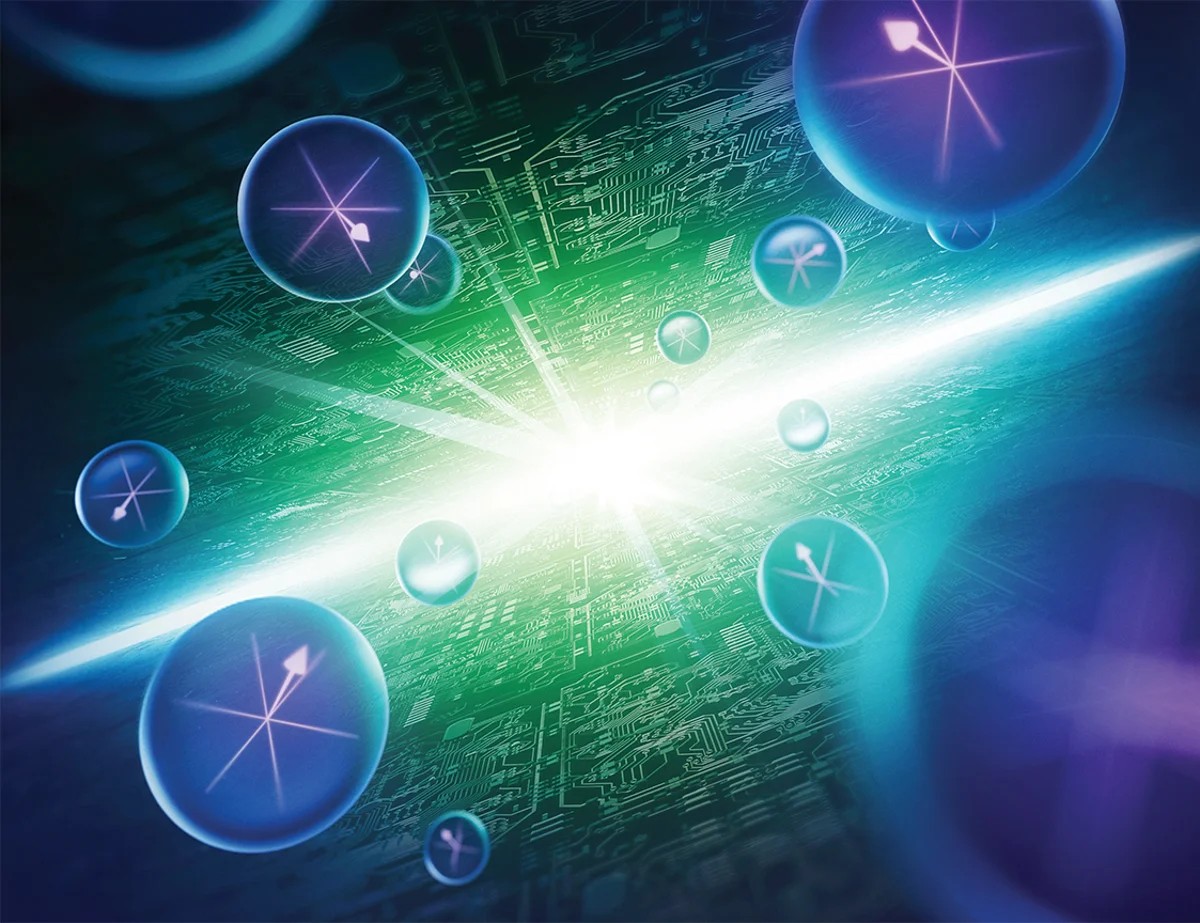
Еще в 1995 году Цоллер и Игнасио Сирак были далеко впереди времени. Будучи в Университете Колорадо, они разработали чертежи, используя ионы в ловушках. Это не обычные биты. Это кубиты. Объекты в суперпозиции, существующие где-то между нулем и единицей, принимая все промежуточные состояния. И они не были первыми, кто подумал об этом. Пол Бениофф и Ричард Фейнман десятилетием ранее предположили, что использование квантовой странности может превзойти классические машины. Но Цоллер и Сирак показали, как это сделать.
Сегодня? Это гонка. IBM и Atom Computing лидируют с процессорами, содержащими более 1000 кубитов. Исследователи Калифорнийского технологического института (Caltech) сообщили о массиве из 6000 кубитов еще в прошлом году.
«Это захватывающе», — говорит лауреат Нобелевской премии Джон Мартинис. «Люди выводят компьютеры со сотнями и тысячами кубитов на уровень готовности».
Но давайте проверим счет.
В 2019 году Google заявила о «квантовом превосходстве». Их чип Sycamore на 53 кубита выполнил вычисление за 20 секунд. Они утверждали, что классическому суперкомпьютеру для этого потребовалось бы 10 000 лет. IBM с этим не согласилась. Они заявили, что ушло бы два с половиной дня. Число стало уменьшаться. И уменьшаться. Но вот в чем подвох. Это вычисление было бесполезным. Чистая академическая демонстрация силы. Кихван Ким назвал это вехой, безусловно, но не прорывом для чего-либо практичного.
Мы ждем. До практического применения еще годы. Эксперты хотят миллион кубитов. Надёжных. Безошибочных. В марте одна группа показала, что процессор IBM Heron на 50 кубитов может предсказывать рассеяние нейтронов в антиферромагнитном кристалле. Точно. Но классические компьютеры делают это быстрее. И точнее.
Итак. Для чего все это?
«Сейчас мы можем моделировать такие явления, как сверхпроводимость, искусственный фотосинтез и конструкции с малым сопротивлением.»
— Мишель Симмонс, Silicon Quantum Computing
Мартинис обеспокоен масштабируемостью. Он отмечает, что машины на миллион кубитов, возможно, никогда не появятся. Доказательство, по его словам, заключается в их постройке. И в том, чтобы увидеть, что они работают.
Кошмар для шифрования
Самый известный страх связан с шифрованием RSA. Банки, криптовалюта, электронная почта. Все это опирается на большие простые числа. Умножать их легко. Делить — невозможно. Или так мы думали.
Квантовые компьютеры не боятся невозможного. Питер Шор предложил алгоритм в 1994 году, который использует запутанность кубитов для взлома RSA. Он проверяет все возможные пути одновременно.
Вот что шокирует. Для этого не понадобится миллион кубитов.
Австралийская команда из Iceberg Quantum рассчитала в феврале, что менее 100 тысяч кубитов, оснащенных коррекцией ошибок, могут взломать его. Google сразу приняла меры, пообещав миграцию к 2027 году. Артур Экерт, обычно скептически относящийся к хайпу, теперь обеспокоен. «Угроза — это не ерунда». Джон Мартинис считает, что реалистичный срок прорыва составляет от пяти до десяти лет.
NIST выпустил новые стандарты постквантовой криптографии в 2026 году. Цоллер говорит, что это снимает панику. Мы можем сменить протоколы до прихода хакеров. Алгоритм Шора остается исторической вехой. Он важнее для вдохновения, чем для разрушения.
Экерт остается тревожным. В прошлом году китайский ученый заявил, что взломал новые стандарты на основе решеток. Заявление оказалось ошибочным. Международному сообществу пришлось потратить недели, чтобы доказать это. Это показалось слишком близко к реальности. А что, если следующее будет правильным?
Моделирование невидимого
Физике нужна квантовая помощь. Фейнман сказал, что мы не можем понять природу, не построив её. Мишель Симмонс согласна. Классические компьютеры захлебываются во взаимодействиях множества частиц. Данные растут экспоненциально. Память заканчивается.
Квантовые симуляторы справляются со сложностью естественно.
Прогресс происходит. Команда Кима поддерживала когерентность ионов в ловушке более часа. В прошлом году две независимые группы смоделировали разрыв струны. Это упругая связь между кварками в Стандартной модели. Потяни её, и она порвется, создав материю и антиматерию. Педром Рашен запустил это на Sycamore. Он назвал это «картиной разрывающейся струны». Теория из 1970-х стала видимой.
Гонсалес-Квадра работала над аналоговым вариантом. Нейтральные атомы в решетке. Они смоделировали флуктуации в двух измерениях. Цифровые методы универсальны. Аналоговые — специализированы. Оба показали новые вещи.
Заменят ли это частицкие коллайдеры? Нет. Но они уточняют теории. Они дают экспериментаторам что-то для проверки. И да, проблема верификации нависает над нами. Цоллер недавно опубликовал статью на arXiv о верификации выходных данных квантовых симуляторов. Как узнать, что черная коробка не врёт вам?
Материалы и медицина
Здесь лежит деньги. Или будущее. Цоллер хочет перейти от режима открытия к активному режиму проектирования. Мы загружаем в квантовый компьютер наши требования. Он выдает молекулярный рецепт. Лучшие батареи. Новые лекарства. Без редкоземельных металлов.
«Речь идет об эффективности», — говорит Мартинис. Экономия даже нескольких процентов в стоимости или производительности окупается миллиардами. Возможны экологические сдвиги.
Святой Грааль — сверхпроводник при комнатной температуре. Без сопротивления. Без необходимости охлаждения.
В настоящее время сверхпроводимость требует условий, близких к абсолютному нулю. Некоторые материалы работают при более высоких температурах. Мы не знаем почему. Хенрик Драйер из Quantinuum использует чип на 98 кубитов для моделирования купратных сверхпроводников. Под воздействием лазера электроны на короткое время образуют пары. Они текут без сопротивления.
«Главный вопрос: можем ли мы инженерно обеспечить это на более длительное время?» — спрашивает Драйер. Час? Десять дней? Мы отстаете на порядок величин. Текущие уровни ошибок составляют одна на тысячу. Нам нужна одна на миллион.
Команда Симмонс в Австралии продолжает двигаться вперед со своей архитектурой на основе кремния.
Итак.
Когда это станет реальностью? Серхио Бойсо предсказывает практические приложения через пять лет. Экерт беспокоится о трещинах в нашей цифровой крепости. Цоллер смотрит на вершину горы и видит лишь вид с пика. Восхождение только началось.
Помнишь ли ты, когда старый мир сломался? Или только когда новый начал гудеть?