



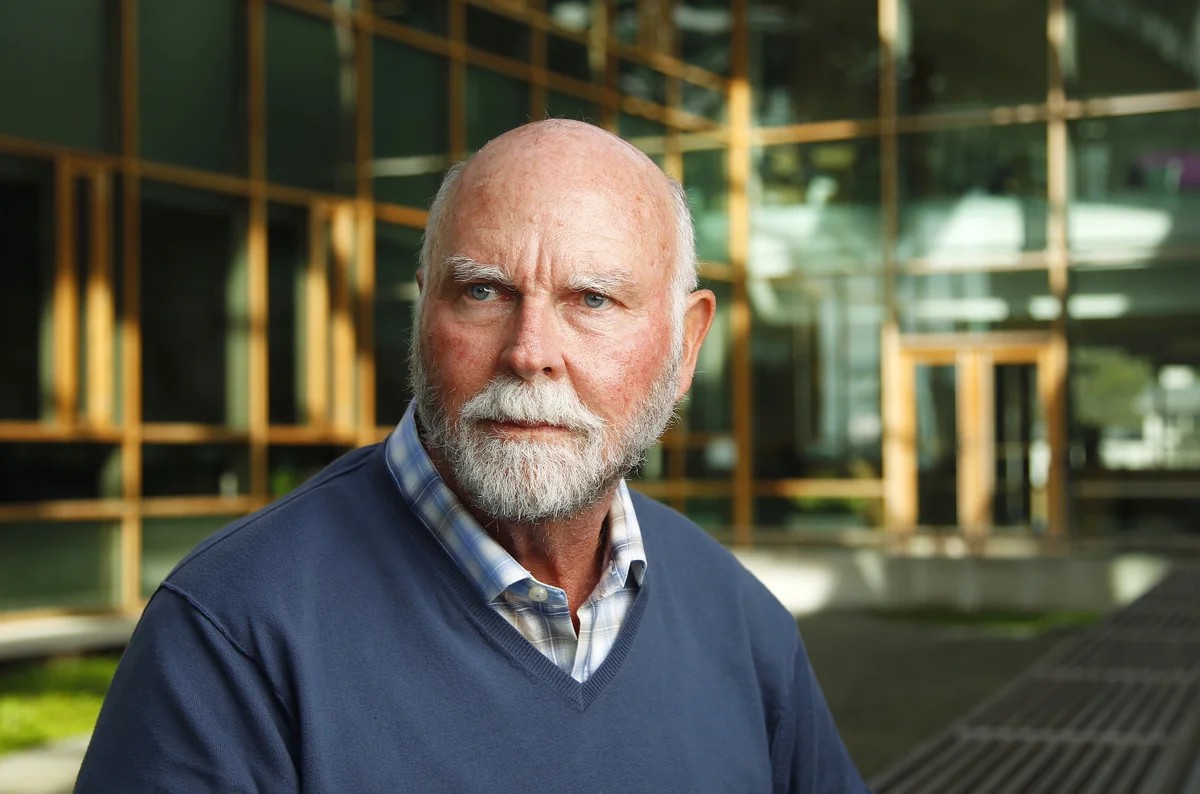
Дж. Крейг Вентер, выдающийся генетик, который радикально изменил ландшафт современной биологии, приняв ключевое участие в расшифровке человеческого генома, скончался в возрасте 79 лет. Его уход из жизни знаменует конец эпохи для ученого, известного не только своими революционными научными достижениями, но и неутомимой энергией, высокорисковыми методами работы и противоречивым публичным образом.
Согласно информации из Института Дж. Крейга Вентера — некоммерческой исследовательской организации, основанной им самим, ученый скончался 29 апреля от осложнений, связанных с лечением рака.
Гонка за расшифровкой жизни
Всемирную известность Вентер обрел в 1995 году, опубликовав первую полную последовательность генома свободноживущего организма (Haemophilus influenzae ). Это достижение разрушило прежние представления о сложности, необходимой для поддержания жизни, и ознаменовало начало новой эры геномных открытий.
Однако именно его роль в «Гонке за расшифровкой человеческого генома» заложила основу его наследия. В 1998 году Вентер основал компанию Celera Genomics, частную фирму, которая бросила вызов финансируемому государством международному Проекту генома человека (HGP). Если HGP опирался на медленный, методичный подход, то Вентер внедрил технологию полногеномного секвенирования «выстрелом» (shotgun sequencing).
Этот инновационный метод заключался в том, чтобы разбить ДНК на миллионы мелких фрагментов, секвенировать их одновременно и использовать мощные компьютерные алгоритмы для сборки полученной мозаики. Несмотря на первоначальную критику со стороны традиционалистов, называвших этот подход безрассудным, метод оказался поразительно быстрым и эффективным, позволив Celera вступить в прямую конкуренцию с консорциумом, поддерживаемым государством.
Соперничество было жестким. Оно противопоставило частную инициативу Вентера академическим гигантам США и Великобритании, включая генетиков Фрэнсиса Коллинза и Эрика Ландера. Давление нарастало до 2000 года, когда тогдашний президент США Билл Клинтон и премьер-министр Великобритании Тони Блэр объявили о совместной пресс-конференции, признав проект успешным. В исторический момент обе стороны согласились на «ничью», опубликовав свои результаты одновременно в журналах Science и Nature.
«Нужно идти на риск. Если вы избегаете рисков, значит, вы выбрали не ту сферу деятельности», — заявил Вентер в недавнем интервью журналу Scientific American, рассказывая о своей философии научных инноваций.
Наследие за пределами человеческого генома
Вклад Вентера выходил далеко за рамки расшифровки человеческого генома. Он был визионером, применившим геномную науку к разнообразным областям, включая морскую биологию и синтез жизни.
- Исследование океана: В 2005–2006 годах Вентер возглавил Глобальную экспедицию по отбору проб в океане (Global Ocean Sampling Expedition). На своей личной яхте он совершил кругосветное плавание, чтобы составить карту генетического разнообразия морских микробных сообществ.
- Синтетическая биология: В 2010 году его команда достигла вехи в синтетической биологии, создав первую самовоспроизводящуюся клетку с химически синтезированным геномом.
- Исследования долголетия: В поздний период карьеры Вентер сместил фокус на изучение старения и заболеваний. В 2013 году он стал сооснователем компании Human Longevity, которая специализировалась на использовании геномных данных для борьбы с возрастными заболеваниями, такими как болезнь Альцгеймера.
Разделяющий, но незаменимая фигура
Вентер редко был фигурой, вызывающей тихий консенсус. Его часто характеризовали как «адвенчуриста», «неуемного» и «разделяющего людей». Тем не менее, коллеги признавали, что его агрессивный стиль ускорила научный прогресс.
Джон Харди, профессор нейронауки Университетского колледжа Лондона, описал Вентера как «силу природы». Харди отметил, что «конкуренция, движимая тестостероном», между командой Вентера и государственными консорциумами «огромно ускорила процессы», что привело к одновременной публикации результатов, выгодной для всего научного сообщества.
Роджер Хайфилд, директор по науке в группе музеев науки и редактор мемуаров Вентера «Разгаданная жизнь», добавил: «Крейг был разделяющей фигурой, но обладал огромным хуцпой [дерзостью/смелостью] и всегда двигался вперед благодаря науке. Он никогда не выиграет приз “Дипломат года”, но он всегда был прямолинеен».
Человеческий элемент в науке
Даже когда искусственный интеллект начинает доминировать в анализе данных, Вентер отстаивал незаменимую ценность человеческой интуиции в науке. В своих последних интервью он подчеркивал, что человеческое творчество не ограничивается обучающими наборами данных.
«Мы все ограничены своими обучающими наборами, но у нас пока есть уникальная способность собирать целое из недостающих кусочков», — сказал Вентер. Он считал своей главной сильной стороной способность видеть сложные концепции и вообразить будущие шаги, необходимые для их решения — черту, которую, по его мнению, ИИ еще не смог воспроизвести.
Путь Вентера начался скромно в 1969 году в Колледже Санта-Матео, прежде чем он перевелся в Калифорнийский университет в Сан-Диего. Его вклад был отмечен Национальной медалью науки в 2008 году, врученной президентом Бараккой Обамой. Вентер отмечал, что эта честь пришла «после лет непрерывной работы, критики… и вмешательства редакторов ведущих научных журналов».
Жизнь Дж. Крейга Вентера стала доказательством силы высокооктановой конкуренции и смелых инноваций. Бросая вызов устоявшимся нормам и принимая риски, он не только расшифровал чертеж человеческой жизни, но и ускорил темп биологических открытий на десятилетия вперед. Его наследие остается напоминанием о том, что в науке, как и в жизни, прогресс часто требует тех, кто готов нарушать правила.