The FDA just signed off on enlicitide. A pill that actually works harder than statins.
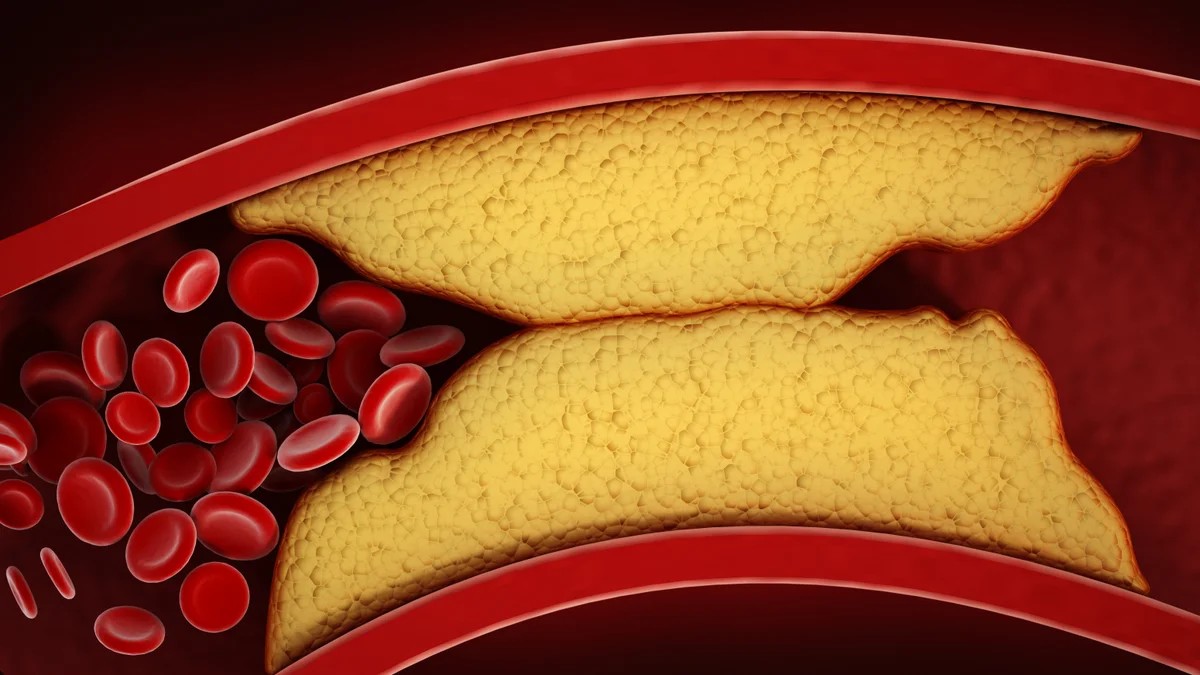
We’ve all heard the warning about LDL cholesterol. That nasty low-density lipoprotein sticks to your arteries. Builds up plaque. Raises your odds for heart disease or stroke. Statins have been the gold standard for decades, trying to keep those levels below 100. This new stuff? It drives them down to 50. Or lower. Clinical trials say so.
Lipfendra is the brand name. The list price sits at $315 for 30 days. That sounds steep, maybe. But remember those injectable PCSK9 inhibitors we’ve had for ten years? They do the same trick. They just cost way more.
Eric Topol from the Scripps Research Translatic Institute puts it bluntly:
“good to have an FDA-approved pill”
He notes it works through a known pathway. It achieves LDL lowering that matches those pricey injections. Why pay more for a shot when you can swallow a pill?
Merck made it. The same company that gave us lovastatin in 1987. History repeating itself, basically. Enlicitide targets PCSK9, a protein made by the liver that usually slows down how your body flushes out cholesterol. Stop that protein. The cholesterol leaves. Side effects? Roughly comparable to placebo. After six months, trials showed up to 60 percent reduction in cholesterol for adults at risk of atherosclerotic cardiovascular disease.
Guidelines shifted this March. The American Heart Association and American College of Cardiology said if you are at risk for a heart attack, you should aim for LDL below 70. High risk? Go below 55. Enlicitide fits that gap. You’re supposed to get screened every five years, anyway.
The evidence on LDL being dangerous isn’t new. It’s overwhelming. But does this specific drug stop the heart attacks? Merck is running trials now. We’ll have to wait and see if the lower numbers mean actual lives saved. Or if this is just another expensive tweak to the system.
Does the price justify the performance? Only your doctor knows for sure.