
Music. Opera. Theater. Ballet. When you hear these words, you probably picture a specific type of institution. In Turkey, the name for these schools is konseratuvar. They are not just academies. They are rigorous training grounds for professional artists.
If you are looking to study one of these disciplines, knowing where to go matters. We have compiled a list of the most prominent conservatories in Turkey. This guide focuses on the capital first.
Ankara Üniversitesi Devlet Konservatuvarı
Located in the heart of Ankara, this is one of the oldest and most respected institutions in the country. It operates under the umbrella of Ankara University. The program is strict. Admission is competitive. But the pedigree of the degree is strong.
Students here do not just learn to play an instrument or perform a scene. They learn the discipline behind the art. The curriculum covers a wide range of musical and theatrical techniques. It is a hub for classical training.
Hacettepe Üniversitesi Konservatuvarı
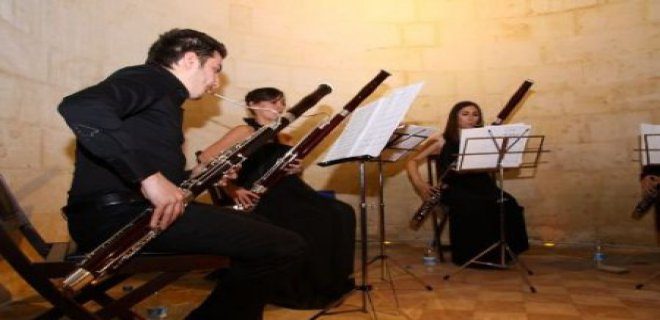
1924’te kurulan Musiki Muallim Mektebi’nin yolculuğu, günümüzde Hacettepe Üniversitesi Konservatuvarı olarak devam ediyor. Bu geçiş, okulun sadece ismini değil, eğitim anlayışını da kökten değiştirdi. Bugünkü haliyle kurum, tek bir enstrümana odaklanmak yerine oldukça geniş bir yelpazede hizmet veriyor.
Hacettepe’de Hangi Disiplinlar Var?
Konservatuvarın sunduğu eğitim alanları, sadece klasik müzikle sınırlı kalmıyor. İster piyano tuşlarında olsun, ister orkestra dirijörlüğünde; her seviyeye hitap eden dal mevcut. İşte temel bölümler:
- Piyano Anasanat Dalı
- Yaylı Çalgılar Anasanat Dalı
- Kompozisyon ve Orkestra Şefliği Anasanat Dalı
- Üflemeli ve Vurmalı Çalgılar Anasanat Dalı
- Caz Anasanat Dalı
- Sahne Sanatları Bölümü
- Müzikoloji Anasanat Dalı
“Geniş yapı, öğrencinin kendi müzikal kimliğini farklı açılardan keşfetmesine olanak tanır.”
Sahne sanatsal yetenekleri geliştirmek isteyenler için belki de en uygun yer burası. Caz dalının varlığı ise geleneksel sınırların ötesine geçen bir seçenek sunuyor. Müzikoloji ise teoriye ve tarihe merak salanlar için ideal.
Bilkent Üniversitesi Müzik ve Sahne Sanatları Fakültesi
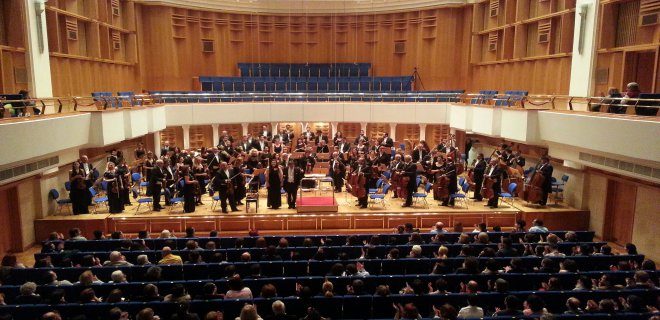
Başkent Üniversitesi Devlet Konservatuvarı: Giriş Yolları ve Bölüm Detayları
Bilkent’in sahne sanatlarındaki güçlü duruşu, iki ana kol üzerine inşa ediliyor. Müzik. Tiyatro. Ancak bu yapı tek bir çatı altında toplanmıyor. Başkent Üniversitesi de aynı coğrafyada, Ankara’nın kalbinde, farklı bir yaklaşımla sahneye çıkıyor.
Devlet Konservatuvarı deyince akla gelen o ağır toplu, klasik duruş Başkent’te de var. Ama burası, sadece piyano çalmak ya da notayı ezberlemekle sınırlı kalmıyor. Programlar, günün gereksinimleriyle şekilleniyor.
Giriş Süreci Nasıl İşliyor?
Buraya girmek isteyenler için yol haritası belli. Devlet üniversiteleri olduğu için, giriş sınavı (ÖSYS/Üniversiteye Giriş Sınavı) şart. Puan türü genellikle ALES ya da YKS’nin ilgili branşları. Ancak konservatuvarlar ek sınavla çalışır.
Bu demek oluyor ki. Sınavdan yüksek almak tek başına yetmez. Yetenek sınavı. Mülakat. Bunlar kapıyı açan anahtarlar.
Hangi Bölümler Var?
Başkent Üniversitesi Devlet Konservatuvarı’nda odak noktası genellikle performans ve kompozisyon.
- Orkestra ve Korosu Yöneticiliği: Liderlik becerileriyle müziği birleştiren bir disiplin.
- Solist ve Korolar için Vokal Performans: Sesinizi sahneye taşımak.
- Enstrüman Dalı: Klavye, yaylılar, nefesliler… Hangi aleti çaldığınızı seçin.
- Türk Musikisi: Geleneksel tınılar, makam bilgisi.
- Opera: Sahne sanatlarının zirvesi.
Neden Başkent?
Konum avantajı büyük. Ankara. Başkent. Devlet kurumlarına yakınlık. Staj imkanları. Orkestra davetleri. Bunlar sadece birer madde değil. Kariyeriniz için ilk basamaklar olabilir.
Bilkent’e göre daha devlet destekli bir atmosfer. Başkent’e göre ise daha esnek, daha modern. Aradaki fark bu. Siz hangi dili konuşuyorsunuz? Klasik mi, çağdaş mı?
Yetenek sınavına hazırlanırken sadece teknik becerilere odaklanmayın. Performans psikolojisi de önemli. Sahne korkusuyla nasıl başa çıkacağınız, sınavda belirleyici olabilir.
Sonuç olarak. Seçim yapmak zor. Ama doğru soruyu sormak daha da zor.
Başkent Üniversitesi: İki Ana Yoldan Mükemmelliğe
Başkent Üniversitesi’nin Devlet Konservatuvarı, sanatı iki ana omurga üzerine kuruyor. Bir yanda Müzik bölümü, öte yanda Sahne Sanatları bölümü. Bu ayrım, öğrencinin hangi enstrümana veya ses türüne odaklanacağını netleştiriyor.
Müzik bölümü daha çok enstrümantal yetkinlik ve teoriye dayanıyor. İşte bu çatı altındaki dallar:
- Kompozisyon ve Müzik Teorisi : Sadece çalmak değil, bestelemek. Müziğin altyapısını anlamak için şart.
- Orkestra ve Koro Şefliği : Liderlik ve organizasyon. Bir topluluğu aynı ritimde tutmak.
- Yaylı Çalgılar : Keman, viyola, viyolonsello… Tellerin titreyişinde gizli disiplin.
- Vurmalı ve Üflemeli Çalgılar : Ritmin ve nefsin birleştiği nokta.
- Piyano-Arp-Gitar : Klavye ve telli çalgılar. Hem solo hem accompaniment (eşlik) için esneklik.
Sahne Sanatları bölümü ise sahneyi merkeze alıyor. Performans odaklı.
- Opera ve Koro Şarkıcılığı : Klasik vokal teknikleri. Sahne şovunun derin kökleri.
- Popüler Müzik Şarkıcılığı : Modern ses. Caz, rock, pop… Günün dilini yakalamak.
Gazi Üniversitesi Türk Müziği Devlet Konservatuvarı
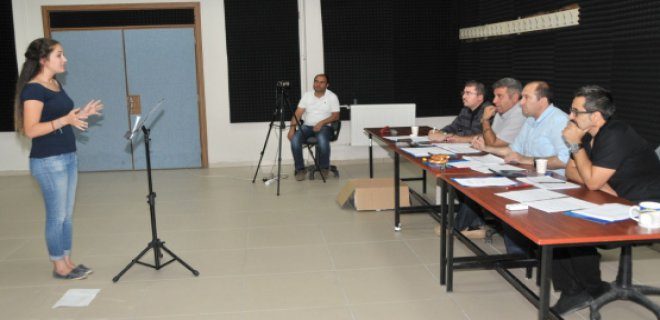
The curriculum at Gazi University’s State Conservatory of Turkish Music is structured around four distinct academic pillars. Students don’t just learn to play an instrument. They dive deep into the theory and history that underpin the art form.
Core Disciplines at Gazi University
The program is divided into four main scientific fields. Each one serves a specific purpose in the holistic training of a musician.
- Instrumental Performance : This is the hands-on core. You spend hours mastering your craft, whether it’s the ney, saz, or keyboard.
- Vocal Studies : Focuses on the human voice as the primary instrument, emphasizing technique and repertoire specific to Turkish classical and folk traditions.
- Composition : Here, theory meets creation. Students learn to structure melodies and harmonies, writing original pieces that respect traditional forms while allowing for modern expression.
- Musicology : This is the analytical side. It involves studying the history, theory, and cultural context of Turkish music.
This four-pronged approach ensures that graduates aren’t just technically proficient. They understand the why behind the music, not just the how.
The Next Step: Yıldırım Beyazıt University
Moving north to Ankara, the landscape of Turkish music education shifts again. You are now looking at Yıldırım Beyazıt University’s State Conservatory of Turkish Music.
This institution carries a different weight. The name itself evokes the Ottoman past, suggesting a curriculum that may lean heavily into historical preservation and traditional mastery.
“Education in Turkish music isn’t just about notes on a page. It’s about carrying a lineage forward.”
If you are comparing options, consider what Gazi offers versus what Yıldırım Beyazıt provides. Both are state conservatories. Both are in Ankara. But their specific emphases might differ in how they handle the four core disciplines mentioned above.
The choice often comes down to faculty expertise and the specific traditions each department prioritizes. Gazi is broad. Yıldırım Beyazıt is specific.
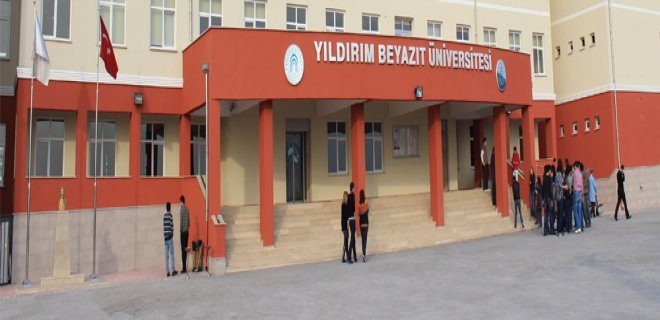
Yıldırım Beyazıt Üniversitesi Türk Müziği Devlet Konservatuvarı’nın hikayesi, 2011’de başlıyor. Bu tarih, sadece bir kuruluş yılı değil, aynı zamanda akademik bir dönüm noktası. Ankara’nın merkezinde yer alan bu kurum, Türk müziği alanında uzmanlaşmış öğrenciler yetiştirmeyi ana misyon ediniyor. Burada öğrenim görenler, sadece nota okumayı değil; makam derinliklerini, usullerin karmaşıklığını ve sanatın ruhunu da kavramak zorunda. Devlet konservatuvarı statüsü, programın standartlarını ve diploma geçerliliğini de doğrudan etkiliyor. İsterseniz geleneksel makam bilgisine hakim olun, isterseniz icranız güçlü olun; bu okul, her iki alanda da titiz bir seçim süreci uyguluyor.
Peki ya İstanbul? Şehrin müzikal dokusunda başka bir durak daha var.
İstanbul Teknik Üniversitesi Türk Musikisi Devlet Konservatuvarı
İstanbul Teknik Üniversitesi bünyesindeki bu birim, İstanbul’un kültürel mirasını taşıyan en önemli eğitim merkezlerinden biri olarak kabul ediliyor. Yıldırım Beyazıt’ın aksine, ITÜ Türk Musikisi Devlet Konservatuvarı’nın kökleri daha derinlere uzanıyor. İstanbul’daki öğrenciler için bu okul, hem teorik altyapı hem de pratik uygulama açısından zengin bir ortam sunuyor.
Hangi şehrin hangi konservatuvarı size daha uygun? Bu sorunun cevabı, sadece konuma değil; eğitim felsefesine ve akademik geçmişe bağlı. Ankara’daki Yıldırım Beyazıt, daha yeni bir yapıya sahip olmasına rağmen, devlet destekli ve odaklanmış bir müzik eğitim modeli sunuyor. İstanbul’daki ITÜ ise, köklü bir üniversite çatısı altında, disiplinler arası bir perspektifle müzik eğitimi veriyor.
Her iki kurum da aynı hedefe yürüyor: Türk müziğini gelecek nesillere aktarmak. Ancak yol haritaları farklı. Ankara’da odak noktası müziğin kendisiyse, İstanbul’da müzik bir üniversite ekosisteminin parçası olarak görülüyor. Bu detay, başvuru yapacak öğrenciler için belirleyici olabilir.
Kaynaklar ve akademik detaylar değişebilir. Güncel kontenjan ve giriş şartları için her zaman resmi üniversite ilanlarını kontrol etmek en sağlıklısı.
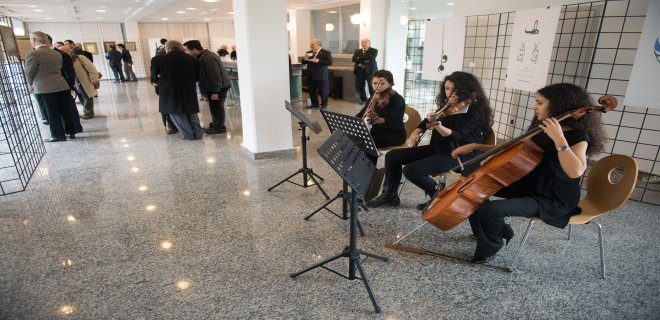
İstanbul Teknik Üniversitesi Devlet Konservatuvarı Bölümları
1975’te kapılarını aralayan İstanbul Teknik Üniversitesi Türk Musikisi Devlet Konservatuvarı, müzik eğitiminde köklü bir durak olarak hizmet vermeye devam ediyor. Bu köklü yapı, öğrencilere sadece teorik bilgi değil, derinlemesine uygulama imkanı da sunuyor.
Hangi bölümlerde eğitim veriliyor?
Konservatuvarın müfredatı oldukça geniş. İster enstrüman çalmayı öğrenmek isterseniz, ister kendi bestelerinizi yaratmak, isterse müziğin arkasındaki bilimi incelemek. İşte sunulan ana dallar:
- Ses Eğitimi: Vokal teknikleri ve ses yönetimi üzerine uzmanlaşmak isteyenler için.
- Çalgı Eğitimi: Enstrümanlarda ileri düzey beceriler kazanmak isteyenler için.
- Kompozisyon: Kendi müzikal eserlerini yaratmak isteyenler için.
- Müzikoloji: Müziğin tarihsel ve kültürel bağlamını incelemek isteyenler için.
- Müzik Teorisi: Müziğin temel yapı taşlarını derinlemesine anlamak isteyenler için.
- Müzik Teknolojileri: Modern teknolojileri müzikle birleştirmek isteyenler için.
- Türk Halk Oyunları: Geleneksel oyunların keşfi ve öğretimi için.
Mimar Sinan Güzel Sanatlar Üniversitesi Devlet Konservatuvarı
Diğer yandan, Mimar Sinan Güzel Sanatlar Üniversitesi Devlet Konservatuvarı da sanat dünyasının önemli bir parçası olarak öne çıkıyor. Bu kurum, müzik ve görsel sanatlar alanlarında eğitim sunarak, öğrencilere kapsamlı bir sanat deneyimi sunuyor. Mimar Sinan Konservatuvarı, özellikle sanatın her dalında uzmanlaşmak isteyenler için uygun bir tercih olabilir.
İstanbul’da müzik eğitimi almak isteyenler için bu iki kurum, farklı yaklaşım ve uzmanlık alanlarıyla seçenek sunuyor. Hangi bölümün sizin için uygun olduğunu belirlerken, kariyer hedeflerinizi ve ilgi alanlarınızı göz önünde bulundurmak önemli.
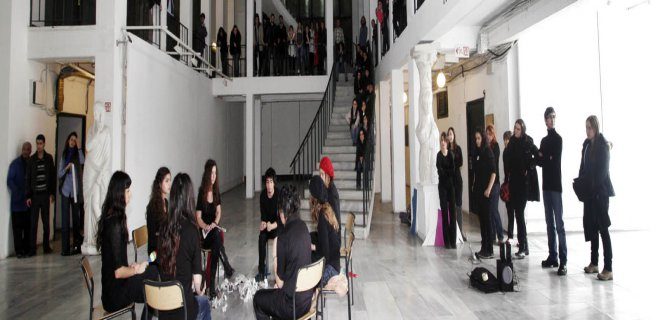
İstanbul Üniversitesi Devlet Konservatuvarı
The lineup changes slightly here. While Mimar Sinan focused on three specific pillars, İstanbul Üniversitesi Devlet Konservatuvarı takes a slightly different route. It doesn’t just list departments; it offers a structured path through its main branches. You are looking at three distinct areas of study.
First, there is Müzikoloji (Musicology). This is the academic side. You study the history, theory, and science of music. It’s less about performing on stage and more about understanding the context behind the notes.
Second is Sahne Sanatları (Stage Arts). This covers the practical. Acting, dance, directing. If you want to be the one in front of the crowd rather than behind the desk, this is where you start.
And then there’s Müzik itself. Performance. Instrumental or vocal. This is the traditional conservatory route. You spend hours in practice rooms. You refine your craft until your fingers or voice become extensions of your intent.
Which path fits your goals?
Choosing between these three depends on what you actually want to do. Do you want to analyze a symphony or conduct it? Do you want to write about theater history or perform in a play?
The curriculum is rigorous. Admission is competitive. But the resources are there. Istanbul University has the weight of history behind it. The faculty includes people who have shaped the field.
It’s not just about getting a degree. It’s about finding your niche within the arts. Whether that niche is academic, performative, or purely musical.
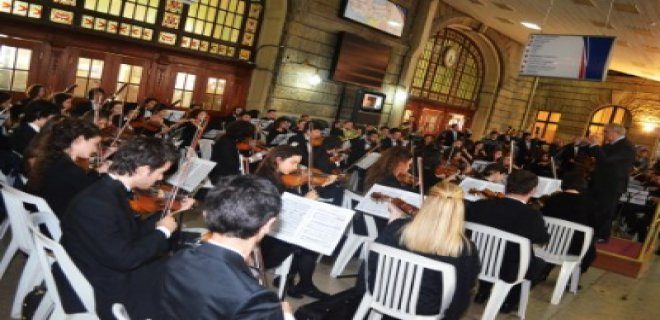
The roots of Istanbul University State Conservatory run deep, tracing back to 1914. It remains a central pillar in Turkey’s arts education, housing three distinct departments: Musicology, Performing Arts, and Music.
Gaziantep University Turkish Music Conservatory
If Istanbul anchors the historical weight, Gaziantep University brings the heat to the region’s musical landscape. The Turkish Music Conservatory here isn’t just another department. It is a dedicated hub for preserving and performing traditional Anatolian sounds.
Why does this matter to a student or parent looking at conservatories? Because the approach is specific. While Istanbul offers breadth across general performing arts, Gaziantep doubles down on the nuances of Turkish classical and folk traditions.
For aspiring musicians in the southeast, this local option eliminates the need to relocate to the big city immediately. The curriculum focuses heavily on instrument mastery and vocal techniques rooted in Ottoman and folk heritage.
The faculty often draws from local masters, meaning students learn directly from practitioners who live and breathe the genre. It creates a tight-knit learning environment where tradition isn’t just studied—it is performed daily.
Key differences in focus
- Istanbul University: Broad scope. Musicology, Performing Arts, and Music. Historical depth spanning over a century.
- Gaziantep University: Specialized scope. Turkish Music Conservatory. Focus on traditional repertoire and regional artistic identity.
Choosing between them depends on your musical goals. Do you want a wide-angle view of the arts? Or do you want to specialize deeply in Turkish music traditions early on?
Both institutions offer rigorous training. The difference lies in the atmosphere and the specific cultural weight each carries. Istanbul is cosmopolitan. Gaziantep is rooted.
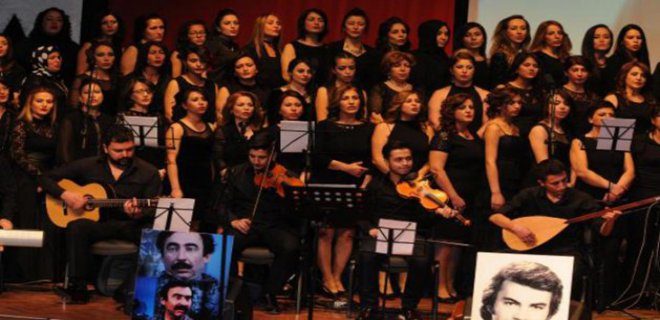
Konya: Selçuk Üniversitesi Devlet Konservatuvarı
Konya’da müzik eğitimi denince akla gelen ilk adres, Selçuk Üniversitesi’ne bağlı Devlet Konservatuvarı. 1988’de Gaziantep’te kapılarını açan o köklü kurumun ardından, Konya da kendi alanında ciddi bir duruş sergiliyor. Burası sadece bir eğitim yeri değil. Geleneksel Türk müziğinden halk oyunlarına, teoriden pratikteki ses çalışmasına kadar geniş bir yelpaze sunuyor.
Eğitim hayatı boyunca karşılaşabileceğiniz bölümler neler? Liste oldukça net:
- Ses Eğitimi: Vokal teknikleri, solfej ve icra becerileri üzerine yoğunlaşan bir alan.
- Temel Bilimler: Müziğin arkasındaki teori, tarih ve akademik altyapı.
- Türk Halk Oyunları: Geleneksel danslar ve koreografiler.
- Müzikoloji: Müziği bilimsel bir perspektifle inceleme ve analiz.
Gaziantep’teki modelin aynısı burada da işliyor. Dört ana anabilim dalı, öğrencilere hem teknik hem de teorik derinlik kazandırıyor. Eğer Konya’da konservatuvar eğitimi almak istiyorsanız, Selçuk Üniversitesi bu bağlamda en güçlü adaylardan biri.

Bursa’da klasik müzik ve sahne sanatlarına merak salanlar için Uludağ Üniversitesi Devlet Konservatuvarı ana üs. Kuruluşu, Türkiye’nin müzik eğitimindeki köklü geçmişe işaret eder. Ancak burası sadece ders dinlemekle ilgili değil. Öğrenciler sahne deneyimini de yaşar.
Daha önce gördüğümüz Selçuk Üniversitesi’nin 1991’deki açılışına kıyasla, Bursa’daki bu kurum da aynı ciddiyeti taşıyor. Geleneksel Türk Müziği, Müzik ve Sahne Sanatları gibi anabilim dalları, eğitimin ne kadar kapsamlı olduğunu gösteriyor. Seçim yaparken bu detaylar önemli.
Nasıl başvuruyoruz? Yönetmelikler yıl içinde değişebilir. En güncel kayıt tarihleri için üniversitenin resmi sitesine bakmak şart. Puan türü de değişkenlik gösterebilir. Genelde temel müzik bilgisi sınavı ve staj değerlendirme komitesi ön plana çıkar.
Şehir kültürü de eğitim kalitesini yansıtıyor. Bursa, sanatseverler için aktif bir ortam. Konserler, festival arşivleri ve yerel müzik gruplarıyla iç içe olmak, teorik bilginin pratiğe dönüşmesine yardım eder. Bu bağlantıyı kuramayan öğrenciler, sadece notalar ezberlemiş olur. Gerçek müzik, nefesle ve temasla başlar.
Hangi anabilim dalı daha çok iş imkanı sunuyor? Geleneksel Türk Müziği, eğitim ve kültür yöneticiliği yollarını aralar. Müzik bölümü daha geniş bir orkestra ve kompozisyon penceresi açar. Sahne Sanatları ise doğrudan tiyatro ve dans sahnesine odaklanır. İhtiyacınıza göre şekillenir.
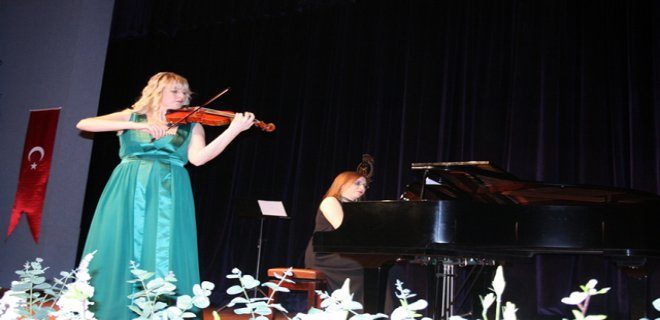
The landscape of classical and traditional music education in Turkey is shifting. It’s no longer just about Istanbul or Ankara. You have to look at the regional hubs too. Take the Uludağ University State Conservatory, for instance.
Established in 1998, it’s been quietly building a reputation. They aren’t just teaching scales. They are offering rigorous training across five distinct departments:
- Strings (Yaylı Çalgılar)
- Woodwinds and Percussion (Üfleme ve Vurma Çalgılar)
- Piano
- Composition
- Orchestral Conducting
- And notably, Turkish Music as a primary art branch.
That last one is key. Most conservatories treat folk music as a side track. Uludağ puts it on the main stage. If you’re looking into how Turkish universities blend Western classical training with local heritage, this is a prime example. The curriculum is structured to handle both. You learn the mechanics of an orchestra, but you also learn the makam system. It’s a specific skill set. Not every school offers that balance.
Then there’s Sakarya.
Sakarya University State Conservatory
Just north of Bursa, Sakarya University has its own State Conservatory. It’s part of the same public education push to decentralize high-level arts training. Students in the Marmara region don’t have to move to the capital to get a degree in music. They can stay local. The facilities are modern. The faculty brings real-world performance experience to the classroom.
If you are a prospective student, the question isn’t just “which school has the best reputation.” It’s “which program aligns with my specific instrument or genre?” Are you a pianist? A composer? A folk musician? The answer changes.
Uludağ’s inclusion of Turkish Music as a core department signals a commitment to cultural preservation. Sakarya’s conservatory offers a different regional flavor. Both are valid paths. Both require discipline. Neither is a shortcut. You show up. You practice. You learn the theory. Then you apply it.
The gap between amateur and professional is bridged by these state institutions. They provide the structure. You provide the hours. The result is a musician who understands both the score and the soul of the music they play.
It’s not easy. But it’s concrete. You get a degree. You get a skill set. You get into the orchestra. Or you start your own ensemble. The options are there. You just have to walk through the door.
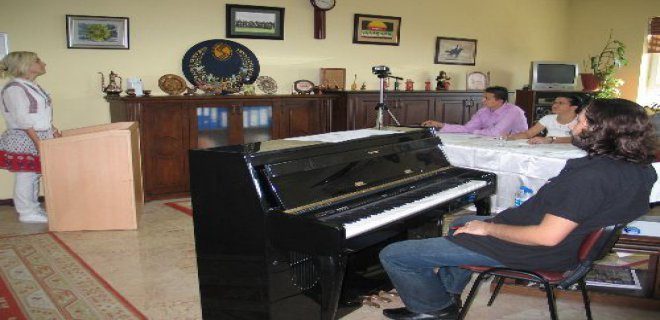
Sakarya Üniversitesi Devlet Konservatuvarı is a solid choice if you are looking for a structured path in the arts. The curriculum is divided into three distinct departments: Temel Bilimler (Basic Sciences), Türk Müziği (Turkish Music), and Türk Halk Oyunları (Turkish Folk Dances). This structure covers both theoretical foundations and practical performance skills.
Afyon Kocatepe Üniversitesi Devlet Konservatuvarı
Moving to Afyon, you will find the Afyon Kocatepe Üniversitesi Devlet Konservatuvarı. Like its counterpart in Sakarya, this is a state-run conservatory. Students here benefit from public university tuition rates and a curriculum focused on classical and traditional music disciplines.
Choosing between these two depends on your specific artistic goals. Sakarya offers a clear split between basic sciences and performance arts. Afyon Kocatepe provides a similar public education framework. Both locations offer stable environments for serious study. The choice often comes down to geography and which department aligns with your skills.
If you prefer Turkish music, both institutions have established faculties. Folk dance enthusiasts might find the Sakarya program particularly relevant due to its dedicated department. Science-focused students interested in music theory will also find the “Temel Bilimler” track at Sakarya useful.
Location plays a role too. Sakarya is close to Istanbul and Ankara. Afyon is more inland. Daily life and travel costs differ. You should visit both campuses if possible. Talk to current students. Ask about faculty availability. Check the course load.
The decision is practical. It involves budget, location, and specific major interests. There is no single “best” option. Only the one that fits your life and career plans. Consider the commute. Look at the dormitory options. Review the admission criteria for each department. These details matter more than the name on the building.
Focus on what you want to study. Then find the conservatory that supports it. Both Sakarya and Afyon offer legitimate, accredited paths. The rest is about logistics.
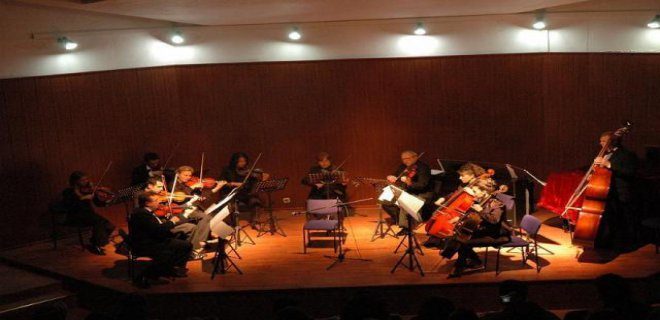
The rhythm of conservatory education in Turkey has a specific cadence. It starts with a foundation and builds toward specialization. Take the Afyon Kocatepe University State Conservatory as an example. It wasn’t built overnight. Established in 1999, it finally opened its doors to students in 2000. That two-year gap between founding and opening is standard. It allows for the hiring of faculty, the acquisition of instruments, and the drafting of a curriculum that actually holds up.
Once open, the structure is rigid in the best way. Four years. That is the standard timeframe. You do not get a shortcut here. The conservatory offers training in four distinct areas: Turkish Art Music, Turkish Folk Music, General Music, and Performing Arts.
Each department demands a different kind of discipline. Turkish Art Music requires a deep dive into classical theory and Ottoman traditions. Turkish Folk Music pulls you into the regional variations across Anatolia. Music and Performing Arts branches handle everything from composition to stagecraft. The goal is the same though. To produce professionals who understand both the technique and the soul of the performance.
Eskişehir
Anadolu University State Conservatory
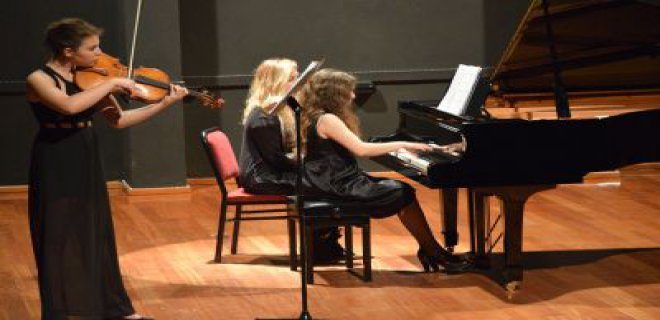
You are looking at the anatomy of music education in Turkey, specifically how the state structures these programs. It is not just about learning an instrument. It is about where you learn it and what the degree actually covers.
Take Anadolu University as a baseline. They split their conservatory into four distinct pillars. You have the Music Department. The Performing Arts Department. The Instrument Making Department. And the Musicology branch. That is a wide net. It covers performance, theory, and the physical craft of building the tools you play with.
Then you jump to Izmir.
Ege University State Turkish Music Conservatory
Here the focus narrows. Sharply.
This isn’t a general music program. It is specialized. The name says it all. Turkish Music. If you want to dive deep into the maqam system, the rhythmic cycles, and the specific repertoire of Turkish classical or folk traditions, this is the spot. It is a state conservatory, which means the training is rigorous and free of tuition fees, but it demands high proficiency.
Why does this distinction matter? Because “music” is too broad a term for admissions officers. They are looking for specificity. Anadolu offers variety. Ege offers depth in a single, complex tradition.
If you are applying, you need to decide: Do you want the breadth of multiple disciplines like Anadolu? Or the intense, singular focus of Ege’s Turkish Music program? The application process for both will require auditions. But the repertoire you prepare will differ entirely. One might ask for a Bach sonata. The other might demand a mastery of the tanbur or the kanun within the Turkish classical context.
There is no “better” option. Only the right fit for your artistic direction.
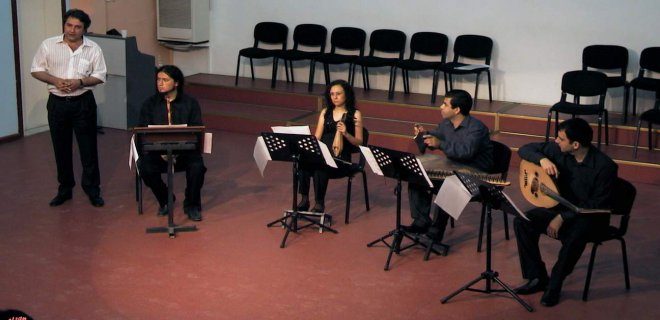
Dokuz Eylül Üniversitesi Devlet Konservatuvarı: İzmir’de Müzik Eğitiminin Kalesi
Ege Üniversitesi’nin 1989’da kapılarını açmasından sonra, Ege Bölgesi’nde devlet konservatuvarları arasında ikinci büyük aktör olarak Dokuz Eylül Üniversitesi Devlet Konservatuvarı sahneye çıktı. İzmir’in kültürel dokusuna entegre olan bu kurum, müzik eğitimine farklı bir boyut kazandırdı.
Ege Üniversitesi’nin Çalgı Yapımı veya Türk Halk Oyunları gibi disiplinlere yönelik spesifik dalları öne çıkardığı görülürken, Dokuz Eylül daha geniş bir yelpazede profesyonel müzisyen yetiştirmeye odaklandı. Her iki kurum da Türkiye’nin müzik haritasını şekillendirirken, Dokuz Eylül’ün İzmir’daki konumu, öğrenci adayları ve müzikseverler için önemli bir tercih noktası haline geliyor.
Bu iki büyük kurumun paralel gelişimi, bölgenin müzikal altyapısını güçlendirdi. Öğrenciler artık sadece teorik bilgi değil, uygulama odaklı, yüksek lisans ve doktora düzeyinde eğitim alabilecekleri köklü bir sistemi kullanma şansı buldu.
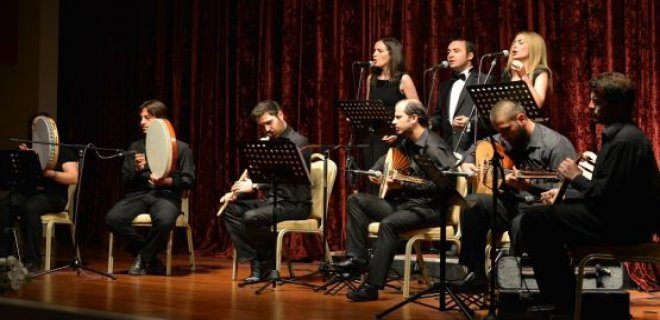
If you are looking for specific instrumental training in Turkey, public conservatories are the primary route. The path is highly competitive. You need to prove you can play.
In Izmir, Dokuz Eylul University’s Conservatory covers a wide range of disciplines. They teach wind and percussion instruments. String instruments are also part of the curriculum. Dance students can study ballet. There is space for composition and conducting. Opera is offered. Piano repair and construction are even available. This is niche. Few places offer instrument building at the university level.
Then there is Adana.
Cukurova University State Conservatory
Located in Adana, Cukurova University runs its own state conservatory. It follows the same public model. Tuition is free. Admission requires passing an entrance exam. The exam tests your technical skill and musicality. You must bring your instrument. You perform. A jury judges you.
Students here focus on performance. Theory is taught alongside practice. The goal is to produce professional musicians. They graduate ready for orchestras or solo careers.
Choosing between Izmir and Adana depends on what you want to play. Dokuz Eylul offers unique tracks like piano repair. Cukurova is strong in traditional performance areas. Both are state-funded. Both are rigorous.
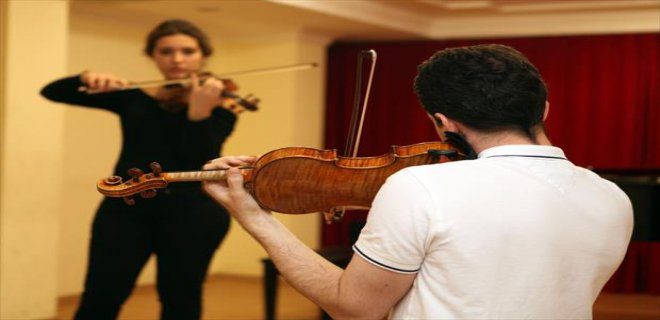
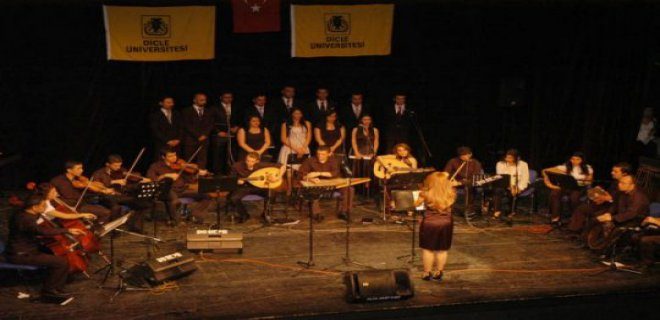
Dicle Üniversitesi Devlet Konservatuvarı Diyarbakır’da yer alıyor. Bu bölümde müzik ve sahne sanatları eğitimi veriliyor. Çukurova Üniversitesi’nden sonra gelen bu köklü kurum, Doğu Anadolu’nun kültür merkezinde öğrenci yetiştiriyor.
Diyarbakır’da sanat eğitimi almak isteyenler için Dicle Üniversitesi önemli bir seçenek. Başka bir yerde bulunmayan bu olanak, yerel kültürü de içeriyor. Öğrenciler hem klasik hem de geleneksel müzikle iç içe olabiliyor.
Nerelerde Müzik Eğitimi Alınabilir?
Türkiye’de devlet konservatuvarları sayıca az. Bu yüzden konum önemli. Diyarbakır gibi büyük şehirlerdeki üniversiteler, sanatçı adaylarına kapı aralıyor. Dicle Üniversitesi’nin conservatuvarı da bu zincirin bir halkası.
Eğitim nasıl işliyor?
– Giriş sınavları ile öğrenci alınıyor.
– Teorik ve uygulamalı dersler yürütülüyor.
– Sahne deneyimi kazandırılıyor.
Bu süreç, sadece nota okumayı değil, toplu çalmayı da öğretiyor. Performans fırsatları sunarak öğrenciyi sahneye hazırlıyor.
Dicle Üniversitesi’nde Hangi Alanlar Öne Çıkıyor?
Müzik bölümü altında çeşitli dallar bulunuyor. İster klasik ister modern tarzda olsun, her kesime hitap eden bir yapı var. Diyarbakır’ın kendi müzik kimliği de buraya yansıyor.
Öğrenciler hangi enstrümanları seçebilir?
– Piyano
– Yaylı çalgılar
– Üflemeli çalgılar
– Perküsyon
Seçim yapılırken yetenek ve ilgi ön planda. Danışmanlık süreçleri bu kararları şekillendiriyor.
Diyarbakır’da Sanat Eğitimi Neden Tercih Edilmeli?
Kültürel zenginlik büyük bir avantaj. Geleneksel müzik ile modern armoniyi bir arada görmek mümkün. Bu durum, öğrencinin müzikal perspektifini genişletiyor.
Şehirdeki konser salonları ve kültür merkezleri de destek oluyor. Pratik yapacak alanlar bol. Uygulama imkânı teorik bilgiyi pekiştiriyor.
Eğitim süresi dört yıl. Diploma almak için staj ve bitirme projesi şart. Bu kriterler, mezunların piyasadaki hazırliğini artırıyor.
Kariyer İmkanları Neler?
Mezunlar ne yapabilir?
– Orkestralarda çalabilir.
– Okullarda öğretmenlik yapabilir.
– Solo sanatçı olarak sahneye çıkabilir.
– Müzik prodüksiyonunda çalışabilir.
Diyarbakır bölgesinde talep artıyor. Yerel halk, canlı müziğe ilgi duyuyor. Bu da mezunlar için iş olanakları yaratıyor.
Şehirdeki sanatsal faaliyetler sürekli. Bu dinamizm, öğrencileri motive ediyor. Yıllar içinde kurulan ağ
State conservatories in Turkey offer a different path than traditional four-year music faculties. They focus heavily on performance. You learn by doing. The curriculum is designed to turn students into working musicians.
Mersin University State Conservatory
Mersin University established its State Conservatory to meet the growing demand for professional arts education in the southern region. While many institutions cover a broad range of theoretical and practical subjects, this specific program zeroes in on three distinct areas.
If you are looking for where to study these specific disciplines, this is one of the few places in the country offering them under a state conservatory framework. The education provided here is not about writing a thesis. It is about mastering an instrument or perfecting a dance.
The program covers Basic Sciences. This might sound odd for an arts college. But it includes the necessary theoretical foundations. You will study the science of sound. You will learn the history and theory that supports your practice. Without this base, performance lacks depth.
Then there is Vocal Training. This is not just singing. It is the technical discipline of the human voice. Students learn breath control, resonance, and repertoire. It prepares you for the stage. It prepares you to be heard in a large hall or a small café. The training is rigorous. It demands daily practice.
The third pillar is Turkish Folk Dances. This is a unique offering. Many conservatories focus on Western classical ballet or modern dance. Here, the focus is on cultural heritage. You learn the steps. You learn the music. You learn the context of each regional dance. This is not just exercise. It is cultural preservation.
Why does this combination matter? Because it creates a well-rounded artist. You might be a singer who understands the science of acoustics. You might be a dancer who understands the theory of movement. This interdisciplinary approach sets graduates apart.
The location in Mersin also plays a role. The city has a rich cultural history. This influences the teaching style. The atmosphere is less rigid than some of the older institutions in Istanbul or Ankara. It feels more accessible.
How to choose between a conservatory and a music faculty?
This is a common question for applicants. The answer depends on your goals.
- Conservatory : Focuses on performance. Less theory. More hours in the practice room. Smaller class sizes. Direct mentorship from working professionals.
- Music Faculty : Focuses on education and theory. Longer degrees. Broader academic requirements. More research-oriented.
If you want to perform, the conservatory path is often faster. You graduate with a portfolio. You graduate with skills. You do not graduate with a master’s degree in musicology.
What skills do you actually gain?
You gain discipline. The schedule is strict. You must show up. You must practice. This builds a work ethic that translates to any career.
You gain confidence. Performing is scary. You learn to overcome stage fright. You learn to connect with an audience.
You gain a community. Your classmates become your network. They are the other musicians in the city. They are the teachers in the future. They are the collaborators.
Is it worth the effort?
For some, yes. For others, no. It is not for everyone. It requires sacrifice. You will miss parties. You will spend weekends practicing instead of sleeping
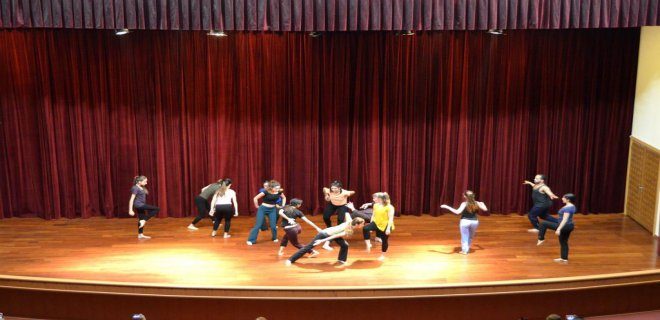
The Mersin University State Conservatory has been a staple of arts education since 1994. Located within the Music and Performing Arts Department, it offers a focused curriculum for students serious about their craft. If you are looking at public institutions in Turkey, this is one of the established routes for formal training.
Akdeniz University State Conservatory in Antalya
Just down the coast, Antalya hosts another major option. The Akdeniz University State Conservatory operates under the same public framework. Students often compare these two programs when deciding where to apply. Both offer state-funded education, which keeps tuition costs low compared to private art schools. The choice usually comes down to location preference and specific faculty strengths. Mersin has its long history since the mid-90s. Antalya brings its own regional influences and student body. Neither is inherently better. They are simply different ecosystems for learning music and performance.
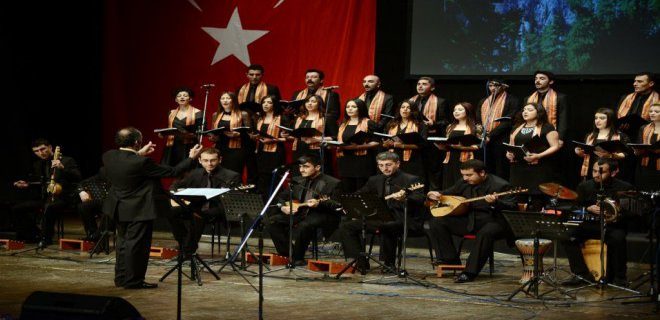
If you are looking at music education in Turkey, you likely know about the big names. But sometimes the right fit is further out. Consider Edirne. It is historic, quiet, and surprisingly robust for arts students.
Trakya Üniversitesi Devlet Konservatuvarı
This isn’t a small program. It is a state conservatory with serious weight. The focus here is on Müzik (Music) and Sahne Sanatları (Stage Arts). You get professional training. No filler.
They also run a dedicated department for Geleneksel Türk Müziği (Traditional Turkish Music). This matters if you care about folk roots. You aren’t just learning notes. You are learning culture.
Why choose Edirne over Istanbul or Ankara? Cost of living is lower. The pace is slower. You can actually focus on your instrument without the city noise.
The curriculum covers western classical traditions. It also covers local stage production. If you want to perform, this is where you start.
Students come from all over the province. The mix is diverse. You learn from each other as much as from professors.
How the Program Works
Admission is competitive. You need to pass an audition. It tests your technical skill. It also tests your ear.
Once inside, the schedule is tight. Practice rooms fill up fast. You have to manage your time. There is no hand-holding.
You will study music theory. You will study history. But mostly, you will play. Or act. Or direct.
The Geleneksel Türk Müziği track is specific. It requires knowledge of makam. It requires understanding of usul. These are not optional. They are the foundation.
Why This Matters for You
Many students think conservatory is just for geniuses. That is wrong. It is for dedicated workers.
Edirne offers a unique environment. It is close to the Bulgarian and Greek borders. There is cultural exchange here. You see different influences.
The faculty are professionals. They perform. They record. They teach. You get mentorship that isn’t theoretical.
Where to Look Next
If Trakya Üniversitesi doesn’t fit, look at nearby regions. Kırklareli has smaller art colleges. Tekirdağ has some private options. But for state-backed, rigorous training, this conservatory stands out.
Check their website for the current year’s exam dates. They change. Don’t miss the window.
The stage is waiting. Are you ready to step on it?
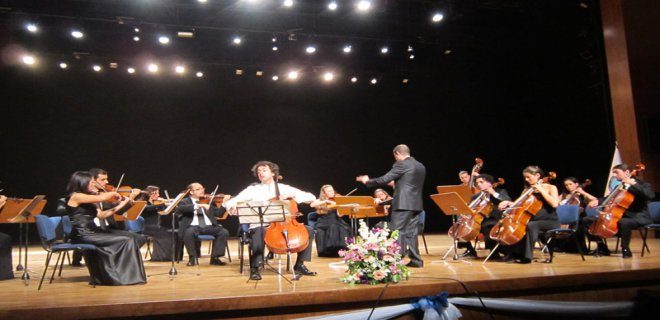
If you are looking for a path into the music world, your first stop should probably be the Trakya University State Conservatory. Established back in 1991, it holds a distinct spot in the Turkish higher education landscape. Why? Because it focuses exclusively on music. No visual arts. No theater. Just pure, unadulterated sound.
This specialization matters. It means the curriculum is tight. The resources are dedicated. The faculty isn’t split between painting and piano. For a student deciding where to study, this singular focus can be a massive advantage. You get a community that speaks the same language. You get facilities built for acoustic precision.
But Trakya isn’t the only option if your sights are set on Anatolia.
Fırat University State Conservatory
Move east to Elazığ. Here you find the Fırat University State Conservatory.
While Trakya is defined by its singular focus on music, Fırat offers a different kind of stability. It is part of a larger university ecosystem. This can be a double-edged sword. On one hand, you have access to broader university resources. Libraries. Sports facilities. General education courses. On the other hand, you might feel a bit less immersed in the specific “conservatory bubble.”
For students comparing the two, the choice often comes down to environment. Do you want a specialized institute in Edirne (Trakya)? Or do you prefer a university town vibe in Elazığ (Fırat)?
Trakya’s model is lean. It’s about the instrument. The notes. The practice room.
Fırat’s model is integrated. It’s about the student as a whole. The city experience. The academic breadth.
Neither is wrong. They are just different paths.
If you are a musician who wants to disappear into the work, Trakya’s history since 1991 suggests a deep well of tradition. If you want a broader academic safety net, Fırat provides that structure.
The question isn’t which is better. It’s which fits your rhythm.
Where do you hear yourself practicing?
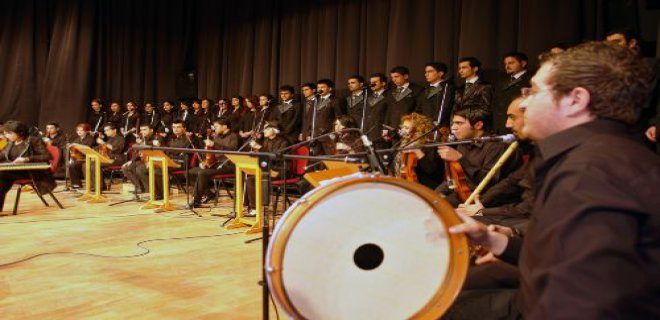
Why Zonguldak’s State Conservatory Focuses on Fundamental Sciences
Most people assume that a “conservatory” in Turkey means a place for intense musical training. You picture pianos, violins, and vocal coaches. But at Bülent Ecevit University State Conservatory in Zonguldak, the reality is different. The curriculum does not center on performance. It centers on the basics of science and theory.
This is a common point of confusion for prospective students and parents. When you see “Devlet Konservatuvarı” (State Conservatory), the instinct is to think arts. Here, the arts are the vehicle, but the destination is foundational education.
The Structure of Education at Bülent Ecevit University
If you are looking for Bülent Ecevit University State Conservatory basic sciences curriculum, you need to understand how the department is organized. The institution operates under the umbrella of Bülent Ecevit University, located in the Black Sea region.
The focus is on temel bilimler (fundamental sciences). This includes disciplines that support higher-level artistic or specialized study. It is not a general undergraduate program in the traditional sense. It is a specialized track designed to build a strong academic base.
Who is this for?
This setup appeals to a specific type of learner.
– Students who want to combine artistic interest with rigorous academic standards.
– Parents looking for state-funded institutions with a structured, non-performance-heavy entry point.
– Lifelong learners interested in the intersection of science and creative fields.
How it works in practice
Instead of spending 100% of their time in practice rooms, students engage with subjects that require analytical thinking. This might include:
– Mathematical logic applied to rhythm or structure.
– Historical and theoretical frameworks for the arts.
– Scientific principles that underpin acoustics or technology in music.
Why this model matters
Traditional conservatories can be incredibly demanding on the body and the ego. A fundamental science approach offers a different kind of challenge. It is cerebral. It is precise.
For students in Zonguldak, this means access to a state education that does not force them into a purely performative mold immediately. It allows for a slower, more methodical build-up of knowledge.
The Zonguldak Context
Zonguldak is known for coal mining and heavy industry. Having a university with a conservatory that pivots toward education and science is a unique local feature. It provides an alternative pathway for youth in the region. They don’t have to move to Istanbul or Ankara to pursue a structured, academic-heavy arts education. They can stay in their home province.
What to expect if you apply
If you are researching how to apply to Bülent Ecevit University State Conservatory, keep the following in mind:
1. Check the department description. Do not assume it is a performance-based degree. Look for “Temel Bilimler.”
2. Prepare for theory. The entrance or internal assessments will likely test your foundational knowledge more than your raw talent.
3. Understand the state benefit. As a public institution, the cost is minimal compared to private academies. The trade-off is a specific academic focus.
A different kind of prestige
There is a quiet prestige
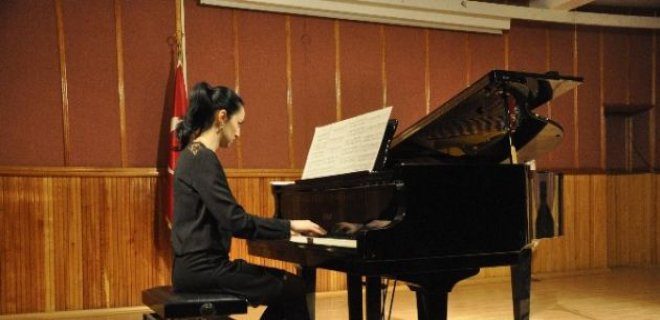
The music department at Bülent Ecevit University isn’t just about theory. You actually get hands-on time.
The State Conservatory there has three main tracks. Music performance. Stage arts. And instrument making. Yes. Instrument making. You can learn to build the tools you use.
Kars and its academic options
Then you look north. To Kars.
Kafkas University sits there. It also has a State Conservatory. The location changes everything. The culture is different. The student body is different. The music you hear on campus is different.
“If you want to learn instrument craftsmanship, Bülent Ecevit is one of the few places in Turkey that offers it formally.”
Why location matters for arts students
Students often overlook geography. It shouldn’t matter. It does.
In Varsak, the environment is industrial. Bülent Ecevit University is near factories. Maybe that’s why they focus on making instruments. It feels practical. Connected to trade.
In Kars, the air is thinner. The winters are long. Kafkas University conservatory feeds off a different rhythm. It’s quieter. More isolated. That isolation can be good for focus. Or it can be lonely. You have to decide what you need.
The instrument making program
Let’s go back to Bülent Ecevit. The Çalgı Yapımı (Instrument Making) department is rare. You won’t find it everywhere. It’s specific.
Why does it exist there? Maybe because the region has a history of craftsmanship. Or maybe because the university wanted a niche. Either way, it’s a concrete skill. Not just playing music. Building it. Fixing it. Designing it.
If you want to play, both schools offer that. If you want to stage plays, both offer that. But only Bülent Ecevit lists instrument manufacturing as a core state conservatory path.
How to choose between the two
It comes down to lifestyle.
Varsak is near Eskişehir. It’s a student city. Lots of cafes. Lots of movement. You can live cheaply. You can travel easily. The conservatory benefits from that energy.
Kars is remote. It’s beautiful. But it’s far from the major hubs. If you want to stay in Kars for the job after graduation, the local arts scene is smaller. But the university is the main cultural anchor. If you leave, you’re leaving a very specific place.
Both are state institutions. The tuition is the same. The degree is the same. The training is rigorous.
The difference is where you’ll spend your days. And who you’ll share them with.
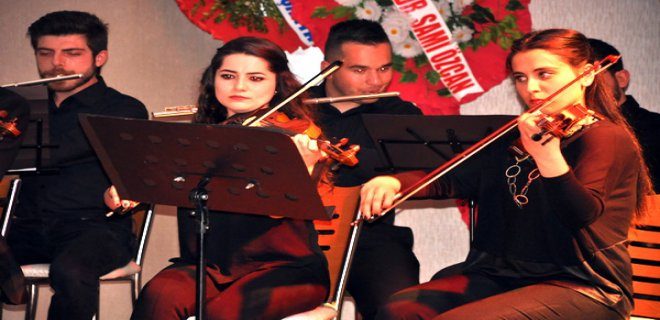
Samsun’s Ondokuz Mayıs University stands as a hub for serious music study in the Black Sea region. Its State Conservatory, part of the broader Ondokuz Mayis University framework, doesn’t just teach notes. It builds careers.
If you are looking into Ondokuz Mayis University State Conservatory, you are likely weighing it against other options. Why this one? Because it offers rigorous training in a city that is less saturated than Istanbul or Ankara, yet still culturally vibrant.
What They Actually Teach
The program is split into distinct tracks. You don’t just say “I study music.” You pick a lane.
- Musicology : This is the academic side. History, theory, analysis. It’s for the brain-heavy learners who want to understand why music works, not just how to play it.
- Music : Performance-focused. Instruments, voice, composition. If you want to be on stage or in a studio, this is your track.
- Performing Arts : Theater, dance, direction. It bridges the gap between pure music and full-on stage production.
The curriculum is designed to be practical. You aren’t just reading scores. You are performing them. You are analyzing them. You are living them.
The Location Factor
Samsun isn’t just a backdrop. It’s a mid-sized port city. It has its own rhythm. Cheaper living costs than the big metros. A growing arts scene. This matters for students. Your budget stretches further here. You can afford better gear. You can afford more practice space.
Admissions and Reality Checks
Getting in isn’t automatic. There are exams. Auditions. Portfolio reviews depending on the department. The competition is real. But the faculty is experienced. Many have studied or performed internationally. They know how to push you.
“The conservatory doesn’t just produce musicians. It produces thinkers who play instruments.”
Who Fits Here?
This isn’t for the casual hobbyist. It’s for the dedicated. If you want to work in orchestras, teach, or compose for media, the training is solid. The connections in the region are strong. Alumni networks matter. And here, they are growing.
Is it the only path? No. But it’s a direct one. Less noise. More focus.
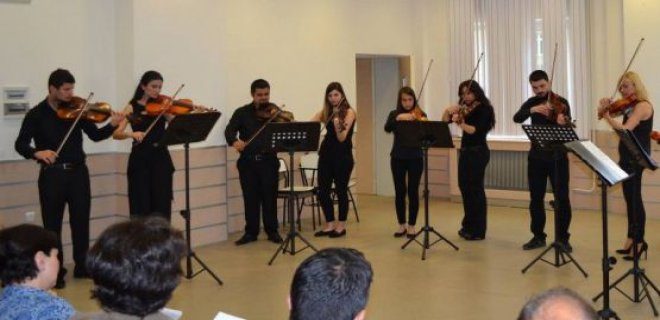
Kültürel mirası korumak ve sanatın geleceğini şekillendirmek, eğitim kurumlarının en temel görevlerinden biri. Bu süreçte Ordu Üniversitesi Müzik ve Sahne Sanatları Fakültesi, bölgenin en köklü eğitim merkezlerinden biri olarak dikkat çekiyor. 1993 yılında kurulan Ondokuz Mayıs Üniversitesi Devlet Konservatuvarı’nın etkisi, bu fakültenin yapısında da hissediliyor.
Bölüm Yapısı ve Eğitim Süreci
Fakülte bünyesindeki Müzikoloji, Müzik ve Sahne Sanatları bölümleri, öğrencilere hem teorik hem de pratik bir altyapı sunuyor. Bu üç ana dal, sanatçı adaylarının geniş bir yelpazede yetişmesini sağlıyor.
- Müzikoloji : Müziği tarih, sosyoloji ve estetik bağlamında inceleyen disiplin.
- Müzik : Performans odaklı, enstrüman veya vokal eğitimini merkeze alan program.
- Sahne Sanatları : Tiyatro, dans ve sahne yönetimi gibi daha görsel ve hareketli alanları kapsayan eğitim.
Bu yapı, öğrencilerin sadece bir enstrüman çalmayı değil, sanatın arka planındaki hikayeyi de anlamalarını hedefliyor.
Neden Ordu Üniversitesi?
Bölge üniversiteleri olarak Ordu Üniversitesi, İstanbul veya Ankara’daki köklü kurumlara kıyasla daha birebir ilgi imkanı sunuyor. Küçük sınıflar, öğrenci-öğretmen etkileşimini artırıyor. Bu da, özellikle performans ağırlıklı bölümlerde hayati önem taşıyor.
Ayrıca, fakülte öğrencileri için sahne deneyimi fırsatları yoğun. Devlet Konservatuvarı’ndaki geçmiş deneyimler, bu fakültedeki müfredatın şekillenmesinde de etkili olmuş. Geleneksel müzikten modern performanslara kadar geniş bir yelpazede eğitim alınabiliyor.
Hangi Öğrenciler İçin Uygun?
Bu fakülte, sadece müzik yeteneğine sahip olanlar için değil, aynı zamanda sanatın teorik yönüne merak salanlar için de uygun. Müzikoloji bölümü, araştırma yapmayı sevenler için idealken; Müzik ve Sahne Sanatları bölümleri, sahneye çıkmaya hazır olanlar için daha uygun.
Eğitim süresi boyunca öğrenciler, sadece derslerde değil, festival ve konser organizasyonlarında da görev alıyor. Bu da mezuniyet sonrası piyasadaki rekabet avantajını artırıyor.
Kariyer Seçenekleri
Mezuniyet sonrası seçenekler oldukça geniş. Orkestra üyeliği, öğretmenlik, konser organizatörlüğü veya kendi sanat üretimini yapmak gibi yollar açık. Ayrıca, müzikoloji mezunları akademisyenlik veya kültür yöneticiliği gibi alanlarda da kariyer yapabiliyor.
Fakülte, öğrenc
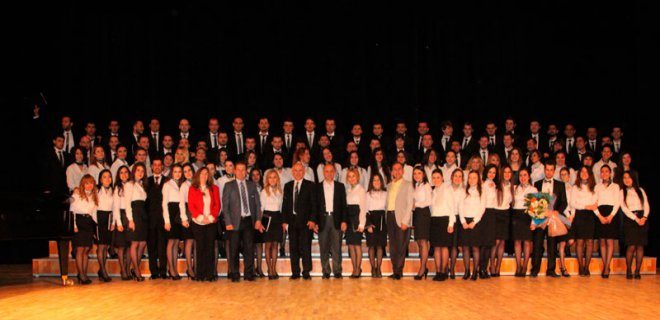
Trabzon’un Karadeniz Teknik Üniversitesi bünyesindeki Devlet Konservatuvarı, Ordu’daki benzerini aratmaz. 2012’de eğitim hayatına başlayan Ordu Üniversitesi Müzik ve Sahne Sanatları Fakültesi’ni hatırlıyorsunuz. Orada Müzik, Türk Müziği, Tiyatro, Opera ve Bale, Türk Halk Oyunları gibi bölümler vardı.
Trabzon’daki durum da benzer bir disiplin yelpazesi sunuyor. Devlet Konservatuvarı, sahneye adım atanlar için sert ama ödüllü bir yol haritası çizer.
Hangi Bölümler Var?
Karadeniz Teknik Üniversitesi’nde konservatuvar eğitimi alanlar şunlara odaklanır:
- Müzik: Genel müzik teorisi, armoni, kompozisyon.
- Türk Müziği: Klasik ve ağır sanat müziği geleneği.
- Opera ve Bale: Sahne performansı, vokal teknikleri, bale temelleri.
- Tiyatro: Oyunculuk, sahne hareketleri, senaryo analizleri.
Bu bölümler, sadece enstrüman çalmayı veya dans etmeyi öğrenmek değil. Sahnede durmayı, kitleyi yönetmeyi ve sanatın ağırlığını taşımayı öğretir.
Neden Trabzon?
Karadeniz’in atmosferi, sanatçıların ruhunu besler. Soğuk rüzgarlar, dağların sessizliği, denizin gürültüsü… Bunlar, yaratıcılık için iyi birer tetikleyicidir.
Trabzon, tarihi dokusuyla da sanatçılara ilham verir. Eski evler, dar sokaklar, limandaki insanlar… Her köşe bir hikaye anlatır. Konservatuvardaki öğrenciler, bu hikayeleri sahneye taşır.
Nasıl Başvurulur?
YKS (Yükseköğretim Kurumları Sınavı) sonuçlarına göre başvuru yapılır. Sanat dalları özel yetenek sınavları gerektirir.
- YKS Puanı: SAY, SÖZ veya EŞİT AĞIRLIK grubundan puanınız olmalı.
- Özel Yetenek Sınavı: Konservatuvarın düzenlediği sınavda başarılı olmalısınız.
- Belge Dosyası: Diploma, kimlik, fotoğraf gibi belgeleri eksiksiz sunun.
Sınavlar genellikle yaz aylarında yapılır. Hazırlık süreci, müzik veya tiyatro geçmişi olanlar için daha kolaydır. Ama sıfırdan başlayanlar da var. İstedikleri kadar çalışsalar, kapı açılır.
Mezunlar Ne Yapar?
Konservatuvardan mezun olanlar, sahneye çıkar. Orkestralarda çalar. Tiyatro oyunlarında rol alır. Bale topluluklarında danseder. Bazıları eğitimcilere döner. Bazıları ise kendi projelerini kurar.
Trabzon’da kültür-sanat etkinlikleri yoğun. Festivaller, şenlikler
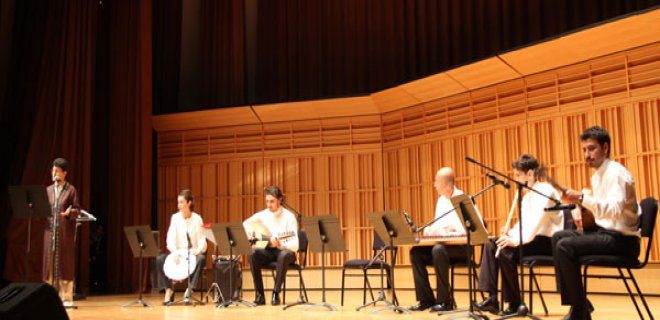
Onsekiz Mart Üniversitesi Devlet Konservatuvarı’nın müzikoloji odaklı eğitimi
Karadeniz Teknik Üniversitesi’nin 2003 yılında kurulan devlet konservatuvarı, disiplinini sadece müzikoloji bölümüne kısıtlamıştı. Bu dar alan, Çanakkale’deki eğitim sisteminde de benzer bir yoğunlaşma gördü.
Çanakkale’deki müzikoloji seçeneği
Onsekiz Mart Üniversitesi Devlet Konservatuvarı da aynı doğrultuda hareket etti. Öğrenciler için özel bir yol haritası sunan bu kurum, müzikoloji alanında uzmanlaşmak isteyenler için belirgin bir seçenek oluşturdu.
Peki bu odaklanma öğrencilere ne sağlıyor?
- Sadece müzik tarihine ve analizine yoğunlaşan müfredat.
- Akademik araştırma fırsatları.
- Sınırlı ama derinlikli bir öğretim programı.
Bu yapı, geniş çaplı bir performans eğitimi arayanlar için uygun olmayabilir. Ancak teorik bilgiyi pratikle birleştirmek isteyenler için sağlam bir temel sunuyor. Hangi programın sizin hedeflerinize uygun olduğunu belirlemek için müfredat detaylarını dikkatlice incelemek gerekir.
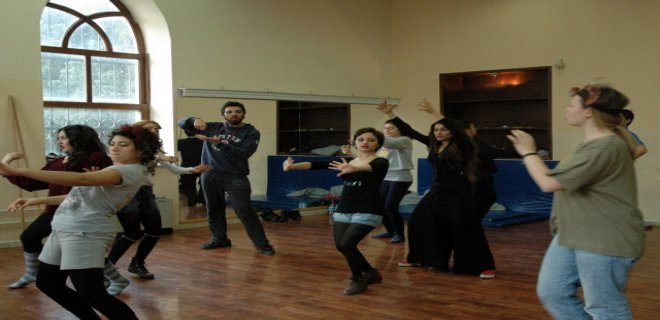
Music education isn’t just about having talent. It’s about structure. At Onsekiz Mart Üniversitesi’s State Conservatory, the music department breaks down into three distinct areas. You have Instrument and Voice as the main arts disciplines. But there are two other specific tracks to consider.
The goal here isn’t to overwhelm you with theory. It’s to show you where the doors are open.
Giresun
Giresun University State Conservatory
Located in the Black Sea region, Giresun University has its own State Conservatory. It operates under the same national framework. The focus remains on rigorous, professional training in the arts.
If you are looking at which state conservatory offers the best music program, location matters. Giresun provides a quieter environment. That can be good for deep focus. It is also cheaper than studying in Istanbul or Ankara.
The curriculum mirrors the national standard. Students study their primary instrument or voice. They also take history of music and theory classes. This ensures a well-rounded education.
But the state of the facilities varies. Some campuses are historic. Others are brand new. Giresun’s campus is relatively modern. The practice rooms are soundproofed. The recital halls are functional.
For a student, this means fewer distractions. More time in the practice room.
“The best conservatory is the one where you can practice without interruption.”
Why Location Matters in Arts Education
You might ask why the city matters at all. It’s not just about weather. It’s about the local music scene. Giresun has a rich folk tradition. This influences the broader cultural experience.
Students often form local ensembles. They perform at university events. They might even play at city festivals. This is practical experience. It’s real-world exposure.
The faculty at Giresun State Conservatory are often active performers. They bring that energy into the classroom. You learn technique. You also learn how to stage a performance.
Comparison with Other Regions
How does it compare to the big cities? In Istanbul, you have constant gigs. You can see world-class artists weekly. In Giresun, you build your foundation first.
There is no right answer. It depends on your personality. Do you thrive in chaos? Or do you need calm to create?
Both paths lead to professional careers. The diploma is the same. The accreditation is identical. The difference is in the daily life.
Practical Steps for Applicants
If Giresun interests you, start early. Check the entrance exam dates. They are usually in July. You will need to prepare your audition piece.
Prepare at least six months out. Record yourself. Get feedback. Don’t rely on gut feeling.
Also, look at housing costs. Giresun is affordable. Rent is low. Food is cheap. This reduces financial stress. Less stress means better performance.
Consider the commute. If you live off-campus, is the campus walkable? Is there public transport? These small details add up.
The Bottom Line
Music education is a commitment. It requires hours of repetition. It demands emotional resilience.
Choosing a conservatory is the first major decision. It sets your trajectory.
Don’t just look at rankings. Look at the vibe. Look at the cost. Look at the faculty.
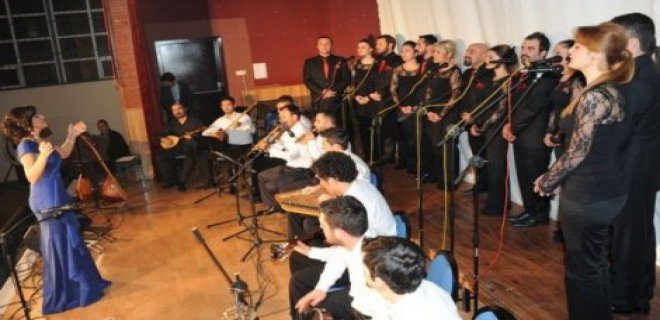
Giresun University’s State Conservatory didn’t open until 2008. It was a late arrival to the higher education game. But it didn’t come empty-handed.
The school has a specific focus. They teach Turkish Music and traditional performing arts. If you are interested in folk roots, they have a department for it.
Tokat
Gazi Osman Pasha University State Conservatory
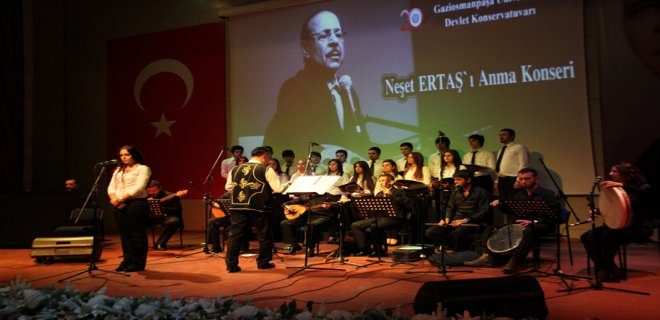
If you are looking for Turkish music programs, the landscape in Kocaeli might not be the first place you think of. You are not wrong to skip over it initially. Most traditional music students gravitate toward Istanbul, Ankara, or Izmir. But the geographic spread of Turkey’s state conservatories is wider than the usual suspects.
This isn’t just about geography. It’s about where the faculty sits and what the curriculum actually teaches.
The Kocaeli University State Conservatory
Here is the hard fact: Kocaeli University does not currently operate a State Conservatory with its own Turkish Music department. If you see a program claiming to be a “State Conservatory Turkish Music Department” in Kocaeli, you need to check the accreditation carefully. It is likely a faculty of arts and sciences within the university, or perhaps a private institution mislabeled.
Most Turkish Music education in the region is handled by institutions in neighboring provinces or by the main conservatories in larger cities.
Why Location Matters for Turkish Music
You might think, “It’s just music. The notes are the same in Izmir as they are in Kocaeli.”
That is a dangerous assumption for Turkish classical music. This art form relies heavily on transmission. Master-apprentice dynamics. Direct feedback from ustas. Regional variations in ornamentation. The usul (rhythmic cycles) might feel different depending on who is teaching.
If you are applying to conservatories, you are not just buying a degree. You are buying access to a specific network.
Where to Look Instead
If you are set on studying Turkish Music near the Marmara region, your options are more concentrated.
- Istanbul University State Conservatory : The historic heavyweight. The curriculum is rigorous. The faculty includes names that have shaped the modern understanding of the genre.
- Hacettepe University State Conservatory (Ankara) : Known for a more structured, academic approach to traditional music.
- Gazi Osman Pasa University : You mentioned them in your notes. They do offer Turkish Music. They are located in Edirne, not Kocaeli. This is a common confusion. Edirne has its own distinct musical heritage.
How to Verify the Program
When you are scrolling through university websites, look for these specific markers:
- The Word “Konservatuvar” : It must say “Devlet Konservatuvarı”. If it says “Devlet Meslek Yüksekokulu”, you are looking at a vocational school. The degrees and career paths are different.
- Faculty Listings : Check the professors. Are they practicing musicians? Do they have recordings with major labels or reputable ensembles?
- Curriculum Detail : A good program will list specific instruments. Does it offer ney, kanun, ud, or just piano with a Turkish music major? The instrument availability dictates your practice hours.
The Application Reality
Getting into a Turkish Music department is not like applying for engineering. You need a portfolio. You need to demonstrate your senin (tone) and your usul sense.
The entrance exams are brutal. They test your ear training before they test your technical skill on
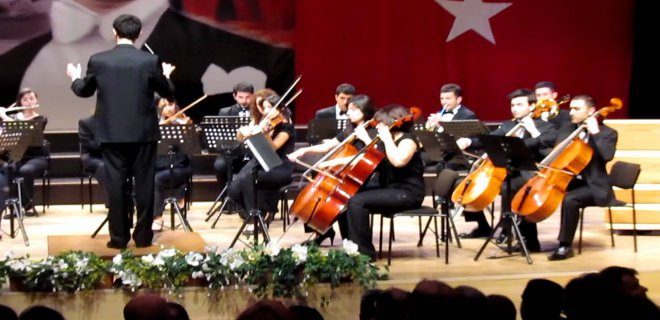
Kocaeli Üniversitesi Devlet Konservatuvarı’nın hikayesi, 2006 yılında başlıyor. Bu tarih sadece bir kuruluş tarihi değil, aynı zamanda o yıl eğitim vermeye başlayan bölümlerin de başlangıç noktası. Özellikle Müzik, Müzikoloji ve Türk Müziği bölümleri bu yıl aktif hale geldi. Öğrenciler için bu, müzik eğitiminde yeni bir dönemin kapılarını aradığı anlamına geliyor.
Adıyaman’da müzik eğitimi
Adıyaman da bu listeye dahil.
Adıyaman Üniversitesi Devlet Konservatuvarı
Burada durum biraz daha net. Adıyaman Üniversitesi’ne bağlı Devlet Konservatuvarı, müzik alanında eğitim veren önemli bir merkez haline geldi. Ancak 2006 yılı referans alındığında, bu kurumun henüz varlığından veya o yılki aktif bölümlerinden bahsetmek gerekirse, Kocaeli’deki gibi net bir başlangıç yılı ve bölüm listesi vermek yerine, kurumun genel varlığına odaklanmak daha doğru.
Kocaeli’de 2006’da başlayan süreç, öğrencilere üç ana dalda eğitim fırsatı sundu:
- Müzik Bölümü : Enstrüman ve vokal eğitimleri.
- Müzikoloji : Müziğin tarihi, teorisi ve analizleri.
- Türk Müziği : Geleneksel Türk müziğinin özel odaklı eğitimi.
Bu üç bölüm, o yılki mezunların veya öğrencilerin yol haritasını çizdi. Adıyaman Üniversitesi Devlet Konservatuvarı ise kendi içinde farklı bir dinamik taşıyor. Hangi yıllarda hangi bölümler açıldı? Bu sorunun cevabı, her üniversitenin akreditasyon sürecine ve akademik kadro durumuna bağlı.
Eğer Adıyaman’a yöneliyorsanız, güncel bölüm listesini ve müfredatı kontrol etmek şart. Kocaeli’de 2006’dan beri süregelen Müzikoloji ve Türk Müziği eğitimi, Adıyaman’da da benzer bir akademik derinlik arıyorsanız, o bölümün ne zaman ve nasıl kurulduğunu bilmek önemli.
Müzik eğitimi almak isteyenler için bu iki örnek, farklı şehirlerdeki olanakları gösteriyor. Kocaeli, 2006’dan bu yana tutarlı bir yol çizdi. Adıyaman ise kendi sürecinde. Hangi şehir, hangi bölüm için daha uygun? Bu, sadece coğrafya sorunu değil. Akademik kadro, imkanlar ve öğrencinin hedefleri belirleyici.
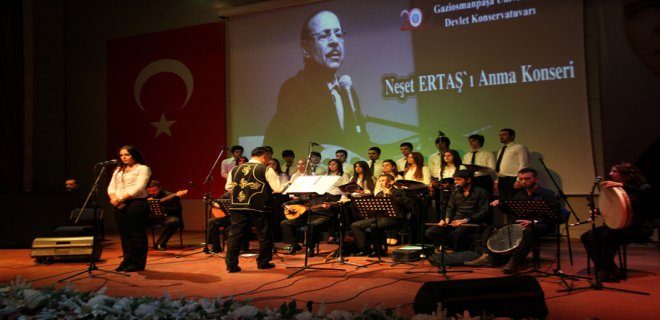
Inönü University State Conservatory sits right in the middle of Malatya. It didn’t just appear out of nowhere. It carries the weight of a public institution built to train serious musicians.
The conservatory is part of Inönü University. That’s a public university. So the degree you get is recognized. It’s not a private certificate. It’s a state-backed credential.
What they actually teach
The curriculum is strict. You don’t just pick a major and drift. You are pushed. The programs focus heavily on technique and theory.
They have a Music Department. This is where you learn to play. You learn to read. You learn to understand the structure of a song down to the bar.
There is also a Musicology program. This is different. It’s academic. You study the history of music. You analyze texts. You look at how music shapes culture. It’s for the brain, not just the fingers.
Then there is the Turkish Music Department. This is specific. It’s not generic. It’s about the Turkish maqam system. It’s about traditional instruments like the tanbur or the kanun. You learn the repertoire that has been passed down for centuries.
Why Malatya matters for music
Malatya isn’t Istanbul. It isn’t Ankara. But that’s the point. It’s quieter. Less noise. More focus.
Students come here to escape the distractions. The cost of living is lower. The atmosphere is conducive to practice. You can practice for hours without fighting for studio space in a crowded city.
The faculty are experts. They are often performers themselves. They don’t just lecture. They demonstrate. You learn by watching them. You learn by playing with them.
Who is this for?
This is not for hobbyists. You need discipline. You need to show up every day.
If you want to be a performer, the Turkish Music and Music departments are your path. If you want to teach or research, Musicology is the way.
The conservatory prepares you for a career. It prepares you for the stage. It prepares you for the classroom.
It’s a solid option. Especially if you want quality education without the Istanbul price tag. The training is rigorous. The degree is respected.
You walk in with potential. You walk out with a skill set. That’s the deal.
There’s still more to cover about state conservatories. But this one holds its own.
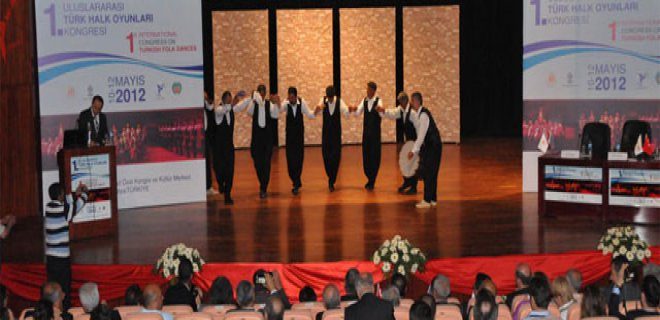
If you are looking for established piano and string programs outside the major hubs, Inönü University’s State Conservatory is a solid option to have on your radar. It has been running since 2007. The focus is strict. They offer education specifically in Piano and String Instruments. No fluff. Just core performance training.
Aydın
Adnan Menderes University State Conservatory
Speaking of regional options, you have to look at Adnan Menderes. It sits in Aydın. The State Conservatory there is the main draw. It’s not just another music department. It carries the “State” designation. That means it follows a specific public university curriculum. The standards are high. The tuition is low compared to private colleges. For students on a budget who still want serious training, this is a practical path.
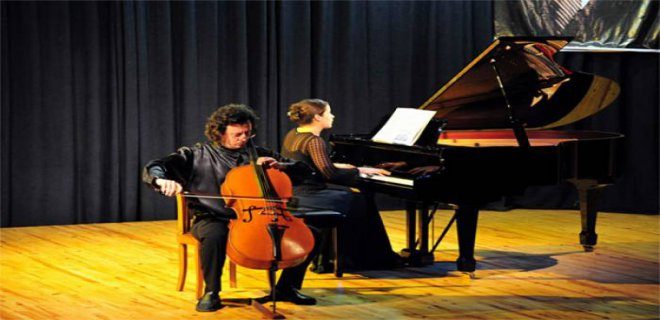
It started in 2005. Adnan Menderes University’s State Conservatory opened its doors with a very specific mission. They didn’t cast a wide net. Instead, they focused tightly on two areas. Piano. Strings.
If you are looking for classical training in these instruments, this is one of the places to look. The curriculum isn’t about dabbling. It’s about deep specialization from day one. Students don’t waste time on electives that don’t serve their primary instrument. They dive straight into the technical and artistic demands of their chosen path.
Hatay
Mustafa Kemal University State Conservatory
Moving down to Hatay, the landscape shifts. Here, Mustafa Kemal University steps in. Its state conservatory offers a parallel path for serious musicians. While Adnan Menderes carved out its niche early on, this institution provides another hub for high-level instruction.
The distinction matters for prospective students. You aren’t just choosing a university. You are choosing a specific pedagogical tradition. State conservatories in Turkey operate differently than general arts departments. The pressure is higher. The hours are longer. The expectation is mastery.
For piano and string students, the choice often comes down to location and faculty fit. Adnan Menderes has the history since 2005. Mustafa Kemal offers a strong alternative in the south. Both prioritize the core repertoire. Both demand rigorous practice. If you are serious about piano or strings, these aren’t just schools. They are training grounds for professional careers.
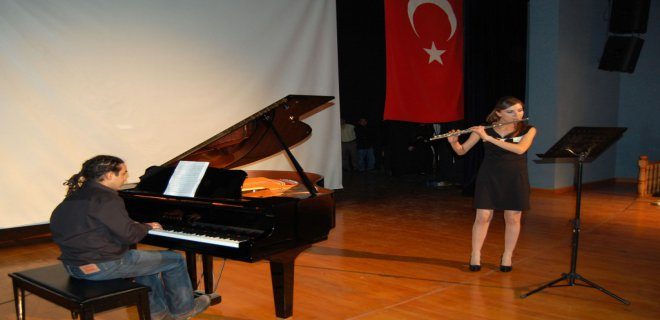
MKU Conservatory: Where Music Meets Rigor
The institution wasn’t built overnight. It started in 2005 when Mustafa Kemal University’s State Conservatory opened its doors. Since then, it has become a hub for serious musicians. If you are looking for where to study music in the region, this is a primary destination.
The curriculum is structured around distinct disciplines. You aren’t just “studying music.” You pick a lane. The options are specific and technical.
The Instrumental Tracks
For those who want to master a physical skill, the conservatory splits the instrumental arts into two main camps. There is the Üflemeli ve Vurmalı Enstrümanlar section. This covers woodwinds, brass, and percussion. Then there are the Yaylı Enstrümanlar. Strings require a different kind of discipline. Both paths demand daily practice. There is no shortcut.
The Vocal and Keyboard Focus
Not everyone plays an instrument in the traditional sense. The Şan department is for vocalists. It focuses on technique, breath control, and repertoire. Meanwhile, Piyano stands alone. Piano students get individual attention. The keyboard is a massive instrument in terms of range and responsibility.
The Theoretical Side
If your strength lies in understanding rather than playing, the Müzikoloji track is for you. It digs into the history and theory behind the notes. But theory alone isn’t enough for everyone. That’s where Kompozisyon comes in. This department teaches you how to create original work. It bridges the gap between understanding music and making it.
Why This Structure Matters
You might wonder why the breakdown is so specific. It’s not arbitrary. Each department has different pedagogical needs. A violinist needs different mentorship than a composer. The conservatory’s setup allows for specialized instruction.
“Specialization isn’t about narrowing your world. It’s about deepening your expertise.”
This model ensures that students don’t get generic training. They get targeted education. Whether you are an undergraduate aiming for a career or a lifelong learner seeking depth, the structure supports that goal.
Who Is This For?
It’s for the dedicated. The program requires commitment. You need to show up. You need to practice. The faculty expects professionalism. This isn’t a casual hobby class. It’s a rigorous academic environment.
If you are in Adana or planning to move there, this conservatory offers a clear path. The location matters. It’s connected to the university infrastructure. Resources are available. The network of alumni is growing.
Consider the timeline. It’s been around since 2005. That’s nearly two decades of experience. The programs have been refined. The methods tested. It’s not a startup. It’s established.
So, where do you start? Look at the departments. Match your skills. If you play strings, go for Yaylı. If you sing, look at Şan. The choice dictates your daily routine. It dictates your future.
The music industry changes. Technology shifts. But the fundamentals remain. Breathing. Finger placement. Theory. Composition. These are the constants. The conservatory teaches them.
There is a lot of noise in education these days. Promises of quick success. This place doesn