


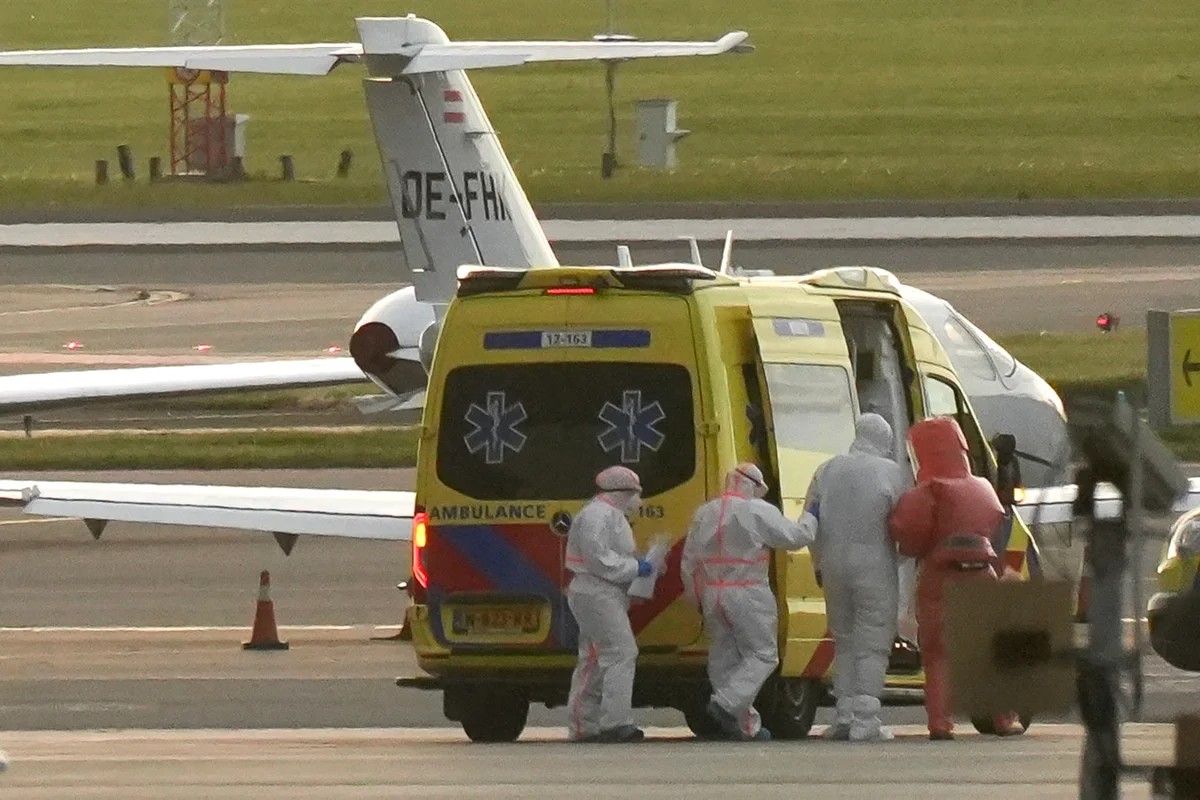
Вспышка хантавирусной инфекции на круизном лайнере MV Hondius выявила критический разрыв в системе глобальной биобезопасности: хотя учёные близки к созданию эффективных препаратов на основе антител против вируса, хроническое недофинансирование и редкость вспышек отодвигают внедрение этих терапий в клиническую практику на годы.
Текущий кризис, в результате которого заболели как минимум девять человек, а трое погибли, служит суровым напоминанием о том, что хантавирус — это не просто сельская болезнь, переносимая грызунами. Вирусный штамм, вызвавший эпидемию, — андский вирус, — уникален тем, что он может передаваться от человека к человеку. Учитывая инкубационный период, который может длиться до восьми недель, специалисты по общественному здравоохранению предупреждают, что среди пассажиров, уже сошедших с корабля и вернувшихся домой, вероятно, появятся новые случаи заболевания.
Гонка против времени
На сегодняшний день не существует специфического противовирусного лечения хантавируса. Медицинская помощь остается поддерживающей и включает гидратацию, отдых и контроль тяжелых симптомов, таких как дыхательная недостаточность. Для пациентов с нарушениями дыхания это часто означает интубацию и госпитализацию в отделение интенсивной терапии. Однако исследователи активно работают над изменением этой ситуации, разрабатывая терапию моноклональными антителами — синтетическими белками, предназначенными для нейтрализации вируса до того, как он нанесет серьезный ущерб организму.
Две ведущие исследовательские группы выявили перспективные кандидаты:
- Колорадский университет: Иммунолог Тони Шунц и его команда идентифицировали антитела, полученные из человеческих лейкоцитов, способные бороться с различными штаммами хантавируса. Хотя исследования на животных показывают высокую эффективность, у команды не хватает ресурсов для масштабирования производства или проведения клинических испытаний на людях.
- Вермонтский университет: Исследования профессора Джейсона Боттена сосредоточены на антителах, которые связываются с поверхностными гликопротеинами вируса, эффективно блокируя его проникновение в клетки хозяина. Этот механизм аналогичен тому, как некоторые препараты воздействуют на спайк-белки SARS-CoV-2.
«У нас есть лидеры-кандидаты, но у нас нет 25–50 миллионов долларов для перехода к следующему этапу», — говорит Шунц. «Именно здесь мы всегда застреваем».
Ловушка «недостаточно внимания»
Главным препятствием для вывода этих препаратов на рынок является не научная реализуемость, а экономическая целесообразность. Вспышки хантавируса редки, что создает замкнутый круг для фармацевтической разработки:
- Низкая привлекательность для инвестиций: С 1993 по 2023 год в США было зарегистрировано менее 1000 подтвержденных случаев, а во всем мире ежегодно фиксируется около 10 000 случаев. Потенциал рынка слишком мал, чтобы привлечь частные фармацевтические инвестиции.
- Сложности клинических испытаний: Даже при наличии финансирования набор достаточного количества пациентов для статистически значимого клинического испытания практически невозможен в годы между вспышками. В США исследователи могут видеть всего пять случаев в год, что затрудняет проверку эффективности препаратов.
- Разрыв в срочности: Финансирование, как правило, следует за вниманием СМИ. Когда происходит вспышка, интерес резко возрастает, но как только непосредственная угроза миновала, финансовая поддержка исчезает еще до того, как препараты будут окончательно доработаны.
Этот паттерн делает мир уязвимым. Хотя пандемия COVID-19 продемонстрировала, что регуляторные сроки могут быть ускорены в чрезвычайных ситуациях, хантавирус не вызывает того же уровня устойчивого политического или финансового интереса. В результате, даже ускоренный процесс одобрения займет годы, оставив текущие и будущие вспышки без специфических терапевтических опций.
Управление текущей вспышкой
Пока научное сообщество добивается долгосрочных решений, предпринимаются меры по немедленной локализации. Всемирная организация здравоохранения (ВОЗ) координирует мониторинг всех пассажиров лайнера MV Hondius.
- Меры карантина: Восемнадцать американских пассажиров в настоящее время находятся под наблюдением в Национальном карантинном центре при Медицинском центре Университета Небраски, еще двое — в больнице Университета Эмори в Атланте.
- Глобальный отслеживание: ВОЗ идентифицировала и нашла 34 пассажиров, покинувших корабль до подтверждения вспышки. Учитывая длительный инкубационный период, эти люди остаются в группе риска развития симптомов через несколько недель после высадки.
Заключение
Вспышка хантавируса на лайнере MV Hondius обнажает уязвимое звено в готовности глобальной системы здравоохранения к пандемиям. Хотя наука успешно выявила потенциальные лекарства, экономическая реальность лечения редких заболеваний не позволяет этим инновациям достичь пациентов. Если политики и фонды финансирования не признают потенциал передачи вируса от человека к человеку и не создадут специальные механизмы для терапии редких заболеваний, мир будет зависеть от поддерживающего ухода, а не от специфических методов лечения во время следующей вспышки.