



Ученые-климатологи звучат тревогу в преддверии предстоящего чемпионата мира по футболу FIFA 2026: экстремальная жара представляет значительную угрозу как для игроков, так и для зрителей. Согласно новому анализу организации «World Weather Attribution» (WWA), каждый четвертый матч может пройти в условиях, угрожающих здоровью и безопасности.
По мере приближения к старту турнира эти данные вызывают острые вопросы о состоянии инфраструктуры, благополучии спортсменов и осязаемом влиянии изменения климата на глобальные спортивные события.
За пределами термометра: измерение реального теплового стресса
Суть предупреждения заключается не просто в том, насколько жарко «на ощупь», а в том, как организм действительно реагирует на окружающую среду. Исследователи использовали систему температуры влажного глобуса (Wet Bulb Globe Temperature, WBGT), а не стандартные показания температуры воздуха.
WBGT — это комплексный показатель, учитывающий:
* Температуру воздуха
* Влажность (которая препятствует испарительному охлаждению)
* Радиационное тепло (воздействие солнца)
* Скорость ветра
«День с температурой 30 градусов Цельсия в сухих условиях с ветром очень отличается от дня с такой же температурой при высокой влажности, ярком солнце и безветрии», — объясняет Крис Маллингтон, старший преподаватель Имперского колледжа Лондона, участвовавший в анализе.
Используя показатель WBGT, ученые могут точнее прогнозировать физиологическую нагрузку на человеческий организм, предоставляя более четкую картину опасности, чем простое чтение термометра.
Критические пороги и арены высокого риска
Международная федерация профессиональных футбольных ассоциаций (FIFPRO) установила конкретные пороги безопасности, основанные на показаниях WBGT:
* 26°C WBGT: порог, при котором должны быть внедрены меры охлаждения и протоколы безопасности.
* 28°C WBGT: уровень, при котором матчи следует перенести для предотвращения тяжелого теплового стресса.
Анализ предсказывает, что 25% из 104 запланированных матчей будут проходить при показателях WBGT 26°C и выше. Что еще более тревожно, пять игр могут достичь или превысить критический порог в 28°C.
Зоны наибольшего риска
Хотя некоторые арены, такие как в Далласе и Хьюстоне, выигрывают от кондиционирования воздуха внутри стадионов, другие остаются уязвимыми. Исследование выделяет три открытых арены с высоким риском:
1. Майами: шесть матчей здесь имеют «почти стопроцентную» вероятность превышения порога 26°C WBGT.
2. Канзас-Сити
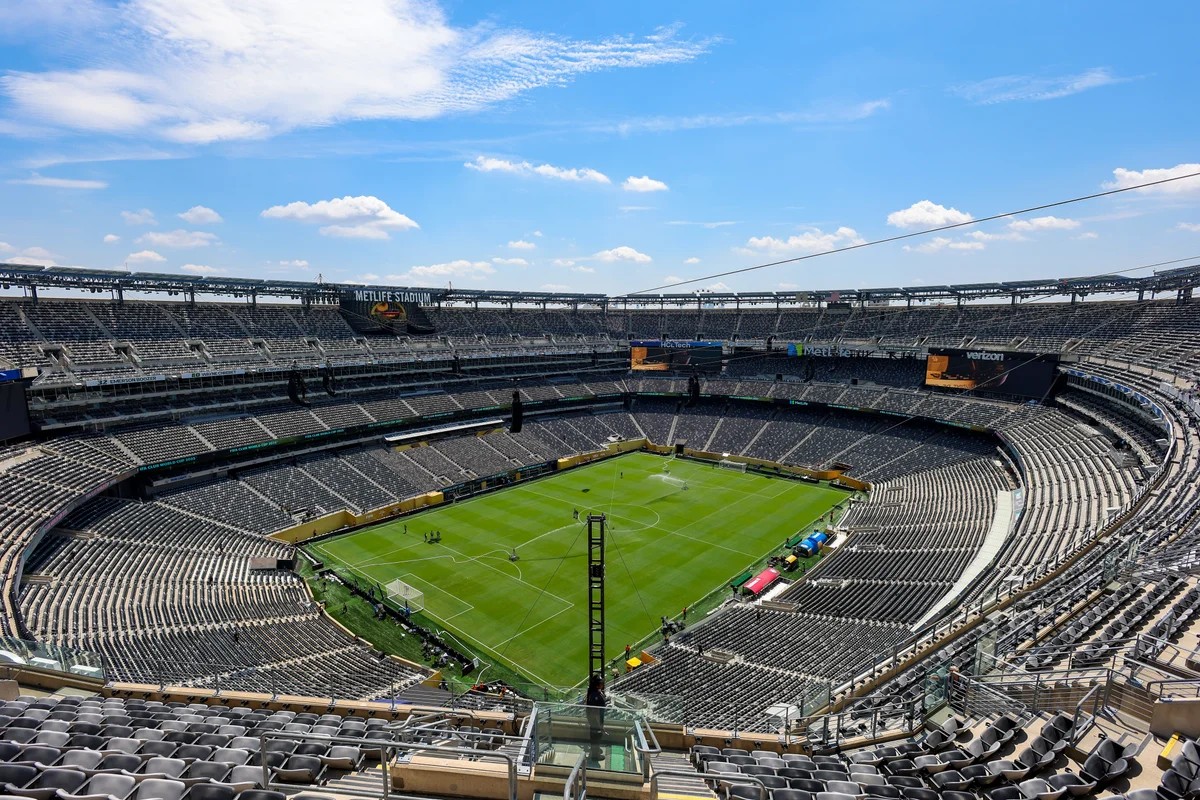
3. Ист-Ратерфорд, Нью-Джерси: место проведения финала 19 июля.
Финальный матч имеет 1 шанс из 8 попасть в опасную зону 26°C и 1 шанс из 37 достичь критической отметки 28°C. В Майами даты в середине июля несут шанс 1 из 33 превышения экстремального порога в 28°C.
Нарастающий кризис: изменение климата в действии
Это не изолированный прогноз. Предыдущие исследования, включая опубликованное в 2025 году в International Journal of Biometeorology, предупреждали, что четыре города-хозяева более половины времени летом превышают порог в 28°C. Чемпионат мира 2022 года в Катаре был famously перенесен с июня/июля на ноябрь/декабрь специально для избежания смертоносной жары.
Текущий анализ подчеркивает прямую связь с антропогенным изменением климата. США в последний раз принимали чемпионат мира в 1994 году. С тех пор средняя температура в городах-хозяевах возросла на 0,7°C.
Джойс Кимутай, научный сотрудник Имперского колледжа Лондона, заявляет, что эти ухудшающиеся условия «уверенно обусловлены антропогенным изменением климата». Условия физиологического теплового стресса, связанные с турниром, стали как более вероятными, так и более интенсивными по сравнению с предыдущими десятилетиями.
Защита игроков и болельщиков
Риски распространяются не только на элитных спортсменов. Хотя игроки физически подготовлены, они остаются уязвимыми к истощению от жары, что может ухудшить их показатели и поставить под угрозу здоровье. Маллингтон призывает организаторов внедрить превентивные меры, такие как:
* Обязательные перерывы от жары
* Затененные зоны и полотенца со льдом
* Усиленный медицинский мониторинг
* Изменение графиков разминки
Однако широкая публика сталкивается с уникальной уязвимостью. Зрители — это медицински разнообразная группа, включая пожилых людей, детей и лиц с уже имеющимися заболеваниями, такими как сердечно-сосудистые или метаболические болезни. Кроме того, болельщики подвергаются дополнительному воздействию жары во время поездок к местам проведения матчей и посещения открытых фан-зон.
От организаторов требуется обеспечить достаточное медицинское присутствие, легкий доступ к воде и тень, а также надежное планирование транспортной логистики для смягчения этих рисков.
Заключение
Чемпионат мира 2026 года находится на перекрестке спорта и климатической реальности. Поскольку почти четверть матчей столкнется с опасными уровнями жары, турнир служит суровым напоминанием о том, как изменение климата меняет глобальные события. Без строгих протоколов безопасности и инвестиций в инфраструктуру здоровье игроков и болельщиков остается под значительной угрозой.