



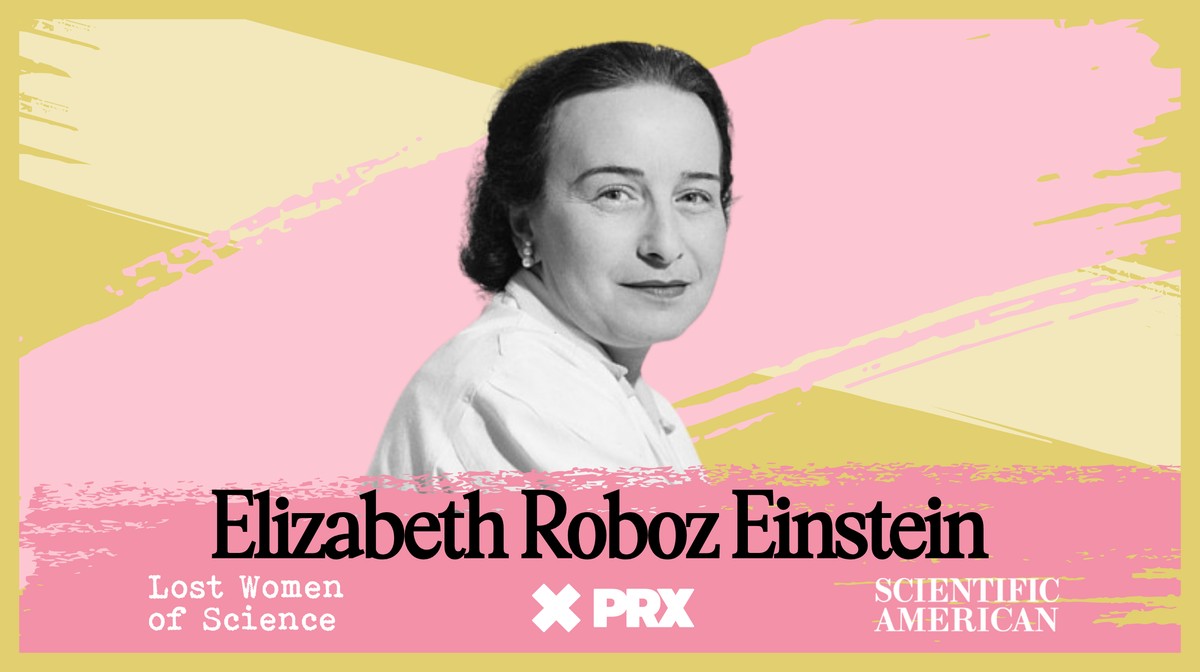
Архітектор нейрохімії: дивовижний шлях Елізабет Робоз Ейнштейн
Історію сучасної медицини часто пишуть ті, хто пережив неймовірне. Для доктора Елізабет Робоз Ейнштейн шлях до наукового прориву був прокладений через чудовий порятунок від жахів Другої світової війни та невгамовне прагнення осягнути складності людського мозку.
Будучи першопрохідником в області нейрохімії, що зароджується, Ейнштейн провела дослідження, які заклали фундаментальну основу для розробки ефективних методів лікування розсіяного склерозу (РС) — захворювання, яке тривалий час ставило медичне співтовариство в глухий кут.
Втеча з пітьми
У травні 1940 року, коли нацистська Німеччина зміцнювала свій контроль над Західною Європою, 36-річна угорська єврейка піднялася на борт лайнера Conte di Savoia в Генуї, Італія. Вона подорожувала одна, залишивши позаду сім’ю та континент, що стоїть на порозі краху.
Її порятунок був неймовірним везінням. У той час, як більшість біженців стикалися з непереборними бюрократичними бар’єрами, Ейнштейн отримала привілейовану візу завдяки своїй вузькій спеціалізації в галузі сільськогосподарських наук. Це дозволило їй сісти на судно, яке незабаром стане символом трагедії тієї епохи: невдовзі після її прибуття до Нью-Йорка Conte di Savoia був потоплений німецькими військами.
«Для мене та багатьох моїх колег у галузі нейронаук розуміння та лікування захворювань мозку – це найважливіша частина медицини. Саме це робить нас людьми, унікальними та значущими». – Д-р Стівен Хаузер
Від ботаніки до людського мозку
Науковий шлях Ейнштейн розпочався далеко від неврологічних лабораторій США. Її академічний фундамент було закладено у «Червоному Відні» 1920-х років — прогресивному соціально-демократичному центрі, де єврейські жінки дедалі активніше боролися за право на вищу освіту та незалежність.
Її ранні дослідження були зосереджені на хімічному складі рослин, зокрема протизапальних властивостях кори глоду. Хоча це може здатися нескінченно далеким від неврології, саме тоді вона набула досвіду у вивченні того, як хімічні структури взаємодіють з біологічними системами.
Повернувшись до Угорщини, вона швидко просунулась кар’єрними сходами в сільськогосподарській фірмі, заснувавши лабораторію харчування рослин. Проте зі зростанням антисемітизму у 1930-х роках та наближенням війни її кар’єра в Угорщині стала неможливою. Переїзд до США був не просто втечею заради виживання, а й поворотним моментом, який повністю змінив її наукову спадщину.
Подолання бар’єрів у нейрохімії
Влаштувавшись в Америці, Ейнштейн переключилася з вивчення харчування рослин на вивчення найскладнішого органу у світі — людського мозку.
Цей перехід був значним з кількох причин:
– Народження нової дисципліни: Вона стала одним із піонерів нейрохімії — області, яка пов’язує біологію та хімію для розуміння механізмів регуляції функцій мозку.
– Розшифровка РС: Її найважливіші праці були присвячені механізмам розсіяного склерозу, що допомогло вченим зрозуміти, як хвороба вражає центральну нервову систему.
– Зразок «Нової жінки»: Протягом усієї своєї кар’єри вона втілювала ідеал «Neue Frau»* (Нової жінки) — незалежного, високоосвіченого професіонала, який відмовляється дозволяти системним бар’єрам, чи то ґендерним чи політичним, обмежувати свій потенціал.
Спадщина стійкості
Життя Елізабет Робоз Ейнштейн стало свідченням сили спеціалізованих знань. В епоху, коли імміграція суворо контролювалася ксенофобською політикою (такою як закон Джонсона-Ріда), її здатність використовувати наукову підготовку для отримання дозволу на переїзд до США змінила перебіг історії медицини.
Сьогоднішні методи лікування пацієнтів із розсіяним склерозом зобов’язані її рішучості. Вона перетворила шлях вимушеного переселенця на шлях відкриттів, довівши, що навіть у найтемніші розділи людської історії геніальність здатна розквітати.
Висновок: Перехід Елізабет Робоз Ейнштейн від фахівця з сільського господарства, який рятується від війни, до першопрохідника нейрохімії підкреслює, як особиста стійкість і науковий досвід можуть докорінно просунути наше розуміння здоров’я людини.