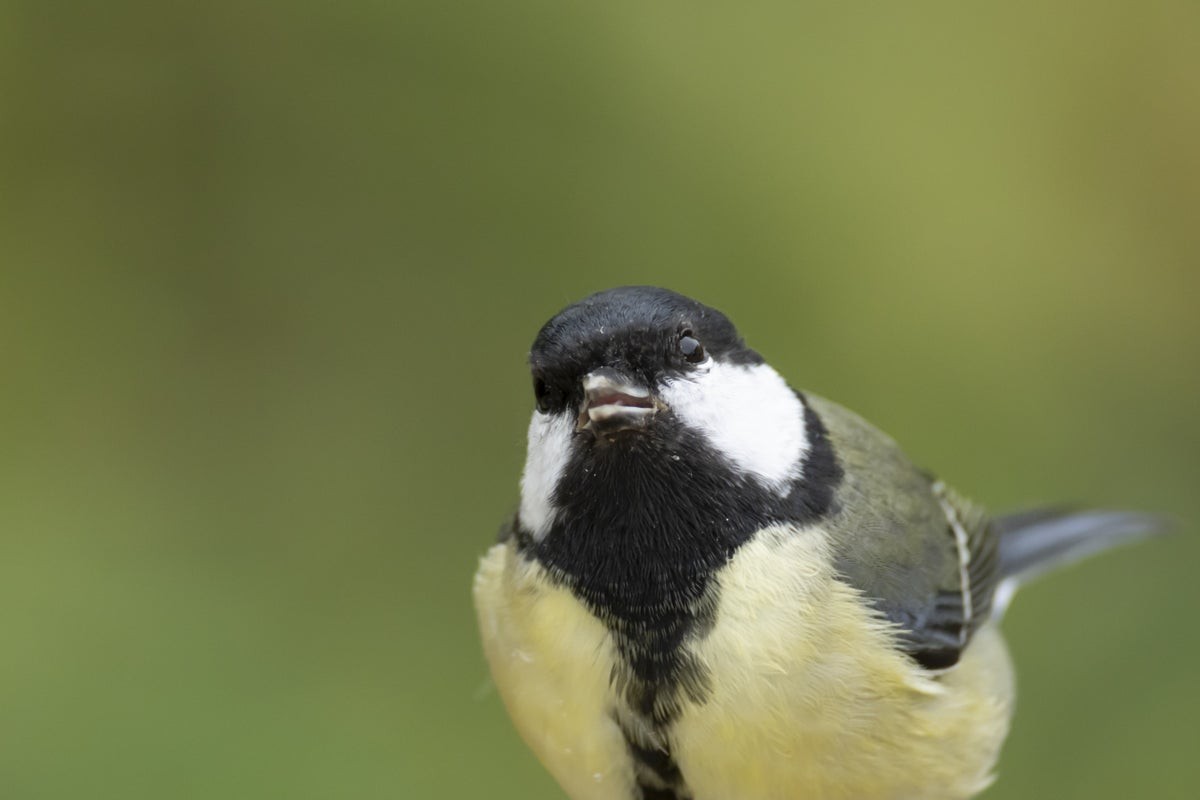
A recent study across Europe has uncovered a surprising pattern in urban wildlife behavior: many bird species appear more wary of women than men. Researchers observed that birds consistently allow men to approach more closely before taking flight, a phenomenon that remains consistent across dozens of different species.
The Study Findings
The research focused on the European Great Tit and 36 other bird species across five European countries. To test the birds’ reactions, researchers approached them to see how much distance they would permit before fleeing.
The results were striking:
– Proximity Gap: On average, men were able to get approximately one meter closer to the birds than women before the animals flew away.
– Consistency: This behavior was not influenced by the height of the person, their clothing, or their specific method of approach.
– Broad Application: The pattern held true for a wide variety of birds, from high-alert species like magpies to more relaxed birds like pigeons.
Seeking an Explanation
While the data is clear, the biological reason behind this disparity remains a mystery. The researchers have proposed several hypotheses, though none have been proven:
- Chemical Signaling: Birds may be detecting subtle chemical cues, such as pheromones, that distinguish biological sex.
- Visual Cues: Birds might be identifying human sex through physical characteristics like body shape or gait.
- Sophisticated Environmental Assessment: The ability to distinguish between different types of humans suggests that urban birds possess a highly developed ability to evaluate and categorize their surroundings to manage risk.
“We have identified a phenomenon, but we really don’t know why,” noted Federico Morelli, an associate professor at the University of Turin and co-author of the study.
Context: Patterns in the Animal Kingdom
This finding is not entirely unprecedented in the animal world. Similar patterns have been observed in mammals; for example, laboratory rats have shown higher stress levels when handled by male researchers compared to female researchers. This suggests that the ability to perceive sex-based differences is a trait found in various branches of the animal kingdom, though the specific mechanisms—whether sensory, visual, or otherwise—require further investigation.
Conclusion
While the study confirms that urban birds react differently to men and women, the underlying cause remains unknown. This discovery highlights the complex ways in which wildlife adapts to and perceives human presence in urban environments.