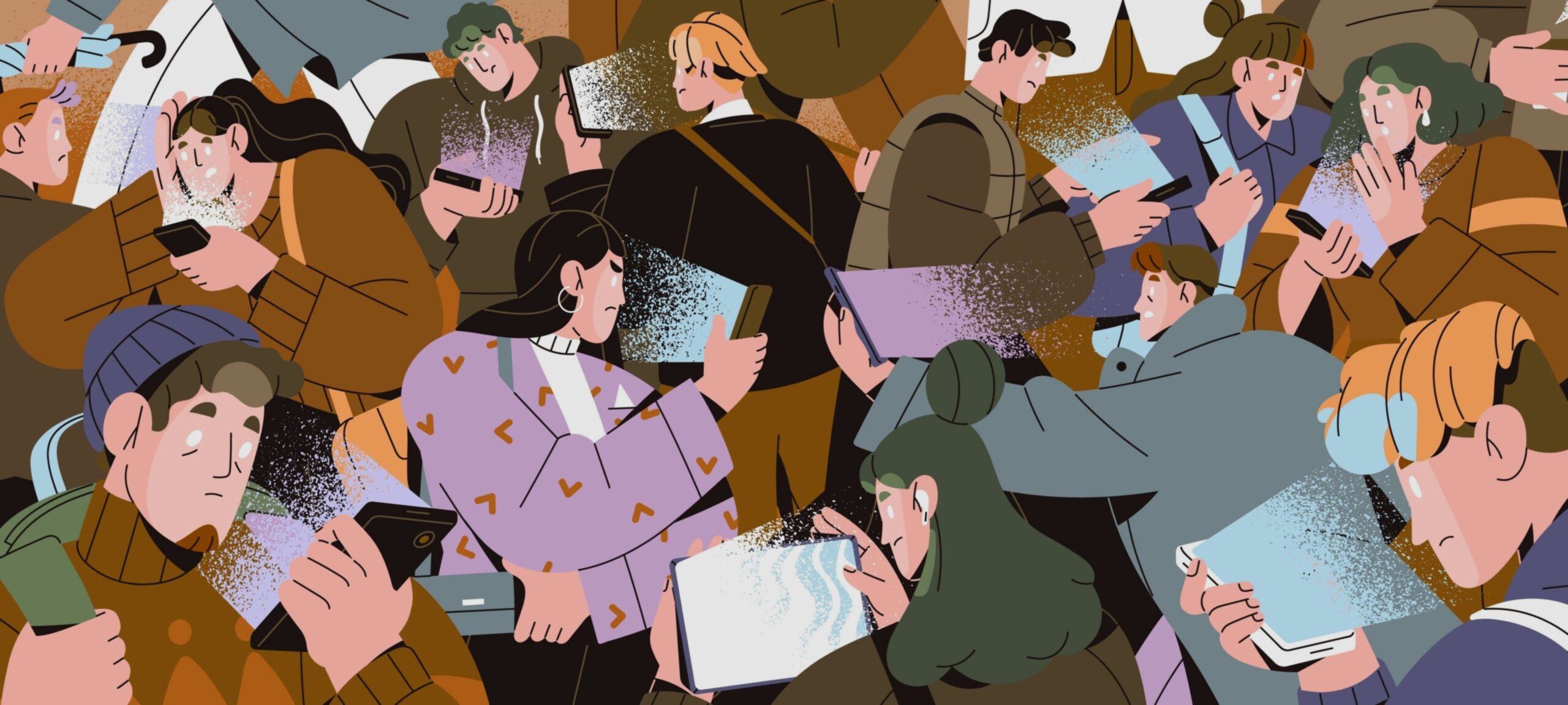
Algorithms. Filters. Endless, hollow scrolling.
That is what a California jury looked at when they handed Meta and Google the bad news. Legal experts say the verdict wasn’t just about apps; it was about negligence. Specifically, the negligence of building digital traps for tweens and teens who now spend roughly one-fifth of every day staring at a screen.
Joseph McNally knows the terrain. He used to be a federal prosecutor. Now he leads emerging tort litigation in California. He tells EdSurge that jurors bought a novel argument: these companies didn’t just build platforms. They built hazards. Instagram. YouTube. The design contributed to mental health collapse. Snapchat and TikTok paid up and went home before the gavel came down. They wanted out.
This changes things. Thousands of similar lawsuits are waiting in the wings. The legal battle over where the blame lies for crumbling youth mental health is far from done. With giants vowing to fight back, this could climb the ladder straight to the U.S. Supreme Court
The Smell of Emails
Evidence is everything. McNally points to internal emails as the turning point. These weren’t vague worries. They were alarms raised by employees inside Meta itself. Warning that beauty filters hurt teen girls. Warning that users way below the mandatory 13-plus age limit were already inside the ecosystem.
They looked the other way.
Why?
“They had a long-term benefit,” McNally says, explaining the plaintiffs’ line of attack. “Long-term value of hooking those users.”
The emails painted a company ignoring its own staff’s cries about product risks. The plaintiffs used that. They showed the jury that management knew exactly what they were doing
“The emails painted a picture of a company… and the plaintiff effectively used thoseemails to show that they knew about risk.”
Addictive By Design
Had Meta settled, courts would have sidestepped a messy legal question: Can you sue a site for how it is built, not just what people post? For decades, Section 23 of the Communications Decency Act kept tech safe. It shielded platforms from liability over user content. That was the armor.
Princess Uchekwe, a corporate attorney in New York, notes the shift. Just days before the California verdict, a New jury fined Meta $375 million for failing to protect kids. The landscape is cracking
“Lawyers were arguing it’s not the content,” Uchekwe explains. “It’s the features that make it impossible to leave.”
Scroll. Scroll. Bottomless pit. Nothing tells you to stop
The Appeal Game
$6 million. A rounding error for Meta and Google.
Yet they will likely appeal. McNally says it is a strategic move. There are thousands of lawsuits. School districts are suing too. If an appellate court decides that old protections should still apply, the floodgates might close
Section 23 has dismissed hundreds of lawsuits previously. It keeps the internet free and open, technically speaking. McNally points out the stakes: a federal appeal could land in the Supreme Court. If the high court rules Section 23 applies here, it would bar claims about design harm entirely
But failing? That hurts. Uchekwe warns it could be “almost devastating.” The cost of rethinking algorithms. Killing infinite scroll. Dying notifications. If the verdict holds, every tech company with young users has to rewrite their code. Not just social media. Everyone.
“I never think that your profit shouldcome at the expense of a generatio of people.”
Free Speech vs. Safe Space
There is another card to play. The First Amendment.
Some legal minds, including UC Berkeley professor Erwin Chemerinky, argue those “addictive” algorithms are free speech. Protected expression. If an appeal wins on this front, product liability cases freeze. Dead in the water.
McNally isn’t sure it will work, but the odds improve if the Supreme Court steps in. Overturned? The trial ends. Dismissed. Easy
The Ripple
The jury called these features “unreasonably unsafe.” That stings. It forces defendants in pending cases to prove a direct link between their app and the harm claimed. Not every plaintiff has that proof.
“Cases will move closer to settlement,” McNally predicts. But defendants will scrutinize causation. Some evidence is weaker. Some cases won’t make the finish line
Uchekwe sees a future where apps are redesigned. Less time on the platform. Less ad revenue. Less data harvesting.
It might cut into profits. Maybe not deeply enough to kill the business models, she concedes. But the choice remains. Do you build safeguards for children? Or do you keep chasing the engagement metric?
The money is there. The generation isn’t waiting