



Ілон Маск оголосив у неділю, що SpaceX тепер зосередиться на будівництві «самозростаючого міста» на Місяці, відходячи від своїх давніх амбіцій колонізувати Марс. Ця зміна свідчить про стратегічне переорієнтування компанії, яка історично будувала своє майбутнє навколо міжпланетних подорожей.
Чому спочатку Місяць?
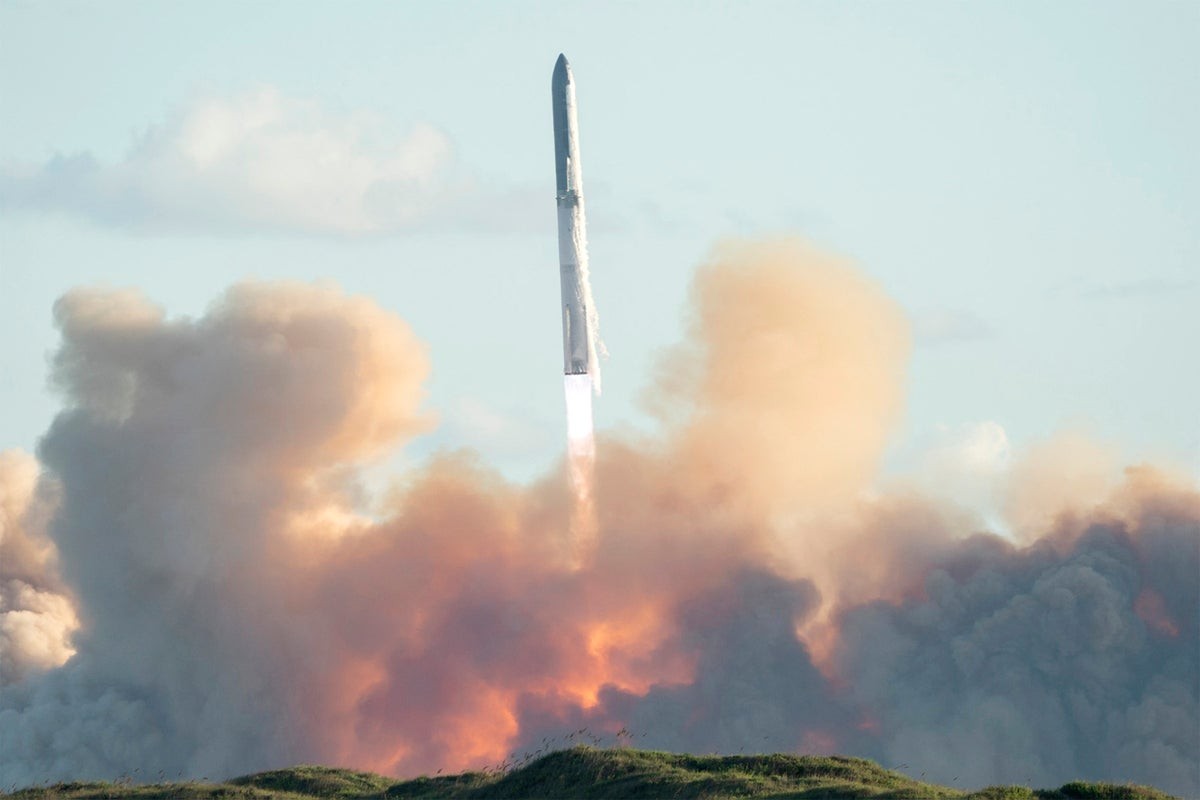
Маск заявив, що місячне місто може запрацювати протягом наступного десятиліття. Він підкреслив, що основна місія SpaceX залишається незмінною: розширення свідомості та життя за межами Землі. Проте місячний шлях зараз вважається більш ефективним для тривалого виживання. Рішення прийнято після того, як Starship, мегаракета SpaceX, призначена для місій як на Місяць, так і на Марс, стикається з неодноразовими затримками розробки. Ракета зазнала катастрофічних збоїв під час численних випробувальних польотів, що спричинило значні затримки місії NASA Artemis III, запланованої пілотованої посадки на Місяць.
Історія зміни дат
Графік Маска для колонізації Марса був гнучким. У 2016 році він передбачив посадку до 2018 року, а потім переніс її на 2022 рік. Нещодавно він націлився на запуски безпілотних кораблів Starship у 2025 році, приурочивши їх до сприятливого вирівнювання Землі та Марса, яке відбувається кожні два роки. Ці цілі не були послідовно досягнуті, що викликає сумніви щодо життєздатності перших місій на Марс. Затримки пов’язані з поточними проблемами в розробці Starship і необхідністю виконання зобов’язань перед NASA.
Зростання місячного виробництва
Цей крок SpaceX також стався після злиття зі стартапом штучного інтелекту Ілона Маска xAI і планами побудувати величезний орбітальний центр обробки даних. Маск передбачає запуск мільйона супутників з поверхні Місяця, використовуючи Starship як для транспортування, так і для виробництва в космосі. Ця синергія між штучним інтелектом, розгортанням супутників і місячною інфраструктурою представляє унікальну можливість, яку Марс наразі не може запропонувати.
Марс не покинутий
Маск уточнив, що SpaceX повернеться на Марс через п’ять-сім років. Однак він підкреслив, що забезпечення майбутнього цивілізації є головним пріоритетом, а Місяць пропонує швидший і більш практичний шлях до встановлення постійної позаземної присутності. Проблеми далеких космічних подорожей, радіаційне опромінення та дефіцит ресурсів роблять Марс довгостроковою метою.
«Головним пріоритетом є забезпечення майбутнього цивілізації, а Місяць швидше», — написав Маск.
Перехід до розвитку Місяця демонструє прагматичну зміну підходу SpaceX. Зосередження уваги спочатку на Місяці забезпечує негайний відчутний прогрес, одночасно зменшуючи ризики, пов’язані з місіями в далекий космос. Ця стратегія може прискорити експансію людства за межі Землі, навіть якщо мрія про колонію на Марсі поки що призупинена.