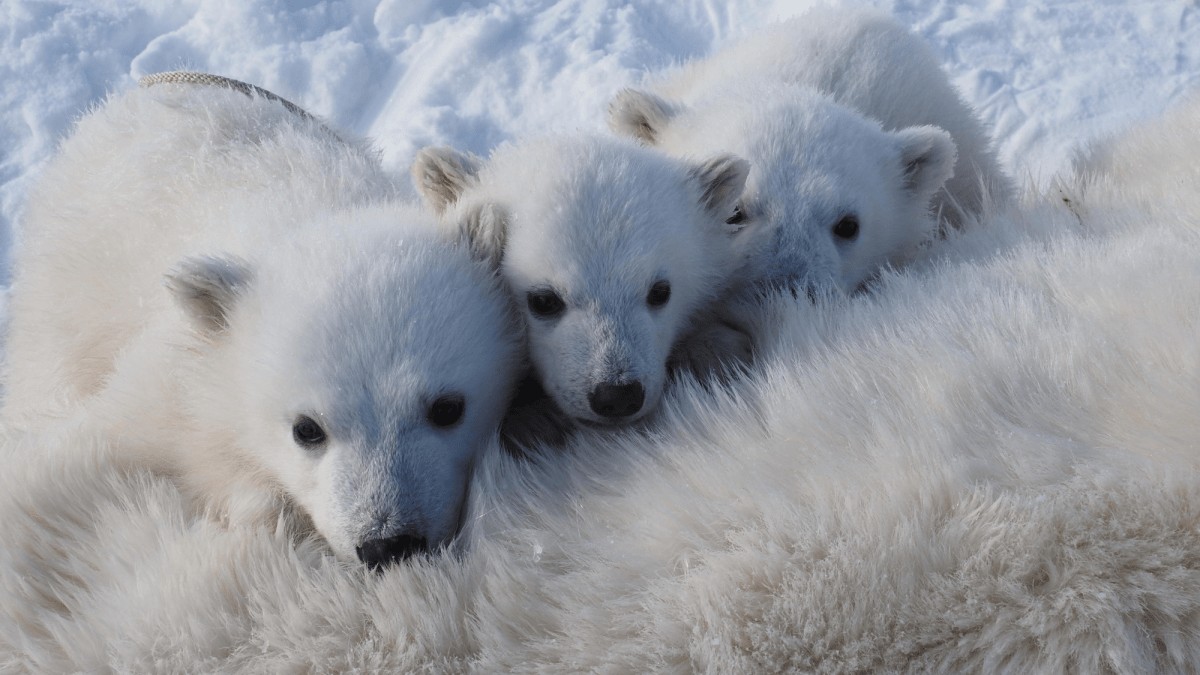
Despite alarming global trends in polar bear decline, populations in the Norwegian archipelago of Svalbard are not only surviving but improving under rapidly changing conditions. The findings, recently published in Scientific Reports, highlight a unique situation where bears are maintaining—and even increasing—fat reserves despite significant sea ice loss. This raises critical questions about how certain populations might adapt, and what it means for the future of this iconic species.
The Paradox of Svalbard
Svalbard, located between Norway and the North Pole, is a remote region facing accelerated Arctic warming. Temperatures in the surrounding Barents Sea have risen by up to 2°C (3.6°F) per decade since 1980. Yet, unlike other areas where polar bear numbers are plummeting, the Svalbard population—estimated at around 3,000 bears—has remained remarkably stable. This stability is particularly striking considering that polar bears worldwide face a projected two-thirds extinction risk by 2050 due to habitat loss.
What’s Driving the Resilience?
Researchers from the Norwegian Polar Institute analyzed nearly three decades of data (1992–2019) on 770 adult polar bears, assessing their body composition index (BCI) alongside ice-free days. The data revealed a counterintuitive trend: as sea ice diminished, the bears’ fat reserves increased after 2000.
This resilience appears linked to several factors unique to Svalbard:
- No Hunting Pressure: Polar bears have been protected from hunting in the region since 1973, removing one major threat.
- Limited Competition: The bears face minimal competition from other predators on land.
- Alternative Food Sources: Svalbard hosts thriving populations of reindeer and walrus, providing alternative prey when seals are scarce.
- Concentrated Seal Populations: Diminishing sea ice may be forcing ringed seals into smaller areas, making them easier for bears to hunt.
The Limits of Adaptation
While Svalbard bears are currently faring better than expected, researchers warn that this resilience likely has limits. Further sea ice loss could force bears to travel longer distances to reach hunting grounds, increasing energy expenditure and potentially reversing current gains. This phenomenon is already observed in other struggling polar bear populations.
“You need to study the population if you want to know how it is coping,” says polar bear ecologist Jon Aars. “You cannot extrapolate findings from other areas where things may be very different.”
The Bigger Picture
The Svalbard case demonstrates that polar bear adaptation is not uniform. Some populations may exhibit unexpected resilience under pressure, while others will continue to decline. Long-term monitoring is crucial to understanding these differences and predicting the future of this species in a rapidly changing Arctic.
The findings underscore the urgency of addressing climate change, even as they reveal the complex and often surprising ways wildlife can respond to environmental stress.