



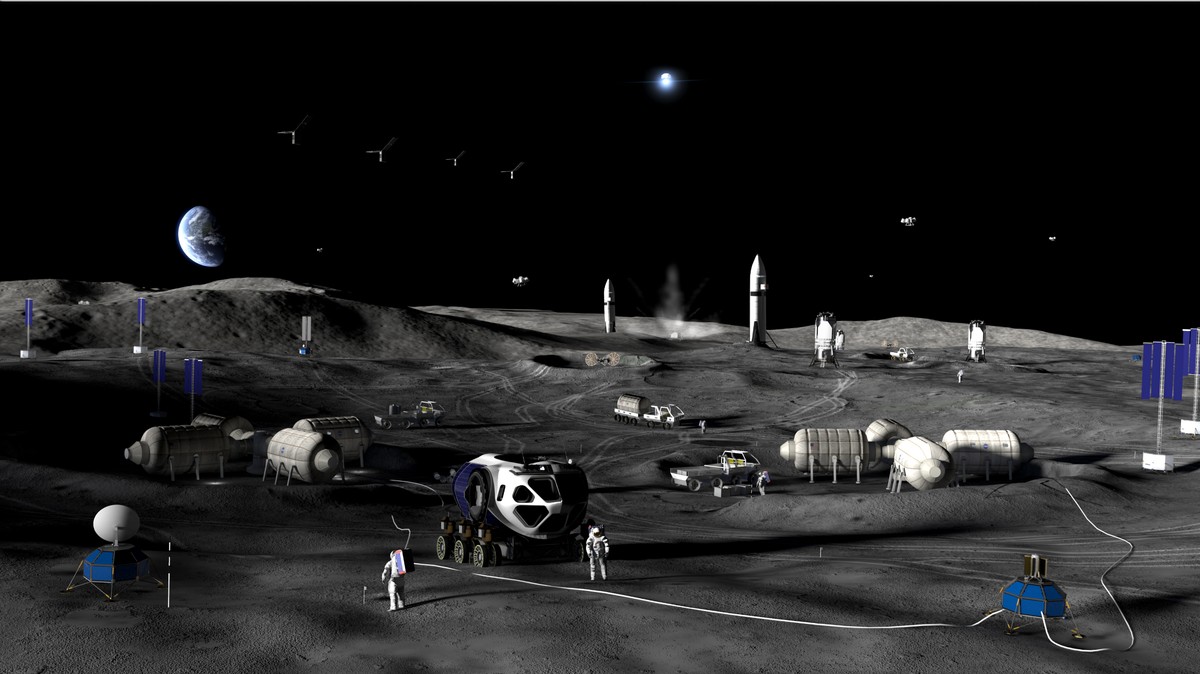
NASA совершает поворот от постепенного освоения к агрессивным усилиям промышленного масштаба, направленным на создание постоянного присутствия человека на Луне. В рамках новой инициативы, получившей название «Игнит» (Ignition), космическое агентство планирует доставить астронавтов на Луну к 2028 году и построить ядерно-энергетическую станцию к 2036 году. Эта стратегия, рассчитанная на 11 лет и оцениваемая в 30 миллиардов долларов, сильно опирается на партнерство с частным сектором и упрощенный архитектурный подход, что знаменует значительный отход от предыдущих, более медленных планов.
Стратегический поворот: от «Gateway» к «Игниту»
Необходимость срочного внедрения плана «Игнит» обусловлена указом президента, изданным в декабре 2025 года, который предписал NASA сделать приоритетом лунное исследование. Этот политический императив был усилен администратором NASA Джаредом Айзекманом, который раскритиковал прошлые усилия по освоению космоса за растрачивание миллиардов долларов и потерю лет из-за бюрократической инерции. Чтобы ускорить прогресс, NASA отказалось от проекта космической станции Gateway — планируемого обитаемого модуля на лунной орбите, разработка которого задерживалась из-за проблем с коррозией европейских модулей.
Вместо этого агентство фокусируется на стратегии прямого выхода на поверхность с тремя ключевыми этапами:
1. 2028 год: Высадка астронавтов на лунную поверхность.
2. 2032 год: Создание базы на южном полюсе Луны с ротацией экипажа каждые шесть месяцев.
3. 2036 год: Завершение строительства постоянной ядерно-энергетической станции.
Этот план требует колоссальных логистических усилий: 79 запусков, 73 посадочных модуля, 10 лунных вездеходов и 12 беспилотных аппаратов-перелетчиков («хопперов»). Карлос Гарсия-Галан, руководитель программы лунной базы NASA, описывает эти усилия как «очень амбициозные» по своей природе. Цель заключается не просто в высадке, а в создании устойчивой «экосистемы» инфраструктуры.
Почему именно южный полюс Луны?
Выбор южного полюса Луны в качестве основного места базирования продиктован как научным потенциалом, так и доступностью ресурсов.
- Водный лед: Постоянно затененные кратеры в этом регионе действуют как «холодильные ловушки», сохраняя водный лед от кометных ударов. Этот лед критически важен для поддержания жизни и производства ракетного топлива.
- Геологическая история: Массивное столкновение 4,3 миллиарда лет назад создало бассейн Южный Полюс — Эйткен, один из крупнейших кратеров в Солнечной системе. Это место предлагает уникальную запись истории ранней Земли и Солнечной системы.
- Энергетические вызовы: Рельеф здесь суров: гребни кратеров получают постоянный солнечный свет (идеально для солнечной энергии), в то время как их глубины остаются во вечной тьме (идеально для добычи ресурсов).
Однако это местоположение ставит перед инженерами серьезные задачи. Рельеф шероховат и сильно кратерирован, в отличие от более гладких областей «морей», использовавшихся во времена программы «Аполлон». Кроме того, лунный южный полюс стал геополитической точкой напряжения. С тем, что 66 стран, включая Ирландию, подписали Соглашения «Артемиды» (Artemis Accords), разрешающие использование космических ресурсов, эксперты предупреждают о потенциальной «золотой лихорадке», которая может подорвать научную целостность этих нетронутых мест.
Инженерные препятствия и частные партнерства
NASA обращается к коммерческому космическому сектору, чтобы преодолеть технические узкие места. Агентство выпустило конкурсный вызов компаниям SpaceX и Blue Origin на разработку рабочих лунных посадочных аппаратов.
- SpaceX: Испытывает удлиненную версию своей ракеты Starship, которая должна стать основой для лунного посадочного модуля.
- Blue Origin: Готовится посадить ровер VIPER на южном полюсе позже в этом году, тестируя свой лунный посадочный аппарат Mark I.
«С какой бы посадочной системой мы ни смогли начать работу, с той и продолжим», — говорит Лори Глейз, и.о. заместителя администратора NASA по системам исследования.
Несмотря на эту конкуренцию, сохраняются значительные риски. В XXI веке успешными оказались только половина попыток беспилотной посадки на Луну. Недавние неудачи, включая сгибание ноги у посадочного аппарата миссии Intuitive Machines IM-1 при посадке в 2024 году и крушение японского аппарата в 2025 году, подчеркивают сложность навигации по рыхлой, острой лунной реголиту (пыли и камням).
Ключевые технические проблемы включают:
* Лунная пыль: Электростатически заряженная пыль прилипает ко всему, засоряя датчики и изнашивая оборудование. Она также ухудшает видимость и может раздражать глаза астронавтов.
* Навигация: Традиционные компасы на Луне не работают. NASA планирует полагаться на земные спутники GPS и Galileo для навигации.
* Тяга и строительство: Низкая гравитация затрудняет роверам получение достаточного сцепления для перемещения камней или строительства защитных валов. Инженеры изучают возможность использования более простых, короткоживущих роверов вместо сложных аппаратов длительного действия, чтобы сократить затраты и время разработки.
Скептицизм и риски графика
Эксперты по космической политике проявляют осторожность в отношении целевой даты посадки 2028 года. Венди Уитман Кобб, профессор стратегии и исследований безопасности, отмечает, что первоначальный план «Артемиды» не уложился в срок 2024 года, что вызывает сомнения в выполнимости новых графиков.
«Здесь много „если“… и времени никогда не бывает достаточно».
Критические зависимости включают:
* Успешное тестирование коммерческих посадочных аппаратов, что требует значительного частного финансирования.
* Разработка лунных скафандров нового поколения компанией Axiom Space, которая в настоящее время отстает от графика.
* Освоение «ритма» — способности часто и надежно запускать и высаживать активы.
Джон Хорак, профессор аэрокосмической политики, сравнивает план «Игнит» с первоначальным экспедицией Льюиса и Кларка: это стартовая ставка, которая, вероятно, потребует адаптации по мере возникновения новых вызовов. План служит «маркетинговым исследованием» для оценки возможностей отрасли и выявления оставшихся технических пробелов.
Заключение
План «Игнит» NASA представляет собой смелую попытку трансформировать лунное исследование из серии изолированных миссий в устойчивую промышленную операцию. Используя частную индустрию и упрощая свою архитектуру, агентство надеется преодолеть прошлые задержки и технические препятствия. Однако амбициозный график опирается на непроверенные технологии и безупречное исполнение в враждебной среде, что делает ближайшие годы критически важными для определения того, сможет ли человечество действительно закрепиться на Луне.