The numbers don’t look good. Not anymore.
Global math scores reveal a trend that should disturb everyone. Girls are falling behind. Hard. And fast.
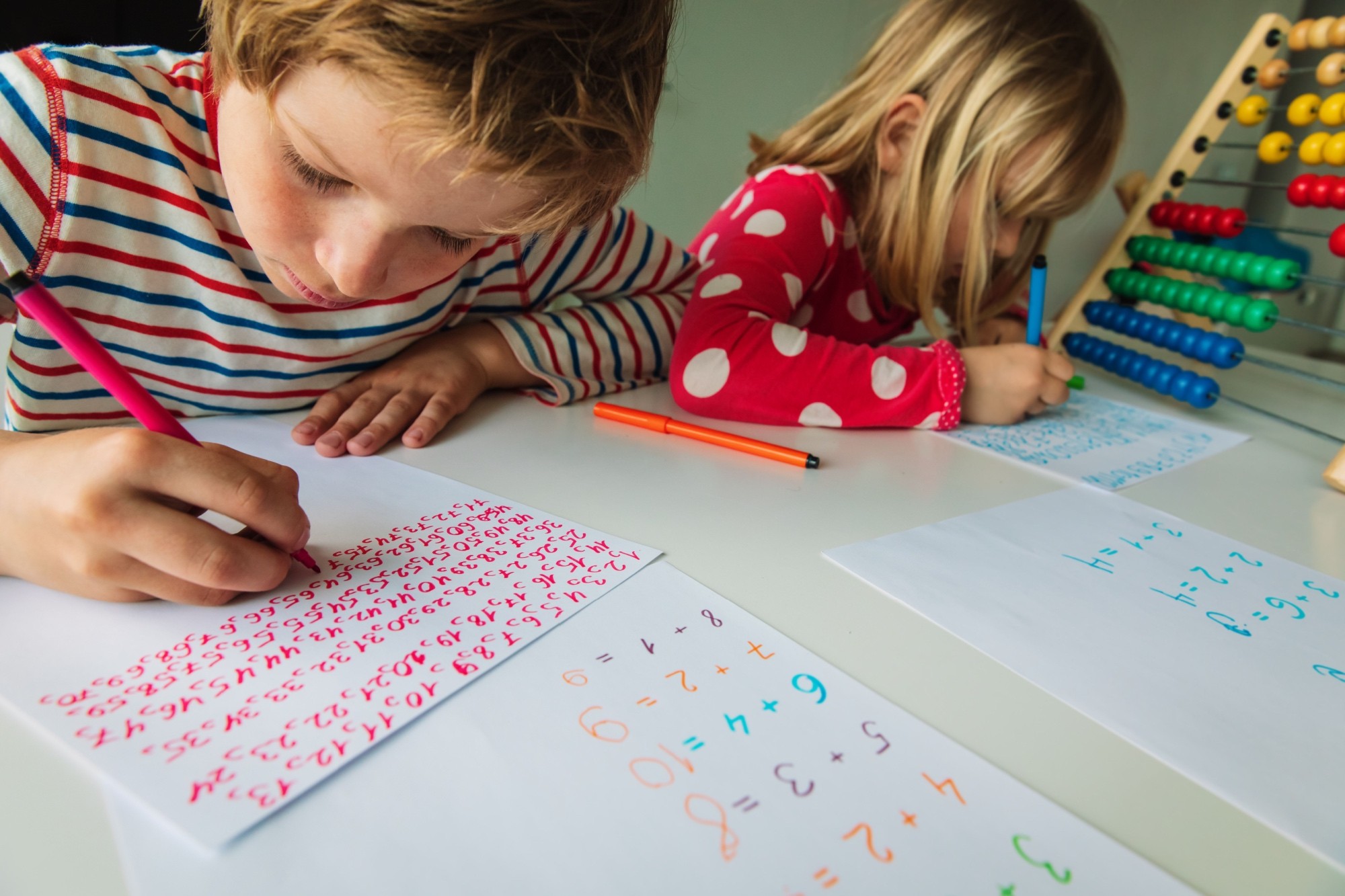
In 2023. Fourth-grade boys crushed their female classmates in most countries. It wasn’t a close race. It widened a gap that barely existed before the pandemic hit. Even worse. Among eighth-graders, boys started outperforming girls at an exponential rate since 2019. We are rolling backward. Over a decade of progress? Gone.
Matthias Eck. Program specialist at UNESCO. He says the data was looking up. Girls were catching up.
“But in the latest data, we see that gap is widening again… which is quite concerning.”
The US saw similar trends. The Nation’s Report Card hinted at this last year. But this is global.
The study comes from TIMSS. The Trends in International Mathematics and Science. Measuring fourth and eighth graders. Every four years. Partnered with the International Association for the Evaluation of Educational Performance.
Losing Ground
This is the first data set after the pandemic started. And the damage is clear.
In fourth grade, top-tier math results skewed 85 percent toward boys across the countries tested. In eighth grade? Just over half of all reporting regions have a significant advantage for boys. None. Zero. Favor girls. Not in fourth grade. Not in eighth.
Why? Eck has a theory. Long school closures. More learning loss. Disruptions didn’t hit everyone equally. They likely widened existing disparities. Girls at risk of low achievement took the hardest hit. Being out of school changes you. Maybe it hurt confidence. Just a hypothesis.
But the bottom end is worse.
The gap is growing for students failing to reach basic proficiency. In fourth grade. Girls are struggling more than ever before. In eighth grade, the gap for underperformers is shrinking? Technically. But the number of places where girls fail more than boys is skyrocketing.
Researchers hesitate. Causality is tricky. Stereotypes matter though.
Eck says boys and girls are equally capable. The outcomes change. Because of stereotypes. Teacher expectations. All rooted in the same bias.
Hard Choices
UNESCO wants action. They want education systems to audit their equity strategies. Especially for the little ones.
Math isn’t just a subject. It’s a key. It opens doors to STEM careers. Those fields drive innovation. Tech. Growth. If girls are locked out. We lose talent. Big time.
So how do we fix it?
There isn’t a simple switch.
It needs national policy. Local communities. Families. Classrooms. You have to tear down the stereotypes. The ones telling girls they aren’t “math people.”
The window is small.
Eck points to fourth grade. Ages nine and ten. The gap starts there.
“Action must start quite early… and be very targeted.”
If we wait. It’s too late. We might need to rethink what math confidence even means for a nine-year-old girl in a world that still tells her she’s different.
Maybe she is.
But the math doesn’t lie.