



Традиційне уявлення про падіння Західної Римської імперії – це історія насильницького краху: “зіткнення цивілізацій”, де німецькі племена, спустившись з півночі, зруйнували складні римські структури півдня. Однак новаторські генетичні дослідження починають переписувати цю історію, припускаючи, що замість суто руйнівного завоювання цей період ознаменувався несподіваною соціальною інтеграцією та культурним злиттям.
Новий погляд крізь призму стародавніх геномів
Недавнє дослідження, опубліковане в журналі Nature, ставить під сумнів давній образ «німецьких орд», що протистоять римській цивілізації. Аналізуючи людські останки, дослідники виявили докази того, що ці етнічні групи не просто ворогували, а почали зливатись, формуючи нові, більш космополітичні спільноти вздовж кордонів імперії.
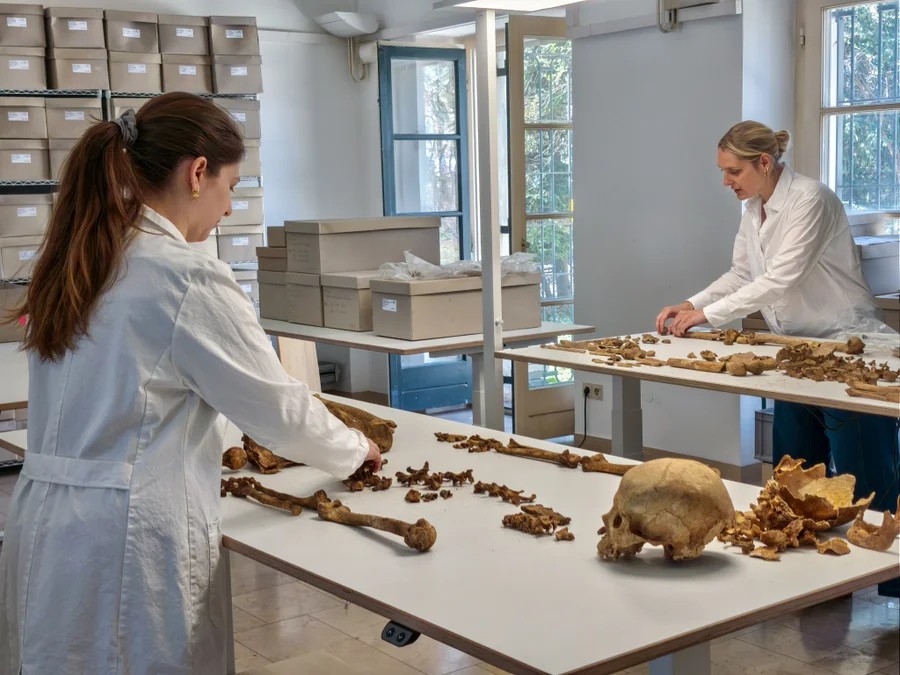
Дослідницька група під керівництвом антрополога та популяційного генетика Йоахіма Бургера з Університету Йоганна Гутенберга в Майнці проаналізувала 258 стародавніх геномів, знайдених у місцях поховань на території сучасної південної Німеччини. Ці останки відносяться до ключового періоду між 400 і 660 гг. н. е.**, що охоплює падіння Західної імперії у 476 році н. е.
Механізми інтеграції
Генетичні дані вказують на явний зсув у способі життя та взаємодії людей:
- Два чітких походження: Дослідники виділили два основних генетичних профілю. Перша група складалася з колишніх римських солдатів, що носили ДНК Італії, Південно-Східної Європи та Балкан. Друга група складалася з місцевого населення, чиї предки походили з Північної Німеччини, Данії та Нідерландів.
- Від відособленості до синтезу: Найдавніші геноми в дослідженні показують, що до падіння Риму ці дві групи жили відносно відокремлено. Однак після краху імперії ДНК демонструє виражену тенденцію до міжетнічних шлюбів і створення спільних сімейних структур.
- Культурний сплав у похованнях: Це біологічне змішання супроводжувалося формуванням загальної культурної ідентичності. У дослідженні відзначається поширення «рядних цвинтарів», де могили розташовані ідеально рівними паралельними лініями. Хоча такий стиль поховання зародився у північних німецьких груп, соціальна структура цих цвинтарів — зокрема акцент на моногамії та нуклеарній родині — очевидно, є прямою спадщиною римської традиції.
Чому це важливо: наступність Пізньої античності
Це відкриття має значення, оскільки воно змінює наше розуміння переходу від римської епохи до раннього Середньовіччя. Замість раптового наступу «темних століть», коли весь прогрес нібито зник, наявні докази вказують на «трансформацію», а не на повний розрив.
«Пізня античність насправді закінчилася; вона просто трансформується в нове суспільство — менш урбанізоване та аграрніше», — каже Йоахім Бургер.
Результати показують, що римські соціальні цінності, такі як сильна зосередженість на тісних родинних зв’язках, не зникли разом із політичними кордонами імперії. Навпаки, вони були поглинені німецькими товариствами, що зароджуються. Цей рівень «спорідненої інтенсивності» унікальний; як зазначає професор Тоомас Ківісільд з Левенського католицького університету, в інших постримських регіонах, наприклад в Англії, у похоронних традиціях не спостерігається такого ж високого ступеня концентрації сімейної близькості.
Висновок
Падіння Римської імперії було не просто історією стін, що завалилися, і завойованих територій, а складним процесом соціального та біологічного синтезу. Злиття римських та німецьких ліній створило нове, гібридне суспільство, яке перенесло культурну ДНК імперії у середньовічний світ.