It’s simple really.
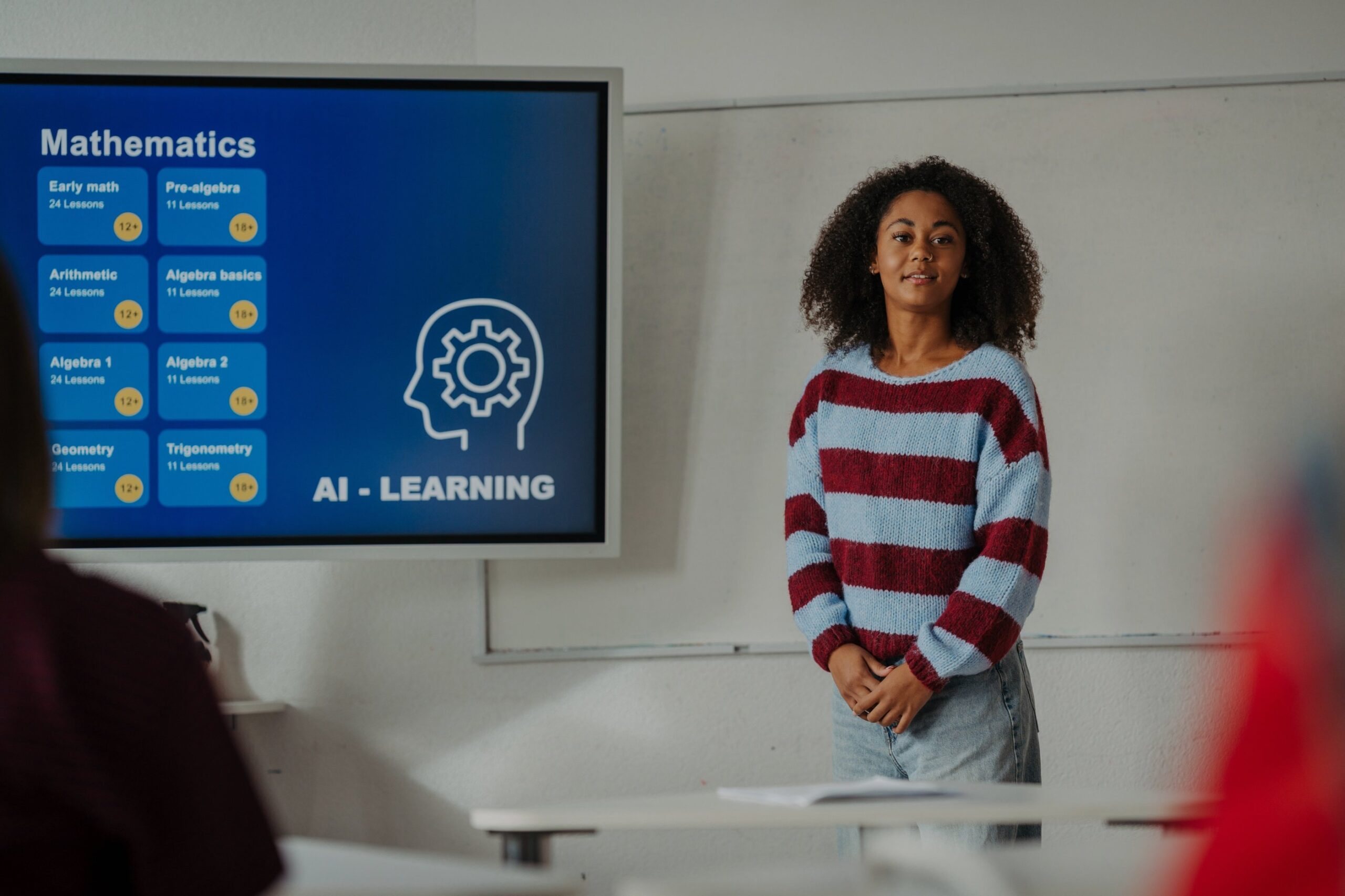
One fourth-grade teacher just wanted to know what AI does for her math class.
That’s the whole story.
While tech blogs scream about disruption, classrooms sit quiet. Adoption isn’t fast. It’s not slow. It’s picky. We call it indifference in the research, but that word feels lazy. It’s more like a shrug.
“What can I actually use this for?”
That’s the question echoing through schools. Not fear. Not excitement. Just a hard look at the tool.
Magic Is Scary
Teachers remember Arthur C. Clarke. Advanced technology looks like magic. And magic is dangerous when you don’t know how the trick works.
A Georgia computer science teacher put it bluntly. Parents and kids see AI as witchcraft. It appears. It speaks. We don’t ask where the answer comes from. We just nod.
Schools usually test tools slowly. Pilot programs. Training. Rules.
AI skipped all that. It jumped into laptops while admins were still drafting the Wi-Fi policy. Educators are trying to learn the tool and manage its consequences at the same time.
Can you blame the hesitation?
The Admin Hack
So why use it at all?
One New Jersey engineering teacher uses it for the stuff no one reads. Administrative reports. Lesson plans for show. AI spits them out instantly. He doesn’t use the plans. He files them. Problem solved.
Others do the same. Newsletters. Drafting summaries. Grading scaffolds.
It works for workload. It does not work for brains.
RAND data backs this up. Teachers use AI for productivity, not for teaching. It’s a copilot for bureaucracy, not for pedagogy.
“It’s great that so many have scratched the surface… using it to support their productivity.”
But lesson planning isn’t the heart of the job.
Teaching the Machine, Not the Subject
What happens in the room with the kids?
Very little. And that’s deliberate.
A Guam science teacher lets AI edit drafts but bans it from research. Why? Because the struggle is the learning. If you skip the hard part, you skip the lesson.
Some teachers strip the magic. They break the chatbot on purpose. They show kids the data is bad because the training was bad. The output reflects the input. Garbage in, garbage out.
UNESCO and the OECD agree. Literacy first. Tools second.
A New York elementary teacher treats it like this. Prompt. Generate. Fact-check. Spot the bias.
A middle schooler made peanut butter sandwiches. The recipe was the algorithm. The ingredients were the data. The result? Depends on how you built it.
AI isn’t a teacher. It’s a case study.
Lies and Bias
Teachers don’t trust it.
A French teacher says AI is only useful if you already know the answer. If you’re guessing, so is the AI. And the AI is confidently wrong.
“It makes something up totally imaginary.”
Then there is bias. Real bias. The kind that affects hiring, policing, and facial recognition. A New Jersey teacher notes this sharply. Her students include Black and Latino communities who bear the brunt of algorithmic error.
They see AI not as a helper but as a mirror of societal flaws.
Who trusts a tool that doesn’t know its own limitations?
The Shrugs Get Louder
Look at the pattern.
“I use it for planning. But I don’t use the lessons.”
“I tell kids not to research with it.”
This isn’t resistance. It’s boundary setting.
Schools are built for friction. Reading hard texts. Writing until your fingers cramp. Reasoning through dead ends. That friction builds mental muscle. AI smooths the edges.
Remove the friction and the muscle stays weak.
So where does that leave us?
Back to the fourth-grade math teacher. She wants to teach math. AI offers tricks. She ignores the tricks.
If the tool doesn’t solve the problem of learning math…
Why are we pretending it does?