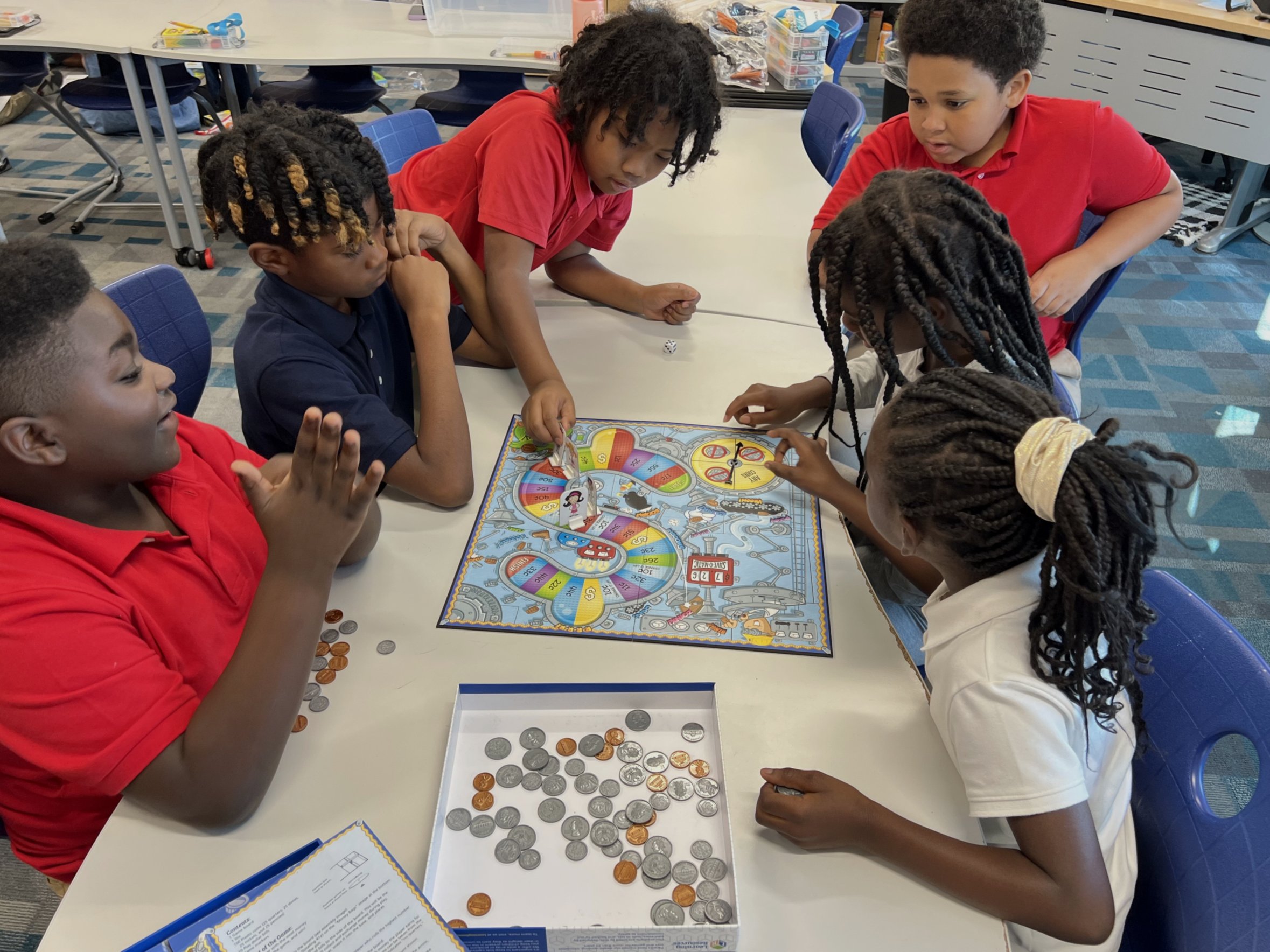
Third graders in Charleston gather around a board game. Not Monopoly. Not Sorry. These are tactical drills designed to expose strengths. And weaknesses. It is part of a wider shift in how districts identify “gifted” students.
Forget the small clique of high-achievers. That era is fading. Teachers nationwide are chasing inclusion now. Using data to pinpoint talent, rather than just handing out labels.
Vanessa Hill sees it as a demographic necessity. She coordinates gifted education for Amphitheater Public School in Tucson, Arizona. Her problem? The identification metrics never match the district’s reality.
“Something I’ve been thinking deeply about… is that gifted identification does not match your district,” Hill says. “This new tactic is about exposure to critical reasoning. What does it look like?”
Redrawing the “Gifted” Map
Program names change. Advanced Learning. TAG. LEAP. REACH. The acronyms matter less than the method. Decades ago, schools picked students via teacher recommendation or involved parents. That bred inequality. White and Asian kids filled the rooms. Other kids were left out.
Now? Universal screening is taking over. Washington and Missouri mandated testing all elementary students. IQ tests gave way to aptitude assessments. Are those more accurate? Debatable.
Scott Peters from NWEA cuts through the noise. He notes society is deeply unequal along racial and socioeconomic lines. The tests reflect that gap. You cannot give some kids preschool worth forty thousand a year and wonder why the unenrolled kid struggles later.
“Society is really unequal… these tests are just reflecting that.” – Scott Peters
Zohran Mamdani went further. The New York City mayor platformed the end of gifted programs. He wants universal high-quality early education instead. Curiosity nurtured, not hoarded.
Peters argues that controlling for income and race often closes the test-score gap. It’s not that students of color score high but get rejected. They don’t score high enough due to systemic barriers. So schools are pivoting. Toward “talent development” for everyone.
Kristen Seward at Purdue University calls it a new perspective. Stop identifying people for programs. Start identifying strengths in students. Academic, social, emotional. It helps everyone.
Data-Driven Talent Scouting
How do you do it? Teachers act as scouts. Elizabeth McLaurin Uptegrove created a system in Charleston based on “stretch or support.” Games. Data. Grouping.
Charleston used a nomination system. Uptegrove called it elitist. White, affluent children were three times as likely to qualify. She pushed for universal fourth-grade testing. The numbers jumped. From 40 kids to 150.
The game system breaks aptitude into verbal, quantitative, and nonverbal slices. Kids get grouped by ability. They play games to sharpen those specific skills. Worksheets are boring. Games make rigorous thinking irresistible.
“It’s the magic of games,” Uptegrove says. Students engage longer. They actually want to do the hard thinking.
Hill adopted this strategy in Tucson across five schools. Some were Title 1, struggling districts. The result? Higher proficient rates than schools without the program. It turns passive learners active.
“It’s about being active,” Hill explains. Skills transfer to the playground or a standardized test.
Cost and Reality Checks
Nothing is perfect. The talent development model costs money. Buying games. Training teachers. Pulling staff away from testing time.
Hill acknowledges four schools in her district closed last year due to finances. “Ordering the games is no small thing,” she says. Yet the core curriculum feels too surface-level sometimes. This fills a hole.
Uptegrove agrees the method is growing but lacks widespread funding belief. Peters warns that a 30-minute program isn’t a pipeline. Schools need continuous support from second through eighth grade. Advanced learning just isn’t the priority it needs to be yet.
We are moving toward exposure, away from exclusivity. Whether the funding will follow the philosophy remains to be seen. The games keep rolling, regardless.