


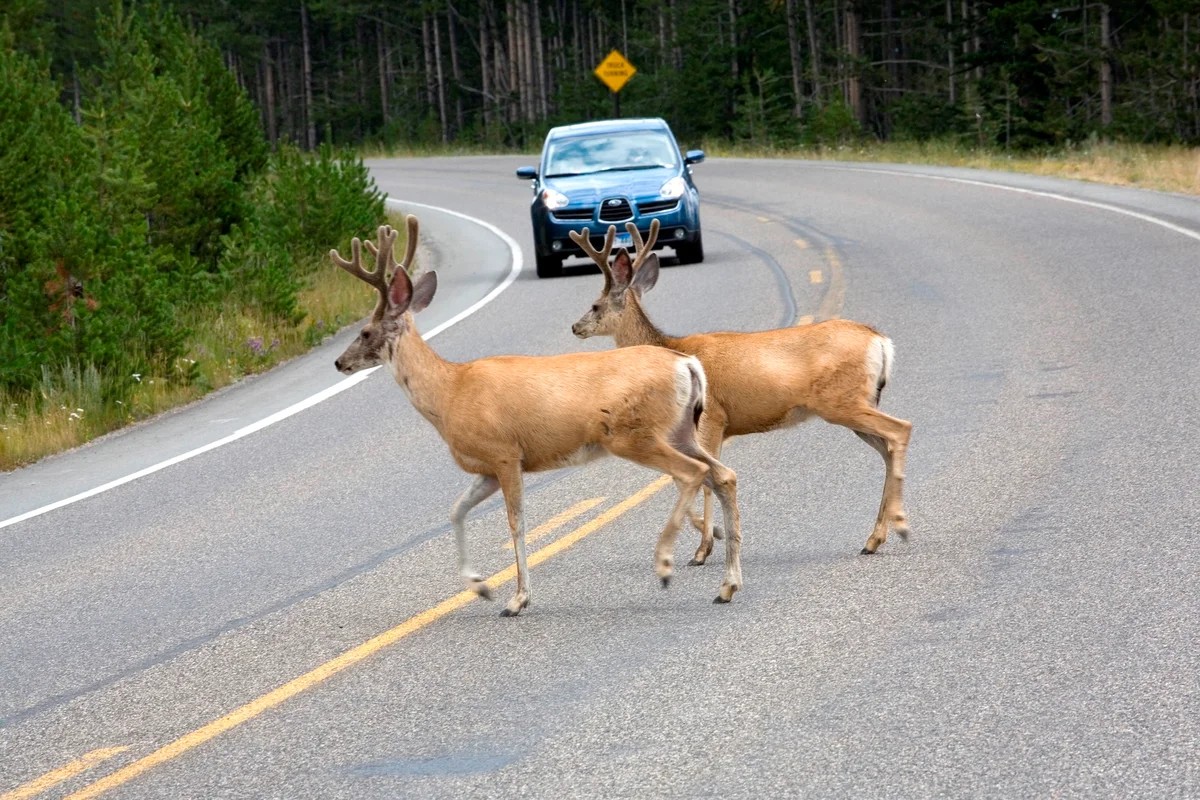
Дорожній дохл — тварини, які загинули під колесами транспортних засобів — похмура реальність сучасного життя, але водночас це напрочуд цінний ресурс для наукових досліджень. Від відстеження ареалів поширення видів до етичного отримання біологічних зразків, дослідники все частіше звертаються до жертв доріг, щоб відповісти на важливі питання в галузі екології, збереження природи та моніторингу захворювань.
Розквіт досліджень дорожнього дохла
Кріста Бекманн, еколог дикої природи з RMIT University в Австралії, вперше помітила цю тенденцію, вивчаючи харчові звички хижих птахів. Вона збирала мертвих жаб з автомагістралей, щоб спостерігати, які види віддають перевагу птахам, відзначаючи сліди, залишені в лотках з піском, розміщених поруч із тушами. Її цікавість переросла в нещодавній огляд літератури, в якому було виявлено понад 300 досліджень, що використовували дорожній дох, від базових інвентаризацій видів до новаторських відкриттів.
Ця практика не нова, та її визнання як законного наукового методу зростає. Дослідники виявляють, що дорожній дох може дати уявлення про анатомію тварин, поширеність захворювань і поширення інвазивних видів – навіть призводячи до виявлення абсолютно нових видів, таких як черв’яга в Бразилії та гризун в Індії.
Етичний збір зразків для наукових досліджень
Ключовим аргументом на користь використання дорожнього дохла є його етична перевага перед традиційними методами. Дослідники все більший тиск зазнають, щоб мінімізувати шкоду живим тваринам, і дорожній дох пропонує спосіб отримання тканин і зразків без відлову або евтаназії диких тварин. Як каже Бекманн: «[Дорожній дохл] – фантастичне етичне джерело зразків».
Цей підхід відповідає ширшому руху до скорочення використання тварин у дослідженнях, замінюючи живі зразки, коли це можливо. Хоча це й не ідеально, використання вже мертвих тварин є більш відповідальним альтернативним варіантом у багатьох випадках.
Загальна картина: Дороги як екологічні пастки
Поширеність дорожнього дохла підкреслює похмурішу реальність: самі дороги є екологічними пастками. Дослідження 2016 показало, що 20% глобальної площі суші знаходиться в межах одного кілометра від дороги, і ця цифра зростає. Фрейзер Шиллінг, директор Центру дорожньої екології Університету Каліфорнії в Девісі, прямо описує дороги як «масивні мережі, по суті, гільйотин».
Мільйони тварин гинуть на дорогах щороку, але цю шкоду можна використовувати в наукових цілях. Шилінг підкреслює, що дорожній дохл слід використовувати лише тоді, коли він замінює потенційно шкідливі методи відбору проб. Основна мета залишається незмінною: запобігти цим смертям насамперед.
Цінність дорожнього дохла як наукового ресурсу підкреслює парадокс: у той час як дороги становлять серйозну загрозу для дикої природи, в результаті загибелі можна зробити свій внесок у наше розуміння та зусилля щодо збереження природи. Дослідники сподіваються, що шляхом максимального користі від цих неминучих смертей, вони зможуть виправдати похмуру реальність і просувати більш етичні дослідницькі практики.