


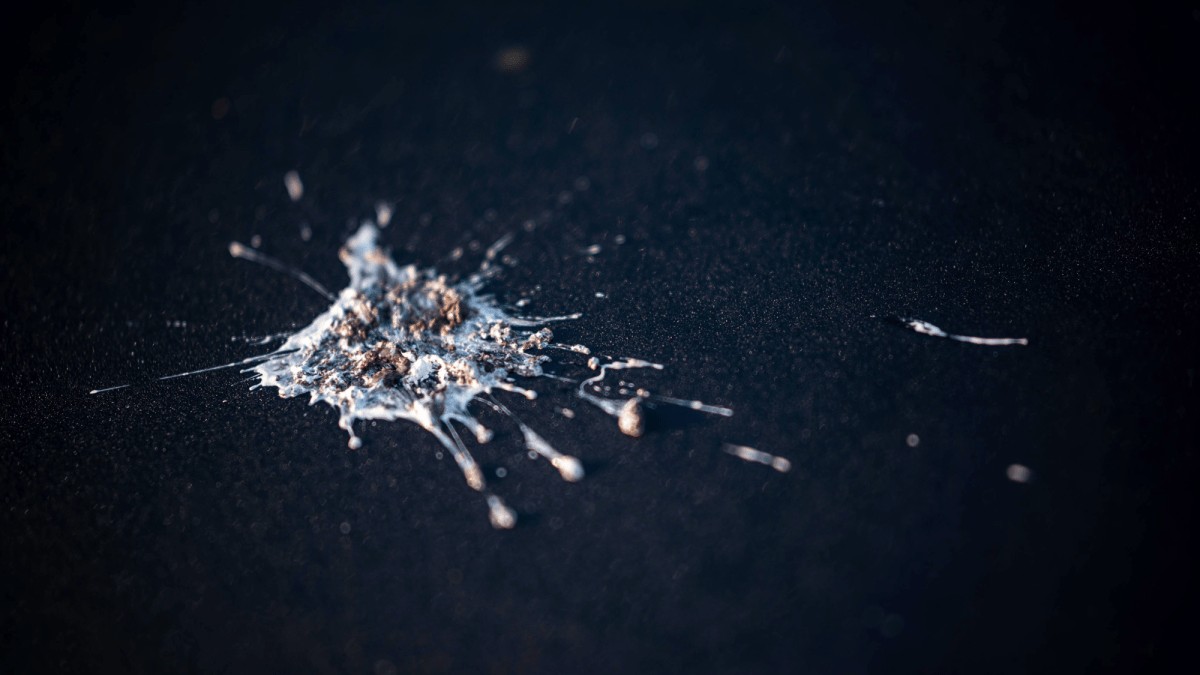
Успіх стародавніх цивілізацій часто залежав від добре відомих факторів — військової могутності, інфраструктури та торгових мереж. Однак останні дослідження виявили несподівано непривабливий, але вирішальний компонент процвітання імперії Чінча до інків (1000–1400 рр. н. е.): пташиний послід, більш відомий як пташиний фекалій.
Сила старовинних добрив
Імперія Чінча, яка процвітала на території сучасного південного Перу, зрештою була поглинена Імперією інків без конфлікту. Дослідження, опубліковане в журналі PLOS One, показує, що їхня економічна основа була побудована на високоефективному природному добриві: пташиному посліді. За словами провідного автора Джейкоба Бонгерса, цифрового археолога з Сіднейського університету, добриво зіграло важливу роль у збільшенні врожайності кукурудзи та розширенні торгових шляхів.
«Доіспанські громади на півдні Перу використовували пташиний послід для вирощування кукурудзи принаймні 800 років тому… що дозволило місцевим громадам підвищити врожайність і розширити торгові мережі».
Як це працювало: багата азотом перевага
Дослідники проаналізували консервовані качани кукурудзи та виявили надзвичайно високий вміст азоту, що вказує на використання гуано. Морські птахи, які харчуються морською їжею, виробляють багаті азотом екскременти, які ідеально підходять для збагачення сільського господарства. До 1250 року нашої ери імперія Чінча, ймовірно, транспортувала гній із сусідніх островів Чінча.
Екологічні знання та культурне значення
Важливість гуано підтверджується археологічними та історичними даними. Кераміка, текстиль і різьблення на стінах зображують морських птахів, риб і кукурудзи, демонструючи глибоке розуміння Чінчою світу природи. Співавтор Джо Осборн, антрополог-археолог з Техаського університету A&M, стверджує, що це був не просто процес видобутку, а культурний процес:
«Їх унікальний світогляд, який включав шанобливе ставлення до островів і глибоку повагу до птахів, які виробляють гній, дозволив їм стабільно управляти життєво важливими ресурсами… що сприяло їхньому процвітанню та, зрештою, сприяло їхній успішній інтеграції в імперію інків».
Успіх Чінча полягав не лише у використанні гуано, але й у розумінні його ролі у більшій екологічній системі. Ця інтеграція знань у суспільство сприяла їхньому зростанню та подальшій асиміляції в імперії інків.
На завершення, процвітання імперії Чінча підкреслює часто недооцінену роль природних ресурсів і екологічної обізнаності у формуванні стародавніх цивілізацій. Ця історія служить нагадуванням про те, що навіть найнесподіваніші елементи, такі як пташиний послід, можуть відігравати важливу роль у піднесенні та падінні імперій.