We think we know isolation. Sixteen months of masks and empty restaurants burned the concept of social distancing into our brains. We remember the rules. We followed them. But that? That was a walk in the park compared to what eighteen Americans are facing right now.
Hantavirus doesn’t just want you to stay away. It demands total containment.
Jake Rosmarin is one of them. He’s a Boston-based traveler, someone who’s logged all seven continents. A pro at this whole globe-trotting thing. So when the Oceanwide Expeditions cruise on the MV Hondius turned from a dream run to a nightmare, the shock wasn’t from the location—it was the protocol.
The ship visited remote islands in the South Atlantic. South Georgia. Tristan da Cunha. Places with no cell service and fewer doctors. Then people got sick. People died.
Now Jake is in Omaha, Nebraska. An airtight room in the National Quarantine Unit. Forty-two days. Mandatory.
He can’t open a window.
It’s wild when you think about it. During COVID, we could step outside. Breathe. Walk the dog. Here, fresh air is a privilege granted by a ventilation system. Not a window. No window.
The Turning Point
How did it go from “expedition” to “biohazard zone” so fast?
Jake had a partnership with Oceanwide. He pitched an “Atlantic Odyssey.” March 29th, he flies out. April 1st, departure. It sounded perfect. Remote islands, good stories, nice photos.
The first death hit in the night.
When you lose a passenger, your mind doesn’t jump to hantavirus. Hantavirus is rare. The Andes strain is even rarer. Who worries about a rodent-borne hemorrhagic fever on a cruise to Saint Helena? No one.
Then another passenger died. His wife, presumably from heartbreak. Still suspicious, but manageable.
Then a third. Then a fourth.
That’s when the math didn’t work for bad luck anymore.
The crew didn’t know. The World Health Organization stepped in. Governments panicked. By the time test results flew back from Johannesburg, they were off the coast of Cape Verde. Local authorities said: “No entry.”
Jake filmed a video then. Scared. Confused.
“If a government’s not going to help us, how we getting out of this?”
He wasn’t asking for rescue. He was asking for direction.
On the ship, he locked himself in his cabin. Not because they told him to, but because the internet is a cruel teacher when you are already terrified. He looked up symptoms. He found mortality rates higher than COVID. He stayed put for seven days. Just recommendations. No mandates. Just fear.
Into the Box
Evacuation wasn’t chaotic. It was clinical.
Small boat. Rope it up. Wait. Take only one tiny bag. Electronics over clothes. Memories are lighter.
The flight? Straight out of a movie set. Hazmat suits. KN95s on the passengers. Landed in the Nebraska dead of night, 2:30 AM. In a room by 5:30 AM.
The room is sterile. Beige. Hospital sheets that smell like chemicals and fear. But Jake is fighting the sterility. He’s decorating.
It’s a weird form of control.
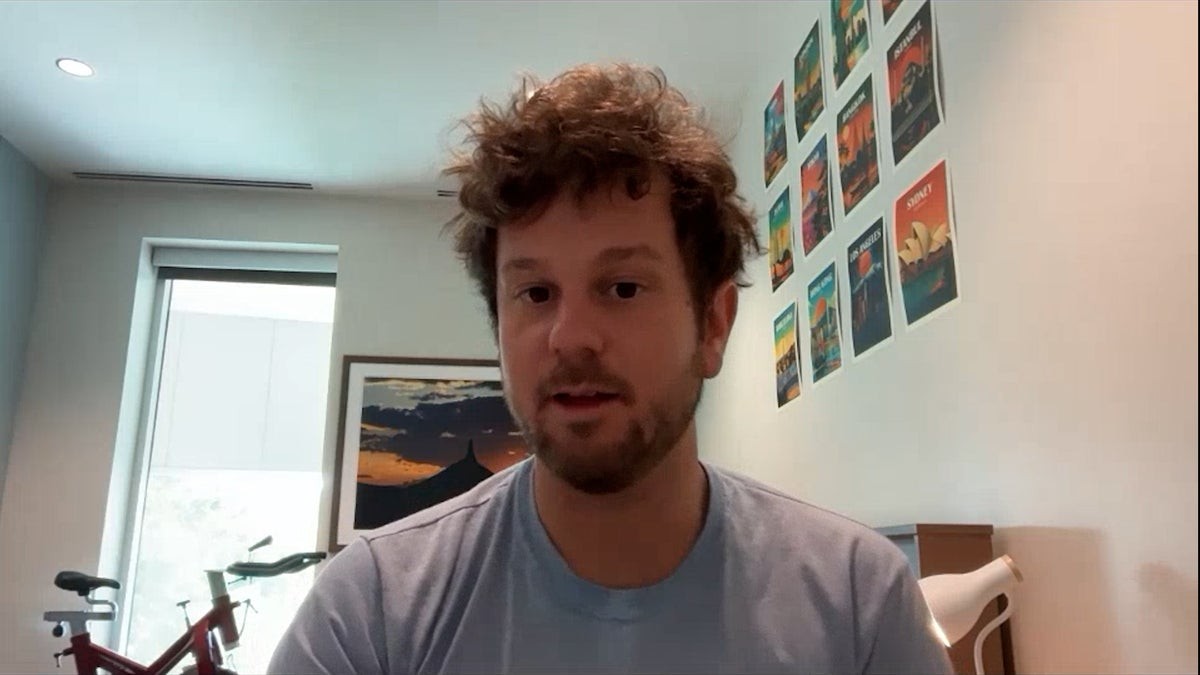
He brought posters. He bought a weighted plushie. Friends sent digital photo frames. Now there are faces smiling at him from the wall. A friend even shipped an espresso machine. Coffee and tea corner established. Morale boosted? Maybe.
Is it voluntary? Sort of.
Technically, no one can leave until the clock runs out or they clear testing. They might allow at-home isolation for some, but Jake isn’t betting on it. Why risk it? If he starts shaking with a fever at 3 AM, he’s miles from a clinic. Here, he’s inches from nurses.
“That first symptom, I can start getting aid immediately. In a basement, I’d be alone with my panic.”
Routine as Survival
What does a day in purgatory look like?
Temperature checks. Morning and evening. Boring, repetitive, essential.
An afternoon town hall. Virtual, of course. No handshakes. Today they discussed bird feeders. Next week might bring tornado drills. Welcome to the Midwest.
He makes an iced latte every morning. Ice trays freeze overnight. A ritual in a void.
Food? Think cafeteria special, but with food trucks rolling up for “fresh” meals. Maybe DoorDash later. Don’t get too excited.
Exercise? There’s a bike. A virtual class tomorrow. Movement matters, even when your destination is your bedroom wall.
Is this like the pandemic lockdown?
No.
During the pandemic, Jake was in New York. In a house. With friends. He could drive. He could open a front door and smell the street.
Now, he is suspended in amber. No balcony. No wind. No exit.
“It is crazy to think I could be in this room for forty-two days and never breathe real air.”
The Open Question
People ask how he keeps sane. He talks to family. Daily calls. There is a psychologist on standby.
The internet isn’t kind to people who travel luxuriously. Hate comments trickle in. He mostly ignores them. Sometimes they stick. Sometimes he sits on his bed and sulk.
He admits it. He can rot in that room. Or he can try to build a life in a shoebox.
Which do you choose?
Food improves. Routines harden. Time becomes viscous, stretching thin.
What is the hardest part? Not the lack of books. Not the bland oatmeal.
It is the absence of touch.
When the forty-two days end, when the negative pressure doors unlock and he steps into a world that moved on without him, there will be a list of things he missed. Music. Parks. Bad takeout.
But first?
He needs a hug.
From his fiancé. From his family. A hug so fierce it makes up for sixty hours of silence.
The wait isn’t over. Not yet. The clock ticks in Omaha. He drinks his coffee. He waits for the fever that hasn’t come.