



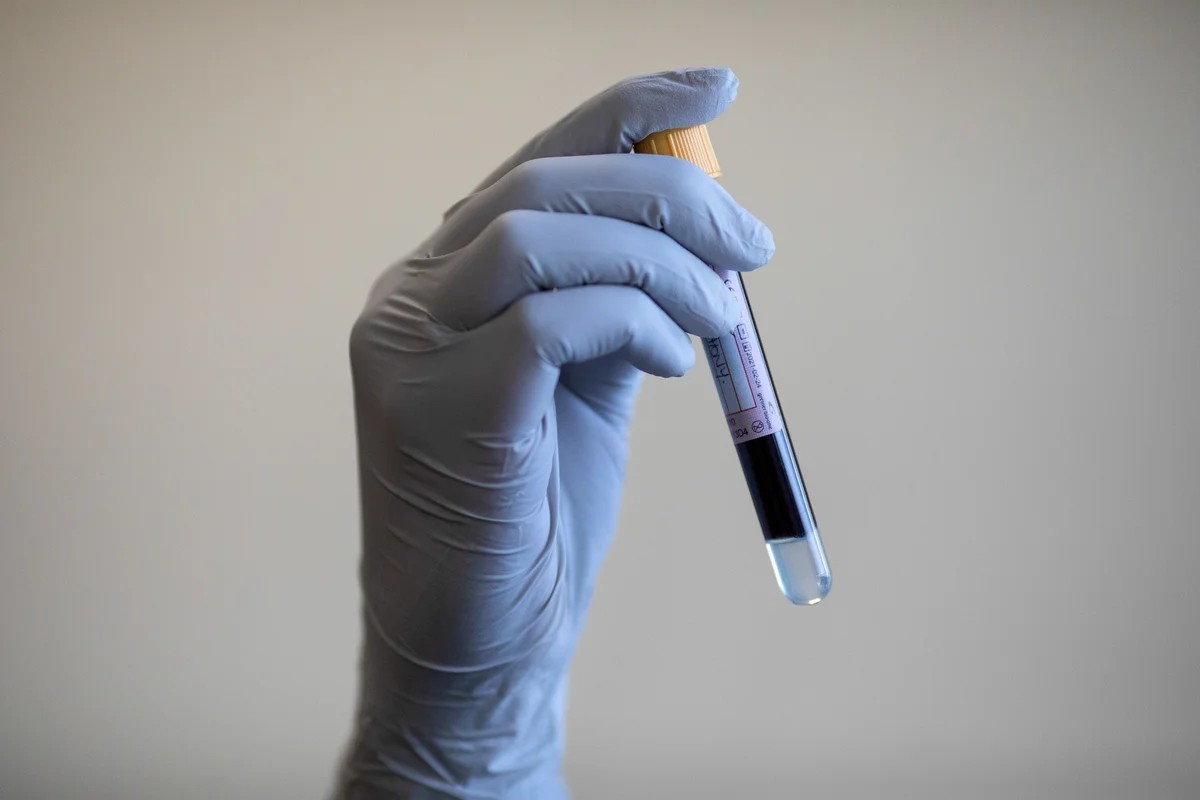
Нове дослідження показує, що аналізи крові, що виявляють білок p-tau217, можуть оцінити, коли хвороба Альцгеймера може почати виявлятися у людей до появи симптомів. Дослідження, опубліковане в Nature Medicine, використовувало зразки крові більш ніж 600 когнітивно здорових дорослих у віці 62-78 років для прогнозування часу появи симптомів з похибкою в 3-4 роки.
Хоча це й багатообіцяюче, експерти застерігають, що ці тести ще не готові до широкого клінічного застосування. Хвороба Альцгеймера – це складне захворювання, на яке впливають генетика, спосіб життя та інші фактори, що ускладнює точні прогнози. Тести поки що недостатньо надійні для прийняття індивідуальних рішень про пацієнтів.
Ключові Висновки:
– Аналізи крові можуть оцінити вік початку хвороби Альцгеймера з певним ступенем точності.
– У людей похилого віку з позитивними результатами тестів симптоми можуть розвинутися раніше, ніж у молодих. Наприклад, позитивний тест у 60 років може передбачити симптоми через 20 років, а у 80 – лише через 10.
– Тести дешевше і простіше традиційних методів (спинномозкові пункції, ПЕТ-сканування), але все ж таки мають обмеження.
В даний час схвалені аналізи крові (Lumipulse та Elecsys) призначені для людей, у яких вже виявляються симптоми. Нове дослідження вивчає прогнозування початку захворювання у людей без симптомів, що вкрай важливо з огляду на те, що хвороба Альцгеймера може розвиватися за десятиліття або більше до того, як когнітивні порушення стануть помітними.
Чому це важливо:
Раннє виявлення стає дедалі важливішим, оскільки нові ліки можуть уповільнити прогресування хвороби, якщо їх застосовувати досить рано. В даний час проводяться клінічні випробування, щоб визначити, чи можуть ці ліки навіть запобігти симптомам у людей з групи ризику.
Проте випробування недосконалі. Інші захворювання (хвороби нирок, ожиріння) можуть спотворити результати, призводячи до хибнопозитивних або хибнонегативних результатів. Похибка у 3-4 роки значна при прийнятті фінансових чи життєвих рішень.
Незважаючи на ці застереження, експерти вважають тести корисними для діагностики та стимулювання профілактичних заходів, таких як фізичні вправи, дієта та когнітивна стимуляція. Необхідна подальша перевірка в різних популяціях, але дослідження є кроком до більш раннього втручання при цьому руйнівному захворюванні.
“Ці аналізи крові, як і раніше, цінні для діагностики та планування лікування”, – каже клінічний нейропсихолог Корі Болтон, наголошуючи на необхідності продовження досліджень та обережної інтерпретації результатів.
Дані дослідження знаходяться у відкритому доступі для незалежного аналізу, що дозволяє дослідникам відтворити та уточнити ці висновки.