



Біологія людини фундаментально прив’язана до Землі. Від густини кісток до роботи серцево-судинної системи — все наше тіло спроектоване для функціонування в умовах постійного гравітаційного тяжіння. Коли астронавти потрапляють до умов мікрогравітації в космосі, їх організми зазнають значних змін, які впливають на рівновагу, зір і навіть на фізичне становище мозку всередині черепа.
Однак нове дослідження, опубліковане в журналі Journal of Neuroscience, виявляє більш глибоку і тонку проблему: людський мозок ніколи по-справжньому не «забуває» земну гравітацію, навіть після місяців, проведених на орбіті.
Ілюзія «тяжкості» в мікрогравітації
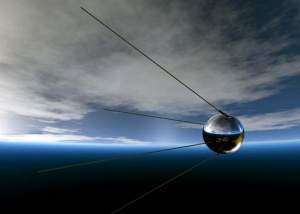
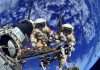
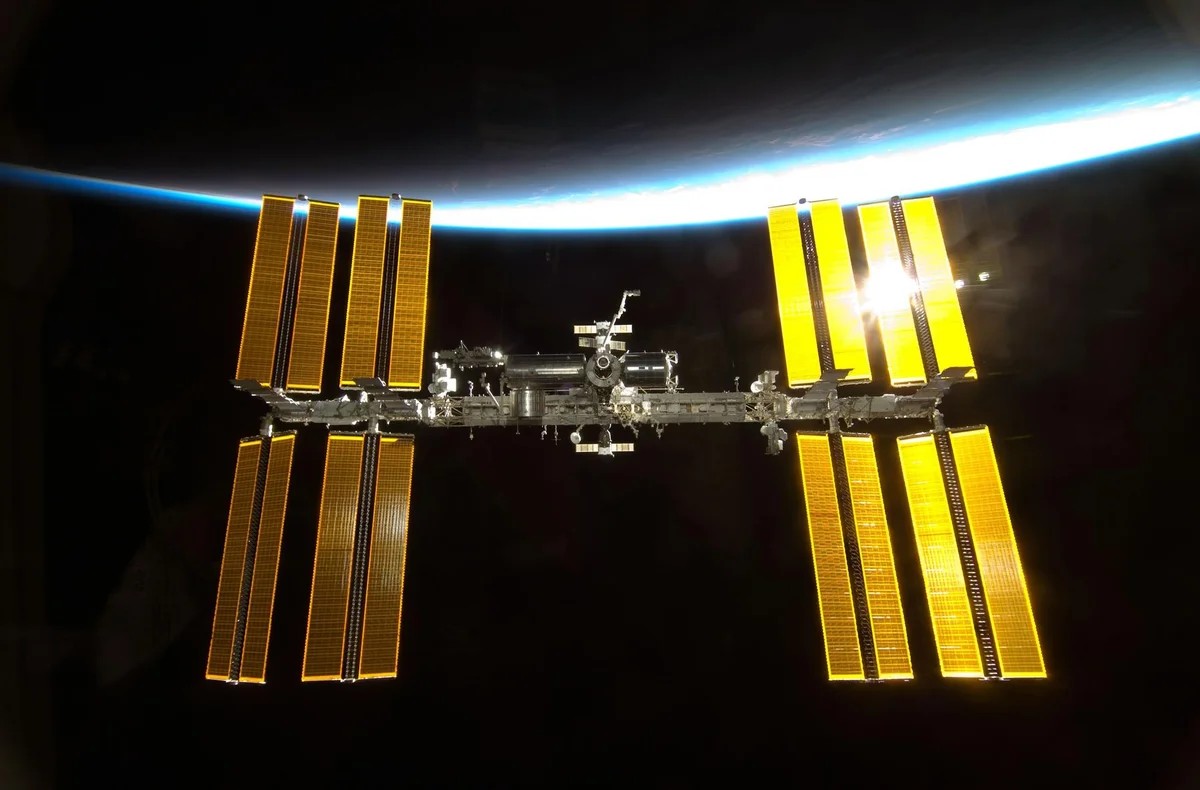
Дослідники провели серію експериментів за участю 11 астронавтів, які провели на борту Міжнародної космічної станції (МКС) щонайменше п’ять місяців. Дослідження було зосереджено на тому, як ці люди маніпулюють предметами, зокрема, вивчалася сила їхнього захоплення та ритмічність рухів.
Результати виявились парадоксальними. Незважаючи на розуміння того, що вони перебувають у невагомості, астронавти демонстрували два характерні типи поведінки:
– Уповільнені рухи: вони рухалися обережніше і повільніше, ніж Землі.
– Надлишковий захоплення: вони стискали предмети набагато міцніше, ніж було необхідно, ніби ті були важчі, ніж насправді.
«Той факт, що ми десятиліттями зазнавали впливу гравітації з раннього дитинства, означає, що ми не можемо забути про неї, навіть через п’ять-шість місяців», — пояснює Філіп Лефевр, професор біомедичної інженерії в Католицькому університеті Лувена та провідний автор дослідження.
По суті, хоча очі астронавтів бачили невагомість, їхній мозок все одно передбачав тяжкий опір, характерний для земної гравітації. Ця «помилка прогнозування» змушує мозок надмірно компенсувати ситуацію, прикладаючи величезний запас міцності, щоб предмети не вислизнули з рук. У космосі це життєво важливий запобіжний захід, адже інструмент, що спливає, може перетворитися на небезпечний снаряд або стати безповоротною втратою.
Швидка реадаптація: світла сторона
Незважаючи на те, що мозок не може повністю «переналаштуватися» на нульову гравітацію, він залишається напрочуд пластичним. У результаті дослідження відслідковувалося, наскільки швидко відновлюються моторні навички після повернення Землю.
Результати показали, що і сила захоплення, і ритмічність рухів повернулися до земних норм всього через один день після посадки. Це говорить про те, що хоча мозок і не адаптується повністю до «нової реальності» космосу, він зберігає високоефективний «земний режим», який можна активувати майже миттєво.
«Багаторічна адаптація до гравітації означає, що ми не можемо повністю пристосуватися до мікрогравітації, але перевага полягає в тому, що при поверненні на Землю ми дуже швидко адаптуємося», — каже Лефевр.
Чому це важливо для майбутнього освоєння космосу
Оскільки космічні агенції готуються до тривалих місій на Місяць і Марс, ці висновки ставлять критичні питання щодо часткової гравітації.
На відміну від майже повної невагомості на МКС, Місяць і Марс мають власне гравітаційне тяжіння (хоча воно значно слабше земного). Це створює складну неврологічну головоломку:
– Чи повернеться мозок астронавта до «земного режиму» на Марсі, сприймаючи знижену гравітацію як повноцінну?
– Якщо мозок надмірно компенсуватиме гравітацію, якої немає, чи може це призвести до незграбності чи помилок у критично важливих ситуаціях?
Розуміння цих сенсомоторних невідповідностей — не просто питання наукової цікавості; це необхідна умова для забезпечення безпеки та ефективності екіпажів, які працюють на нових рубежах людських досліджень.
Висновок: Хоча людський мозок залишається глибоко пов’язаним з гравітаційними патернами Землі, його здатність швидко повертатися до земних норм служить свого роду «страхувальною сіткою» для астронавтів, що повертаються. Проте перехід до часткової гравітації Марса та Місяця залишається серйозною фізіологічною перешкодою для майбутніх далеких космічних місій.