

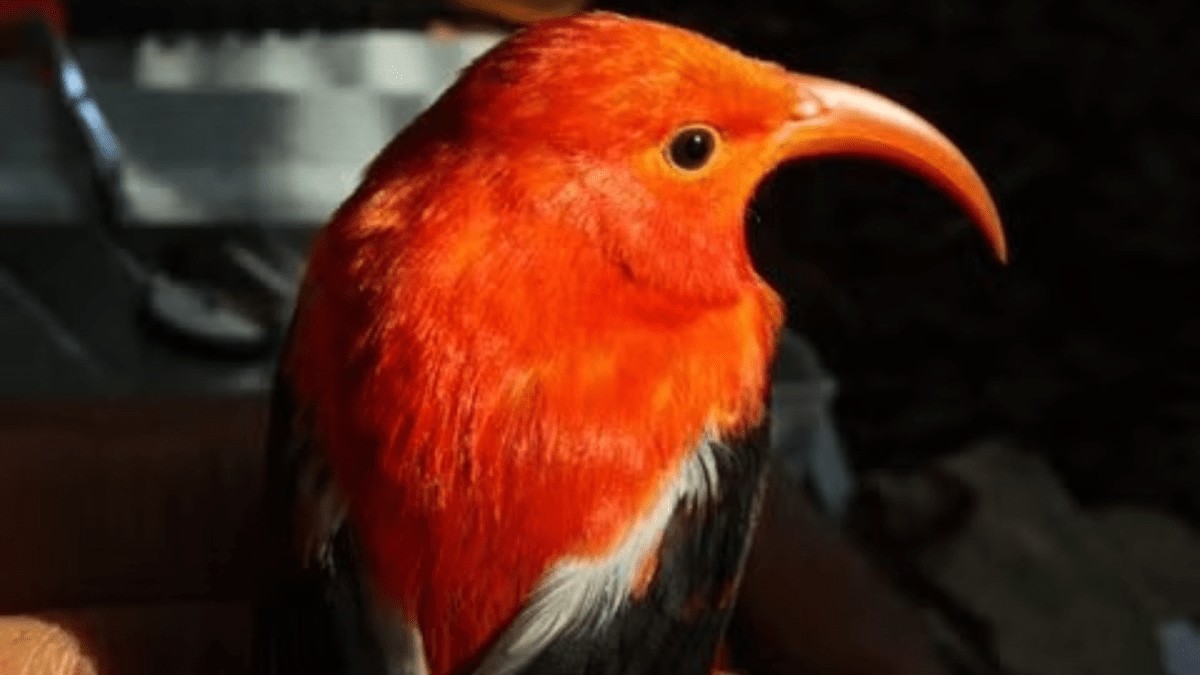
У пишних лісових пологах Гаваїв розгортається тиха боротьба за виживання. Нове дослідження офіційно задокументувало феномен, відомий як “клептопаразитизм” – акт крадіжки ресурсів однією твариною в іншої – серед ендемічних видів птахів островів.
Хоча польові дослідники давно підозрювали наявність такої поведінки, дослідження, нещодавно опубліковане в журналі The American Naturalist, надає перші суворі, кількісно підтверджені докази того, що птахи крадуть гніздовий матеріал один у одного.
Механіка крадіжки
Дослідники з Каліфорнійського університету в Ріверсайді (UCR) спостерігали за більш ніж 200 гніздами, що належать місцевим видам, що мешкають у пологах лісу на Великому острові Гаваї. Дослідження було зосереджено на кількох ключових видах, включаючи апапане, ііі та гавайського амакіхи.
Результати виявили кілька важливих закономірностей того, як і чому відбуваються ці «злочини»:
- Фактор близькості: Більшість крадіжок відбувалося між гніздами, розташованими на схожій висоті. Це підтверджує «гіпотезу перекриття висот», яка передбачає, що птахи крадуть матеріали біля тих гнізд, які вони випадково зустрічають під час пошуку їжі у тому самому ярусі лісу.
- Крадіжки всередині одного виду: Примітно, що крадіжки не обмежуються різними видами. Було помічено, що апапане, один із найбільш численних птахів у цих лісах, часто крала матеріали у собі подібних.
- Високі ризики: Хоча крадіжка гілок та волокон може здатися ефективним способом будівництва гнізда, вона несе в собі серйозні біологічні ризики. Вкрадені матеріали можуть занести паразитів чи хвороби у нове гніздо, а сам акт крадіжки може спровокувати жорстокі сутички між птахами.
Загроза успішному гніздування
Хоча багато крадіжок стосувалися занедбаних гнізд, вплив на активне розмноження викликає серйозне занепокоєння. Дослідження показало, що:
- Втручання в активні гнізда: Приблизно 10% крадіжок відбувалися в гніздах, які зараз будувалися або вже були зайняті яйцями або пташенятами.
- Загибель гнізда: Приблизно у 5% вивчених випадків крадіжка призводила до «невдачі гніздування», коли птахи-батьки або залишали місце, або структурна цілісність гнізда була надто порушена для продовження процесу.
Чому це важливо: широкий екологічний контекст
Щоб зрозуміти, чому така поведінка викликає занепокоєння, необхідно розглянути ширший екологічний тиск, з яким стикається дика природа Гаваїв. Ці ендемічні птахи зараз перебувають у ситуації «здавлювання», викликаної кількома факторами, що сходяться:
- Втрата і фрагментація довкілля: У міру того як ліси фрагментуються, птахи змушені переміщатися на все більш дрібні та перенаселені ділянки.
- Зміна клімату та хвороби: Занесені людиною комари є переносниками пташиної малярії, що змушує місцевих птахів відступати на більш високі та прохолодні височини.
Оскільки ці птахи витісняються в невеликі високогірні «острова» довкілля, конкуренція за ресурси загострюється. Ця скупченість, мабуть, і провокує зростання клептопаразитизму. Коли місця для гніздування та матеріали стають дефіцитними, імпульс до крадіжки перетворюється на стратегію виживання, навіть якщо ця стратегія іноді призводить до загибелі гнізда.
“Подібна поведінка може стати більш поширеною, якщо матеріали для гнізд або безпечні місця для гніздування стануть дефіцитними”, – пояснює провідний автор дослідження Ерін Уілсон Ренкін.
Висновок
Дане дослідження підсвічує прихований рівень стресу в і так тендітній екосистемі. Виявляючи закономірності крадіжок у гніздах, фахівці з охорони природи зможуть краще передбачати, які види та довкілля найбільш уразливі, що дозволить проводити більш цілеспрямовані заходи щодо захисту популяцій місцевих птахів Гаваїв, що скорочуються.