




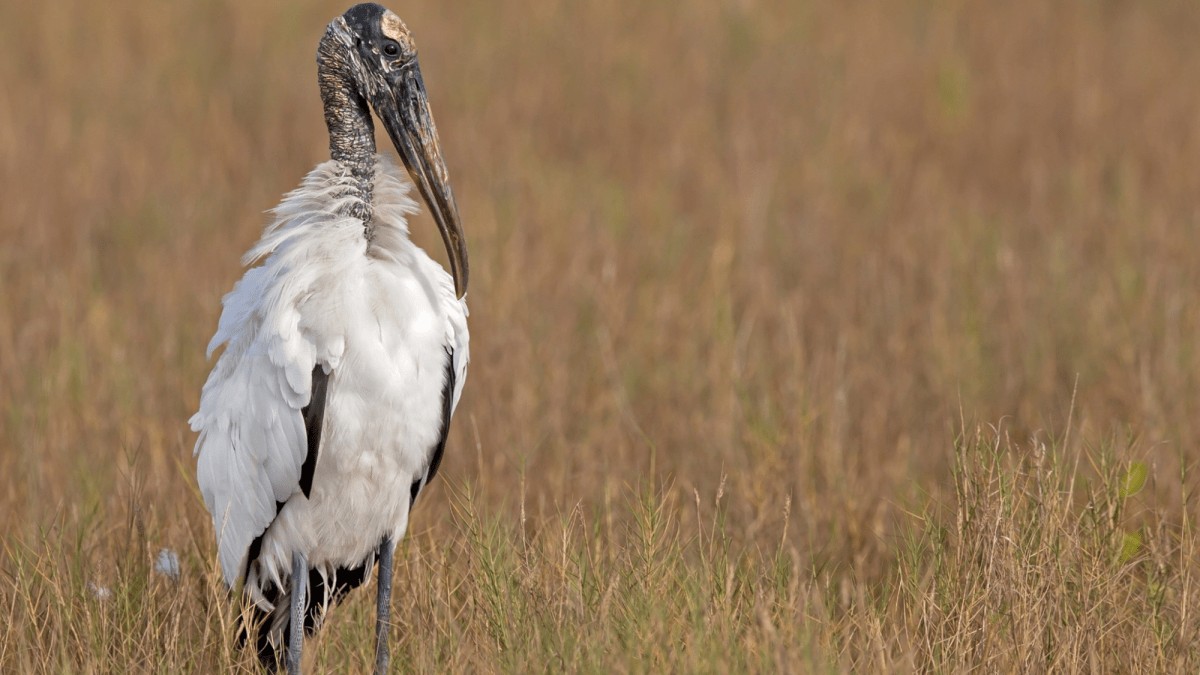
Після більш ніж 40 років природоохоронних зусиль Служба охорони дикої природи та рибних ресурсів США (FWS) виключає випи (Mycteria americana ) з федерального списку зникнень і диких тварин, що зникають. Це рішення відображає значне відновлення чисельності виду, хоч і не без незгоди з боку деяких природоохоронних груп.
Від межі вимирання до відновлення
Вип, великий болотяний птах, що мешкає на південному сході Сполучених Штатів, вперше був внесений до списку зникаючих у 1984 році. На той час популяція, що розмножується, скоротилася більш ніж на 75%, знизившись з приблизно 20 000 пар, що гніздяться, до всього 5000. Основною причиною цього спаду була швидка втрата водно-болотних угідь, необхідних для рибної дієти і місць розмноження випи.
Сьогодні FWS оцінює популяцію випи, що розмножується, в 10 000–14 000 пар, що гніздяться, розкиданих по приблизно 100 колоніальним ділянкам. Вигляд тепер процвітає у прибережних районах Міссісіпі, Алабами, Флориди, Джорджії, Південної Кароліни та Північної Кароліни. Це відновлення є прямим результатом цілеспрямованих природоохоронних зусиль та дивовижної адаптивності птиці.
Адаптація до мінливого ландшафту
Випи продемонстрували стійкість, розширюючи своє довкілля, включаючи прибережні солончаки, затоплені рисові поля, заплавні ліси і навіть штучні середовища, такі як поля для гольфу та відстійники. Як пояснює Дейл Гоулік, біолог-еколог з Університету Техасу A&M:
«Птахи мають гнучкістю для дослідження нових довкілля та вживання в їжу нових видів, що може бути дійсно важливо в період, коли навколишнє середовище швидко змінюється».
Ця адаптивність є ключовою, але не усуває основні загрози.
Збережені проблеми та майбутні виклики
Незважаючи на впевненість FWS, деякі екологічні групи залишаються скептично налаштовані. Організації, такі як Audubon Florida та Центр біологічного розмаїття, стверджують, що популяція випи ще не повністю відновилася, і що передчасне виключення зі списку може надати вигляду новим загрозам, особливо щодо втрати довкілля на приватних землях.
Південний центр екологічного права (SELC) висловив серйозні побоювання, заявивши:
«Це короткозорий та передчасний крок. Випи потребують водно-болотних угідь, щоб вижити, і це місце існування перебуває під величезним тиском».
SELC та інші вказують на продовження втрати водно-болотних угідь, що посилюється наслідками зміни клімату та потенційною відмовою від федерального захисту довкілля, як на значні ризики для довгострокового виживання випи.
FWS зобов’язується проводити 10-річний план моніторингу після виключення зі списку для відстеження подальшого відновлення виду. Офіційний виняток набуде чинності 9 березня 2026 року. Проте дебати підкреслюють критичне питання: навіть за успішного збереження, чи можна вважати види справді у безпеці, коли основні екологічні чинники тиску зберігаються?
Історія випи служить як історією успіху у відновленні зникаючих видів, так і попередженням про проблеми захисту дикої природи в світі, що швидко змінюється.