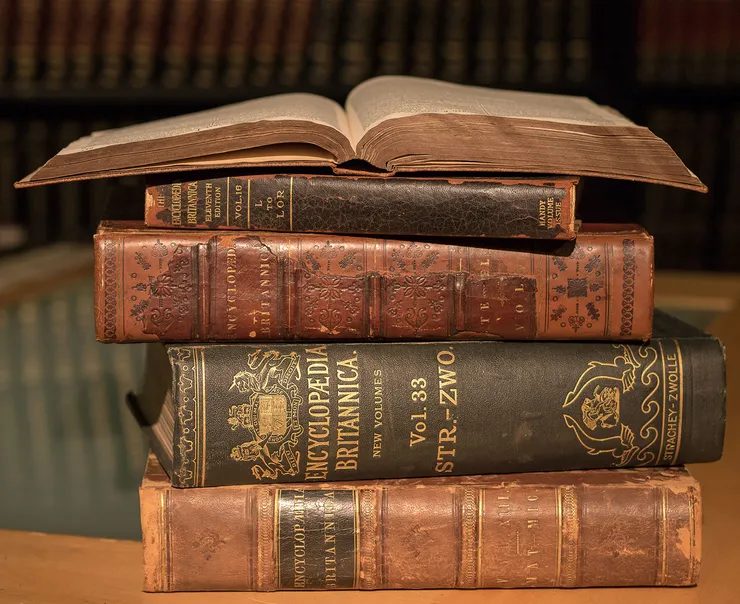
It started in Edinburgh. Three volumes. A gap in the market that would eventually define reference work for centuries. The Encyclopædia Britannica is the oldest English-language general encyclopedia still in existence, though its physical presence has quietly vanished from modern bookshelves. Its first print edition hit the streets between 1768 and 1771. It was modest. It grew. By the 20th century, it had become a global institution.
Why the 11th Edition Matters
Most people who talk about the Britannica today are talking about history. Specifically, they mean the ninth edition (1875–89) and the eleventh (1910–11). The ninth was known as “the scholar’s encyclopaedia.” It was dense. It was authoritative. But the eleventh edition changed the game.
Contributed to by over 1,500 experts with world-class reputations, the 11th edition did something radical for its time. It broke up those massive, wall-to-wall treatises into shorter, more specific articles. This structure made knowledge more accessible. It set the standard for how we organize information today.
How the 15th Edition Changed Structure
Fast forward to 1974. The Encyclopædia Britannica released its 15th edition. This wasn’t just a new cover. It was a structural overhaul. The publishers divided the content into two distinct parts. Major articles on broad topics stood alone. Shorter articles were grouped together. A major revision followed in 1985.
This format lasted until 2012. Then it stopped. The print version was discontinued. The company had already shifted its focus.
When Did Britannica Go Online?
You might think digital encyclopedias started with Wikipedia. They didn’t. The Britannica jumped into the digital pool early. In the early 1990s, compact disc versions appeared. Then came the internet.
In 1994, Britannica debuted the first internet-based encyclopedia. This wasn’t a minor update. It was a strategic pivot. By the early 2000s, the online version had become the primary focus of the entire operation. The print edition became secondary. Then irrelevant. Then obsolete.
Where Are Britannica Editors Based Now?
Ownership has shifted. Many times. One key moment came in 1901. American publishers bought the encyclopaedia. Today, the editorial offices are based in Chicago. From there, they coordinate work with contributors scattered around the globe. The brand remains. The format has changed. The mission to verify facts continues, just without the heavy paperbacks.