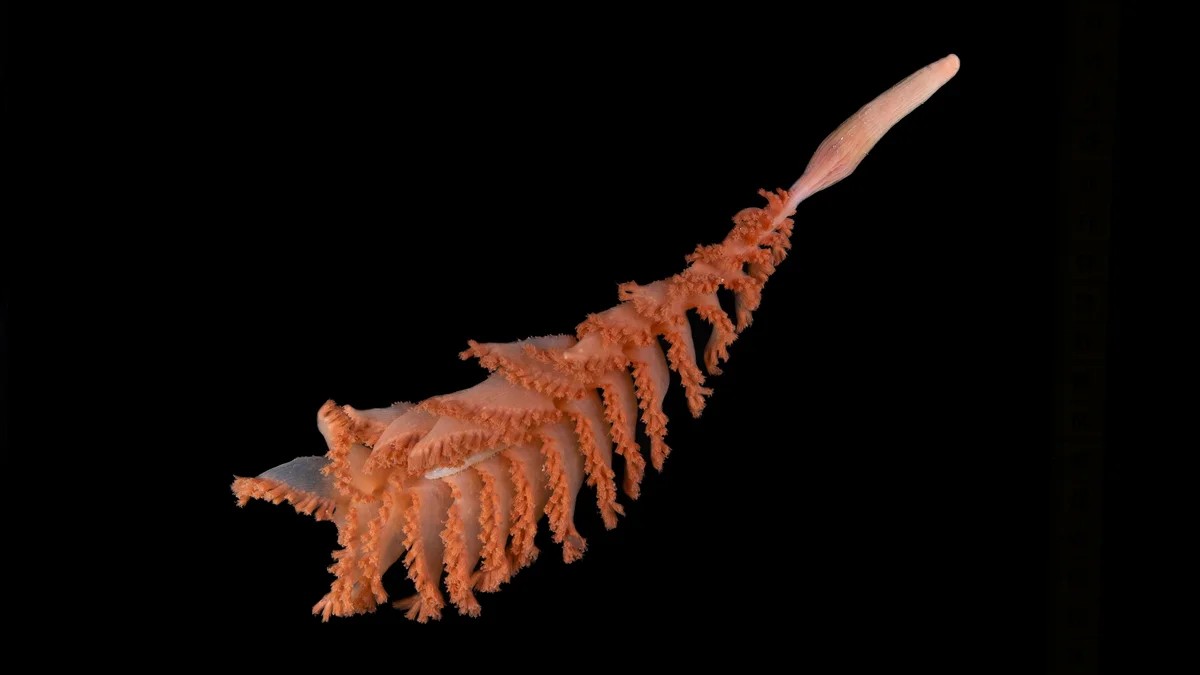
The seafloor is dark. We’ve seen less than 0.001% of it directly. The rest is shadow, silence, and places we haven’t gone yet. Until now. The Ocean Census Alliance just announced a wave of discovery. 1,121 brand-new species. That’s not a typo. They live beneath the waves, hiding in plain sight or buried in boxes.
“Trying to speed that process up is very Important,” Michelle Taylor, the group’s head of science, said. “The information is available for conservation… for taxonomists. Just for knowing what’s out there.”
Speed matters. It usually doesn’t. Science moves at the pace of glue drying. On average, a specimen sits in a collection for over 13 years before anyone gives it a name. Longer for the quiet ones. Sponges can wait even longer. Back in 2011, experts guessed 91% of ocean species were unknown. At the old speed? We’d need centuries to describe the rest. The alliance is breaking that clock. They’ve spent three years rallying taxonomists worldwide. The result? An open-access platform called NOVA, packed with data on creatures from the deep. The number of IDs jumped 54% in the last year.
Consider East Timor. Off its coast, researchers spotted ribbon worms. Striped vividly. They might be toxic. Which is good, because toxins sometimes become cures. Then look to Japan. A human-operated sub went down. Found sponges that look like clear, glassy spikes. Inside? Transparent worms. Polychaetes. They feed the sponges.
They also glow. Taylor loves this part. “Crystalline glass castles of spongets, probably twinkling at each other.” It’s a strange image. Beautiful. But here is the real shock. Where did these finds come from? Not the deep ocean trenches. Not new expeditions.
Most of them were already home. 728 of the 1,122 new species were pulled from museum archives and existing collections. They were identified by people looking closer at what they already held. Identification isn’t easy. You need microscopes. DNA tests. Dissections. Detailed drawings. You have to know the organism deeply to spot the stranger in the mix. It’s hard work. Slow work. But it’s getting faster.
Is magic the right word for it? Maybe not. But Taylor says she’s amazed constantly. “It’s magical.”
We have the data. We have the tools. We have 1,121 more names on the ledger. But 99% of the deep remains a blank page. The sponges are still twinkling in the dark, whether we see them or not. The next one is probably sitting on a shelf somewhere. Waiting for eyes that know how to look.