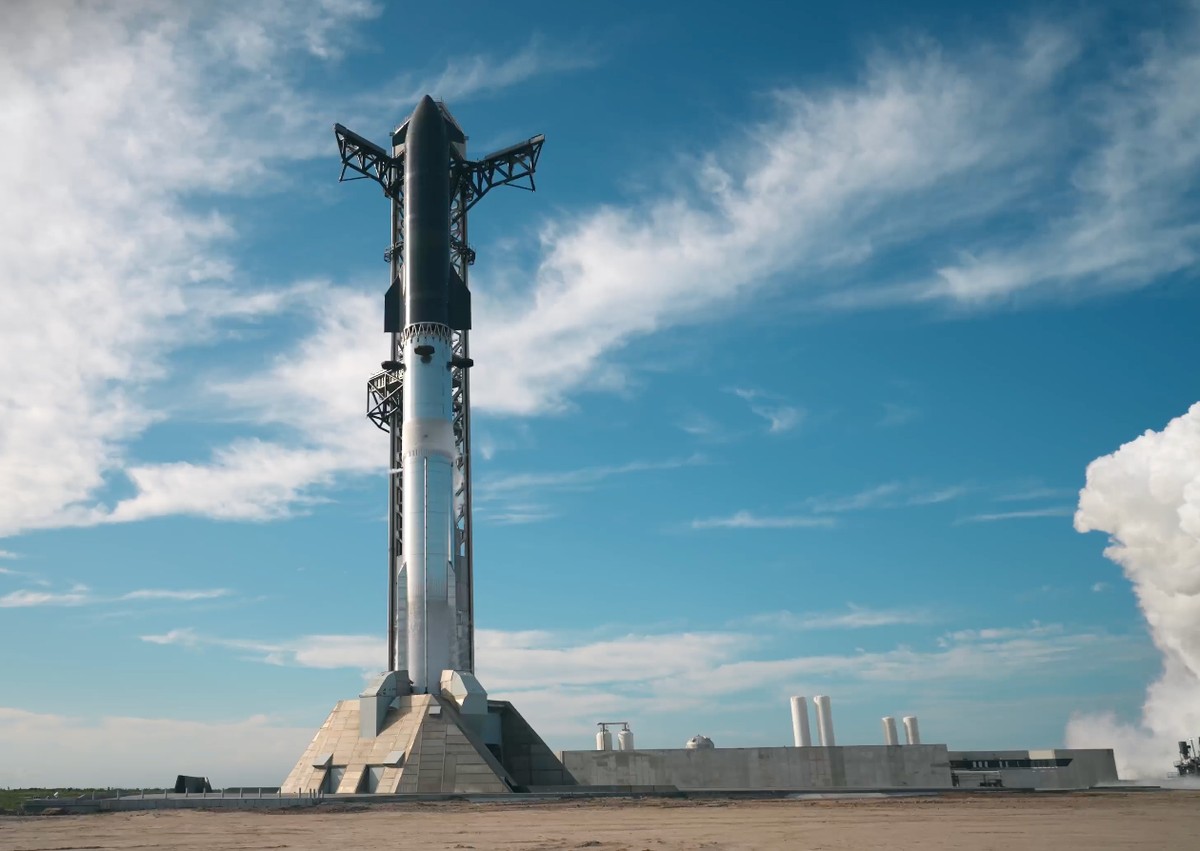
Thursday night. No earlier than 6:45 p.m. EDT. SpaceX is launching its Starship again.
This is test flight 13. The big megarocket is going up for its paces, once more.
Don’t expect it to orbit. That’s not the goal here.
Actually, SpaceX won’t even try to catch the Super Heavy booster with the mechanical arms this time.
Instead? A controlled descent. A splashdown in the Gulf of Mexico after helping the upper stage escape Earth’s grasp. It sounds familiar because it is. Much like the previous attempt.
It’s leaving Starbase. That’s a city in Texas basically built just for this operation.
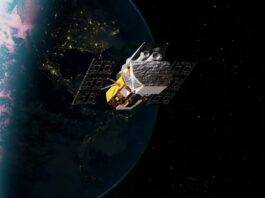
Riding on top are Starlink V3 satellites. The newest batch. Heavy, large, designed to expand Musk’s internet empire even further.
There’s work to do, though.
The company wants to iron out the wrinkles from the last flight. Specifically, issues with the Raptor engines. These provide the thrust, and they’ve had their moments.
If you’re reading this and enjoying it, consider subscribing. You’d be keeping the lights on for reporters who cover stuff like this. It matters.
They’re also testing upgrades to the heat shield.
This piece of tech is huge. Really huge. It’s one of the main reasons Starship could change everything. If the heat shield works, the ship is reusable. Fully reusable.
SpaceX wants to ditch the Falcon 9 eventually. Not tomorrow. Maybe not next year. But someday. They dream of launching multiple Starships a day. Beating everyone else on price. Crushing the competition on cost-to-orbit.
This is the all-in bet. For global dominance. For a new era of flight.
If it works, things get interesting. Very interesting.
The launch window is 90 minutes. Watch on X. Or SpaceX’s site. The stream starts about 30 minutes early.
Once up there? Starlink time.
Twenty satellites deploy. They try to link into the network via lasers. Six of them have cameras. Their only job? Film the heat shield so engineers on the ground can see if it holds up.
Spoiler: none of those twenty satellites will stick around. They’re going to burn up. Reenter the atmosphere. Dust in about twenty minutes.
The whole thing? Just over an hour. Launch to splashdown. Indian Ocean this time for the upper stage.
It’s a monster machine. The world’s largest rocket.
124 meters tall. About 408 feet. It can push 100 metric tons into space.
Forget the money for a second. Think NASA.
NASA wants to use Starship. The Artemis program depends on it getting humans back to the Moon. First time in fifty-plus years. As early as 2028?
Maybe.
But there’s a snag.
A watchdog report from March showed SpaceX is behind schedule. Plain and simple. And NASA knows this. Which is why they’re also funding Blue Origin. A backup plan. Just in case.
Will Starship be ready in time?
Maybe.