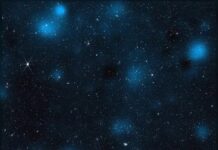




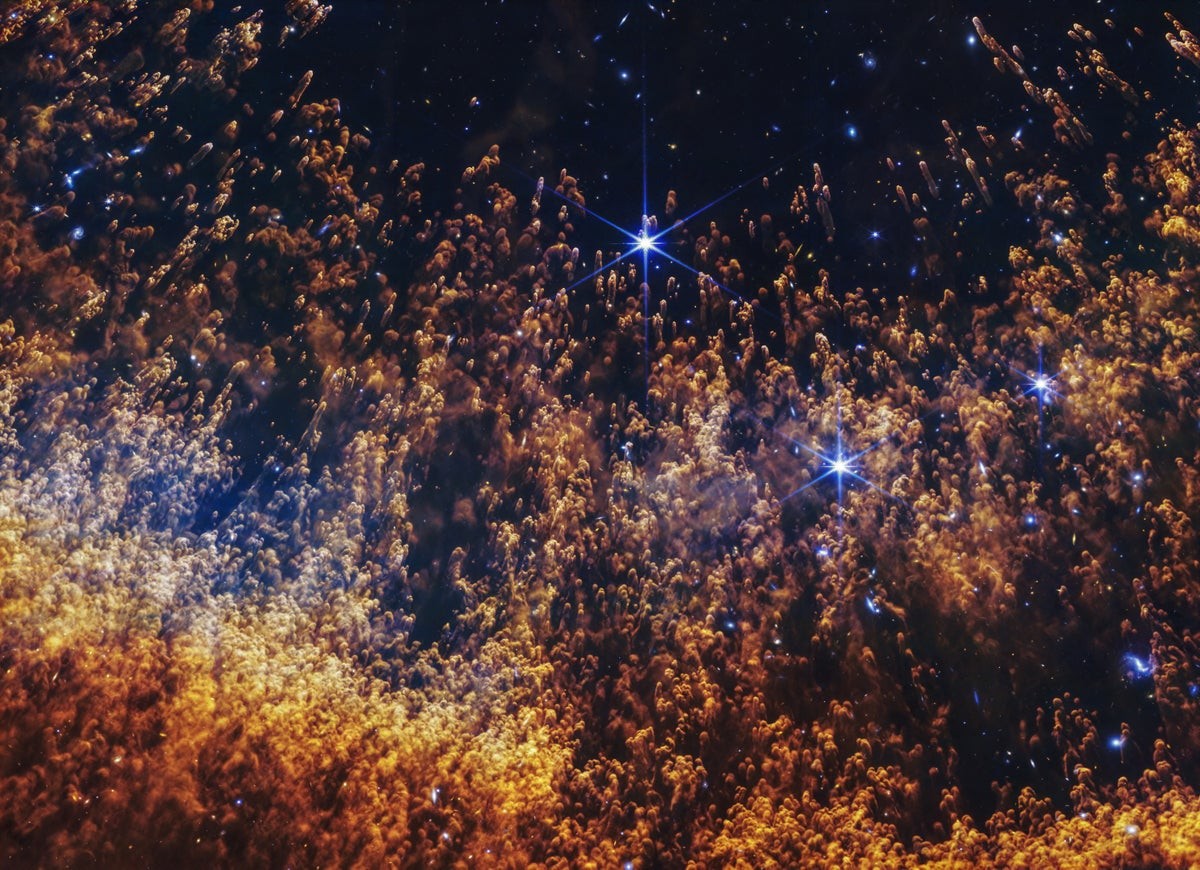
Космічний телескоп Джеймса Вебба (JWST) з безпрецедентною чіткістю зафіксував туманність Спіраль – останній акт вмираючої зірки на відстані 650 світлових років від нас. Ці нові зображення показують не лише знакову форму туманності, відому як «Око Бога», але й складні деталі космічного руйнування та потенційного майбутнього створення в ньому.
«Око Бога», представлене у всій своїй величі
Туманність Спіраль – це планетарна туманність – неправильна назва, оскільки ці утворення не пов’язані з планетами, а є залишками вмираючих зірок, таких як Сонце. Ці зірки викидають шари газу та пилу в останні моменти, які потім залишаються у вигляді сяючих хмар. Спостереження JWST показують різкий контраст між теплим іонізованим газом у ядрі туманності та старішими холоднішими оболонками викинутого пилу, що оточують її.
Камера ближнього інфрачервоного діапазону телескопа усунула туманність, яку можна було побачити на попередніх зображеннях з таких обсерваторій, як Хаббл і Спітцер. Замість цього він показує насичену текстурою сцену зіткнення матеріалів: потоки гарячого газу пронизують пилові оболонки, створюючи кометні структури. Цей рівень деталізації раніше був недосяжним, пропонуючи астрономам більш чітке уявлення про еволюцію туманності.
Від руйнування до творення
Структура туманності Спіраль — це не лише смерть зірки; це також про переродження. Викинутий газ і пил служать сировиною для майбутніх зірок і планет. Зображення JWST показують утворення фрактальних структур усередині туманності, де одного дня можуть утворитися нові світи.
Астрономи були вражені здатністю телескопа ідентифікувати віддалені галактики навіть на детальних портретах туманності. Астрофізик Джессі Крістіансен описувала зображення як «великий план лаванди», поки вона не зрозуміла, що галактики розкидані по кадру. Це підкреслює унікальну здатність JWST знімати як передні, так і задні небесні об’єкти з надзвичайною точністю.
Туманність Спіраль — це динамічне середовище, де руйнування та створення переплітаються. Нові зображення JWST надають безцінну інформацію про цей процес, показуючи, як вмирають зірки роблять внесок у поточний цикл космічної еволюції.
Ці спостереження підкреслюють здатність передових космічних телескопів розкривати приховані складності Всесвіту, демонструючи, що навіть смерть може посіяти насіння нових починань.