



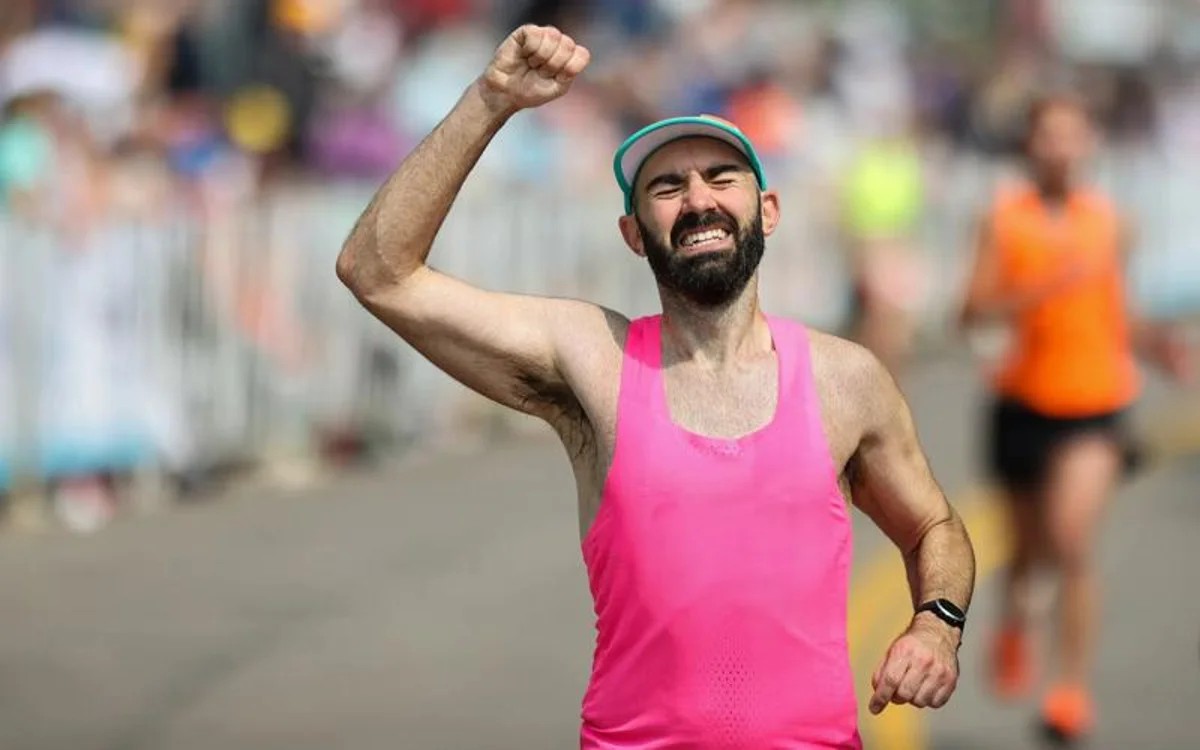
Біг – це боляче. На двадцятій милі біль стає ще сильнішим. У марафоні є певний момент, коли все руйнується. Бігуни називають це “стіною” (hitting the wall) або просто “банком” (bonking). Організм вичерпує запаси глікогену. Ті ж накопичені вуглеводи зникають. Наздоганяє сильна втома. Темп падає. Це неприємно.
Нове дослідження показує, що чоловіки стикаються з цим вдвічі частіше, ніж жінки.
Дані масштабні. В аналізі брали участь вісімсот тисяч бігунів. Йдеться про Берлінський марафон за період із 1995 по 2025 рік. Багато асфальту. Дослідження нещодавно опубліковано у журналі Scientific Reports. Вчені визначили «банк» математично: якщо ви пробігли другу половину дистанції на 20 відсотків повільніше за першу, значить, ви «банкнули». Позитивний спліт. Визнання поганої стратегії.
Результати були протверезними. Чоловіки вдвічі частіше «падали». Не трохи, а саме вдвічі. І що швидше бігли чоловіки, то гірше ставало. Хлопець, який пробіг марафон менш як за три години? Імовірність невдачі в нього вшестеро вище, ніж у жінки зі схожими показниками. Три години – це швидкий результат для кваліфікації у Бостон для чоловіків. Для жінок це не вважається швидким.
Це здивувало дослідників. Альдо Сефін з Бразилії, співавтор статті, очікував, що досвід допоможе. Він думав, що елітні чоловічі бігуни вже навчилися правильно розподіляти сили.
«Я очікував, що досвід та тренування вирівнюють розрив», — сказав Сефін. Але цього не сталося.
Глікоген – це паливо. Коли він закінчується, організм переходить на спалювання жиру. Горіння жиру – процес повільний. Він хаотичний. Потребує кисню та терпіння. Біг потребує швидкості. Ці два процеси погано сумісні. Стабільний темп заощаджує глікоген. Негативний спліт теж допомагає. Це означає, що спочатку потрібно бігти повільніше, а потім швидше. Чоловіки так рідко роблять. Вони вилітають із воріт на старті з усієї сили.
Помилка у розподілі темпу — це помилка новачка.
Але річ не тільки в темпі. Роль грає біологія. Жінки спалюють жир ефективніше. У них нижчий дихальний коефіцієнт. Простий переклад: жінки більш ефективно використовують жир як енергію при рівномірних навантаженнях.
Є ще м’язові волокна. У жінок більше волокон першого типу. Повільні. Створені для витривалості. Стійкі до втоми. Естрадіол допомагає. Цей гормон зберігає вуглеводи. У цьому конкретному контексті він керує енергією краще ніж тестостерон. Можливо. Ми поки що не знаємо достатньо.
Історичні дані були за чоловіків. Фізична фізіологія вправ будувалася на чоловіків. Фізіологія жінок була другорядною. У нас є припущення. Нам потрібні факти. Розрив у результатах скорочується в ультрамарафонах. Довші дистанції. Менше за вибухову силу. Більше витривалості. Жінки наздоганяють.
Чому чоловіки «банкують»? Це суміш зарозумілості та біології. Або, можливо, просто біологія, що ховається під маскою поганого розподілу темпу. Хтозна. Набір даних був величезним, але розуміння залишається поверховим.
Потрібні подальші дослідження. Особливо щодо жінок. Ми можемо перестати вважати чоловічі патерни нормою за умовчанням.
Найкраща характеристика жіночої фізіології дозволить перейти від питання «як» до питання «чому».
Стіна, як і раніше, стоїть там. Вона чекає на 20-й милі. Або, можливо, на 21-й. Це залежить від вашої стратегії. Це залежить від вашого тіла. Дані не видаляють біль. Вони лише пояснюють спад сил.
Хтось проігнорує ці дані. Хтось продовжить вилітати на старті з усіх ніг. Це їхній вибір. Асфальт не дбає про гендерні відмінності. Йому важлива лише швидкість.
Ви натикаєтесь на стіну, коли вирішуєте, що ваша енергія безмежна.
Спойлер. Вона такою не є.