A Wrist Mystery
We want to know how our distant kin walked.
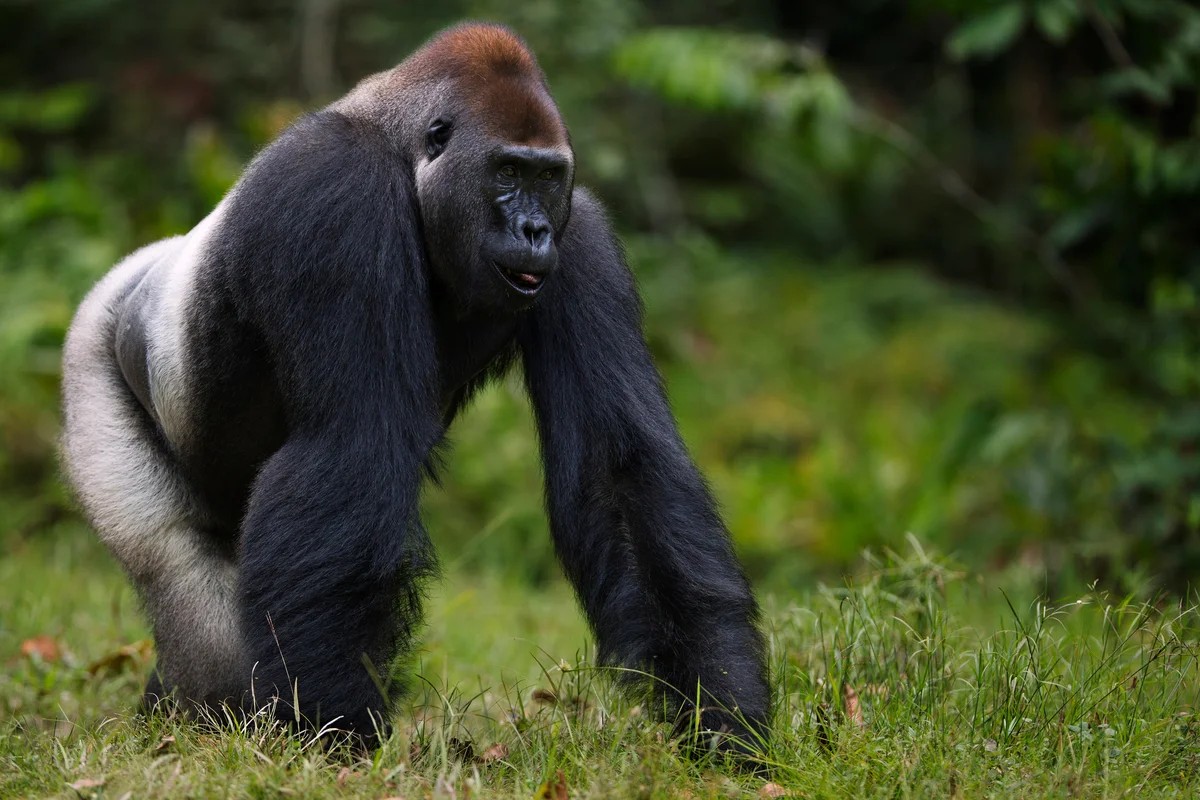
Did the last ancestor shared by humans and apes knuckle-walk like a chimp? Or was the hand flat against the ground? The debate rages, mostly because we lack a direct fossil record of that specific split, estimated to have occurred somewhere between eight and six million years ago.
When the family tree forked, one branch became us (hominins like Neanderthals and modern humans). The other became the African apes. No bodies in the ground from that exact moment exist. Yet.
So scientists look at what remains. They compare living primates—gorillas, orangutans, chimpanzees—with over 50 fossils of extinct human cousins.
Bones Don’t Lie
The results appeared in Proceedings of the Royal Society B.
Researchers Laura Hunter and colleagues scanned these bones. They found shared wrist traits in both humans and African apes. These traits include a specific reorganization of the thumb-side bones.
“Based on existing biomechanical research,” says Hunter, a former Ph.D. student at UChicago, “these could have been advantageous for knucle walking.”
Tracy Kivell of the Max Planck Institute calls the analysis excellent. Previous work looked at isolated bones; this looked at the whole wrist architecture.
Why Keep the Tool?
Here is the twist.
If our ancestors stopped knuckle-walking millions of years ago to walk upright, why do human wrists retain these features?
Hunter suggests exaptation.
The trait didn’t stay because we needed to hit the dirt with our fists. It stayed because that same wrist structure was handy for manipulating objects. Building tools.
A biological accident turned useful.
The Unknown Remains
We don’t have the final say.
Kivell notes a limitation. The study looks only at wrists. What about the legs? The spine? Maybe those similarities aren’t about walking at all, but climbing. Or maybe they are just echoes of shared biology, devoid of behavioral meaning.
Hunter is careful with her title. It asks a question rather than declaring truth.
“Did Modern Human Carpal Morphology Evolutionarily Follow Knuckle-Walking Traits?”
We may never know. Fossils preserve bone, not behavior.
If only we had a time machine.
We might finally see them move. Until then, the wrist bones remain stubbornly ambiguous.