It’s been seven months. Long enough.
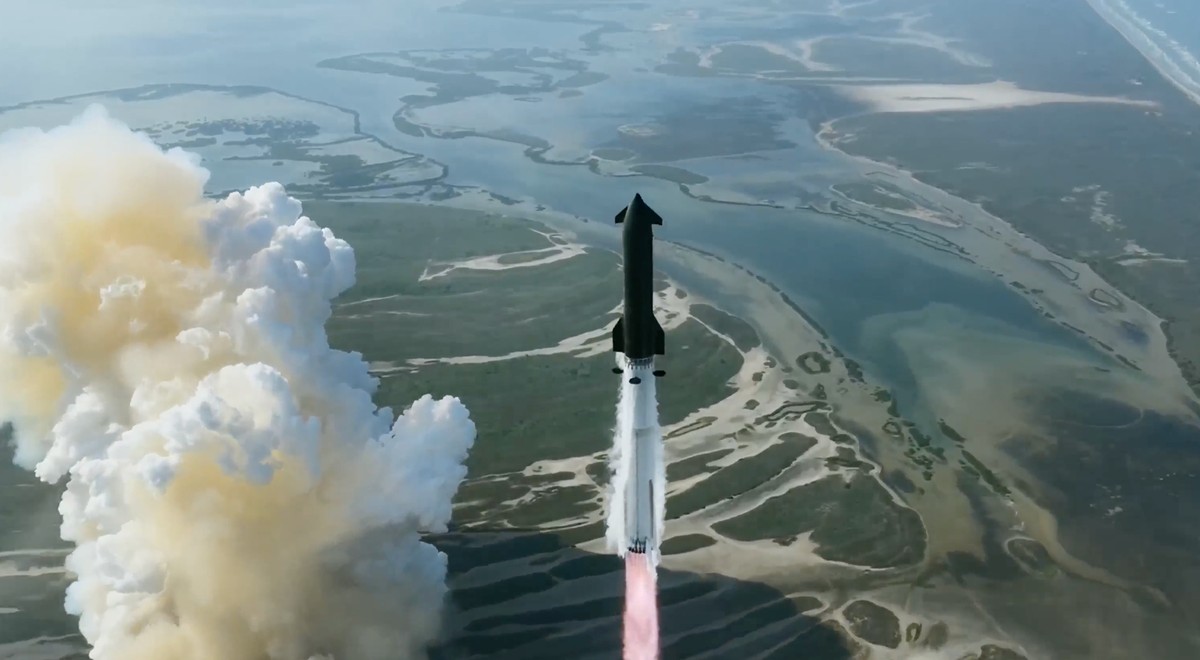
On Friday evening, right around 6:30 PM EDT, SpaceX finally moved the needle. This was the debut of Starship Version 3, or V3. The twelfth test of the entire program, sure, but also the biggest thing humans have ever lifted into the sky.
Think about the scale for a second. The rocket stands 408 feet tall. It generates 18 million pounds of force. That’s not just powerful; it’s monstrous.
They built it to be fully reusable, theoretically. Not for this flight though. Neither the booster nor the ship came home this time. They left everything up there.
The start was… messy, sort of. One of the thirty-three engines on the Super Heavy booster failed to ignite. Bad. But the thing didn’t care. It kept climbing.
Separation happened. The booster dropped, plunging toward the Gulf of Mexico in a splashdown exactly where they planned it to hit. Textbook.
The ship? It had issues too. One of its six engines died during the climb. SpaceX admitted that problem might shrink the scope of the whole mission. Who cares? The team on the ground was screaming with joy. Cheers erupted in the hangar.
The Payload Game
What did it actually do out there?
The plan was simple. Launch. Separate. Splash down in the Indian Ocean. Check. Check.
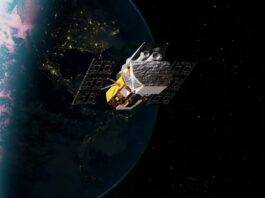
After shedding the booster, Starship dropped twenty dummy Starlink satellites. Just fakes. Practice dummies at roughly 195 km up. Then it launched two real ones. These weren’t for internet. They were cameras, designed to scan the ship’s heat shield while it burned up through the atmosphere.
This image shows a view of Star Ship in space, as seen by the very satellite that helped monitor it.
Reentry started forty-seven minutes after liftoff. The ship did the flip maneuver, the part that always makes physics buffs hold their breath. The landing hit its target.
NASA is Nervous (and Hopeful)
Jared Isaacman, head of NASA, said some nice things before the launch. He’s eyeing 2027 for Artemis III, the mission where they actually go back to the Moon. Or at least, that’s the schedule.
“We’re looking forward to meeting you all in low Earth orbit,” Isaacman said. He’s talking about docking the Orion capsule with Starship. Maybe both Starship and Blue Moon. The stakes are incredibly high.
NASA needs Starship to work. Specifically, they need it to ferry astronauts from orbit down to the lunar surface by 2028 if all goes according to plan.
But it’s not all sunshine and rockets. The Inspectors General are watching closely. They’ve warned that SpaceX might miss the deadline. The early tests blew up—literally. There are explosions involved. It’s behind schedule.
So why is this demo such a win for Musk’s company?
Simple. It goes public next month, likely.
Investors like working prototypes. They like seeing a vehicle that can haul 100 metric tons to orbit in one go. Reusable, heavy-lift capacity. It’s the holy grail for expanding Starlink, or for that ambitious plan of building AI data centers in the void above us.
For now, it’s a feather in the cap. The engine still broke. The mission scope shrank. The Moon landing is still months or years away, delayed by its own momentum.
But the noise in the hangar says enough.
Will it actually be ready when NASA says? That’s the real question.
We’ll see. The ocean took the rocket back, at least partially.